


Top Picks
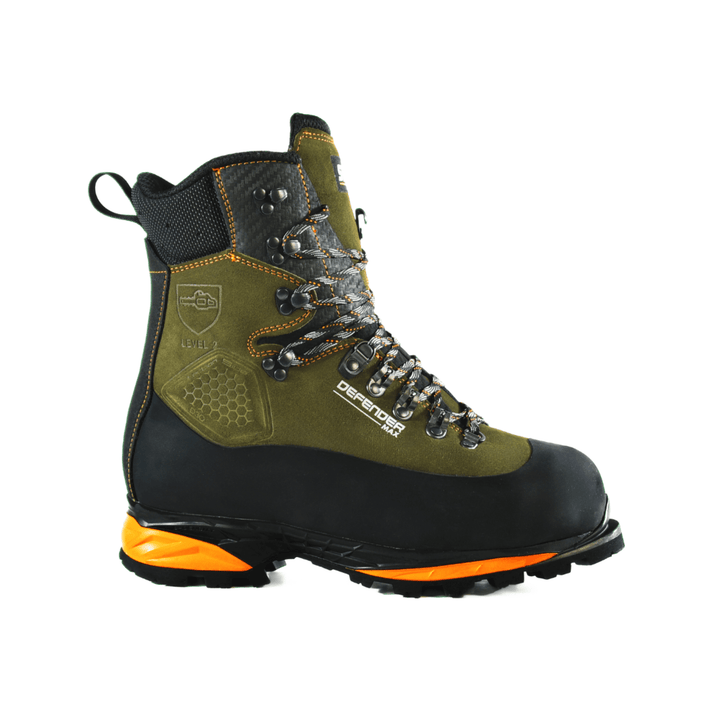
DEFENDER MAX V2 Chainsaw Boots Class 2
$347.00
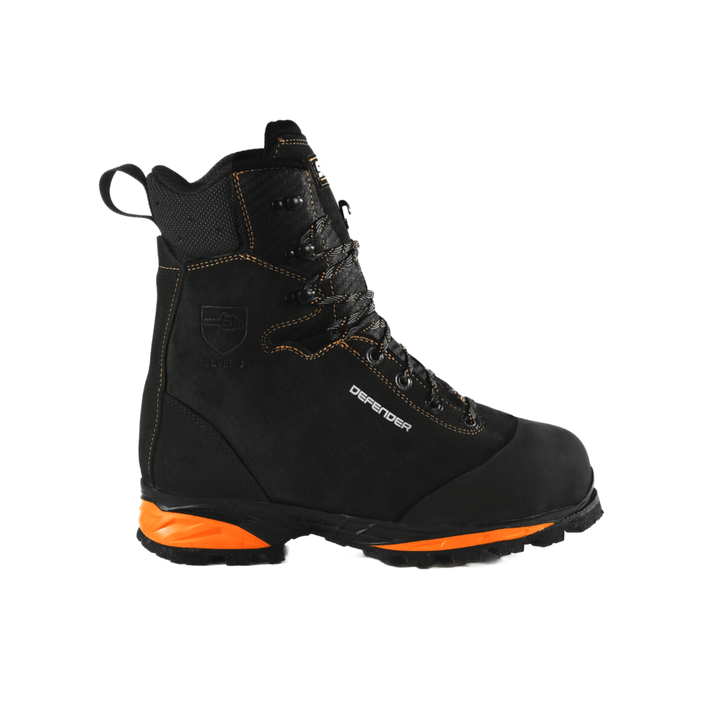
DEFENDER V2 Chainsaw Boots Class 2
$297.00
 15% OFF
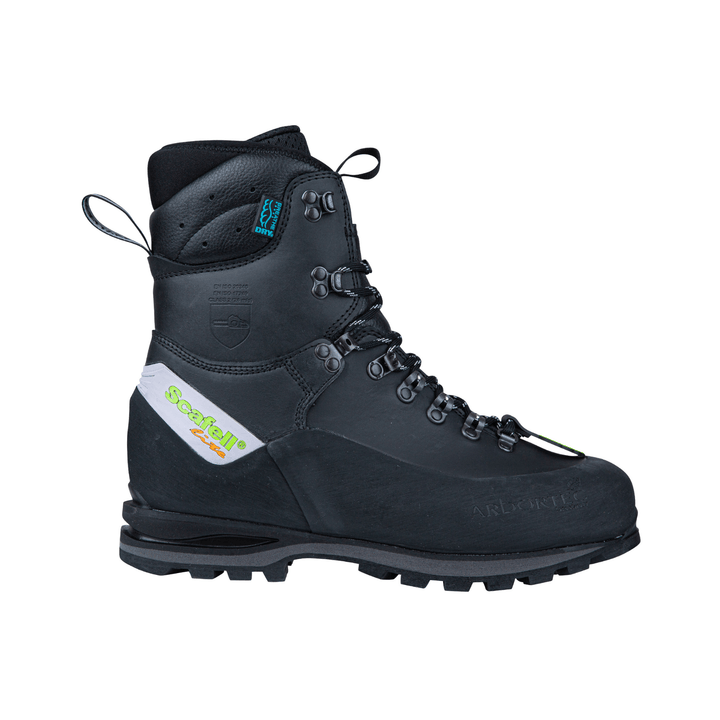
Scafell Lite Chainsaw Boots Class 2
$325.00
$383.00
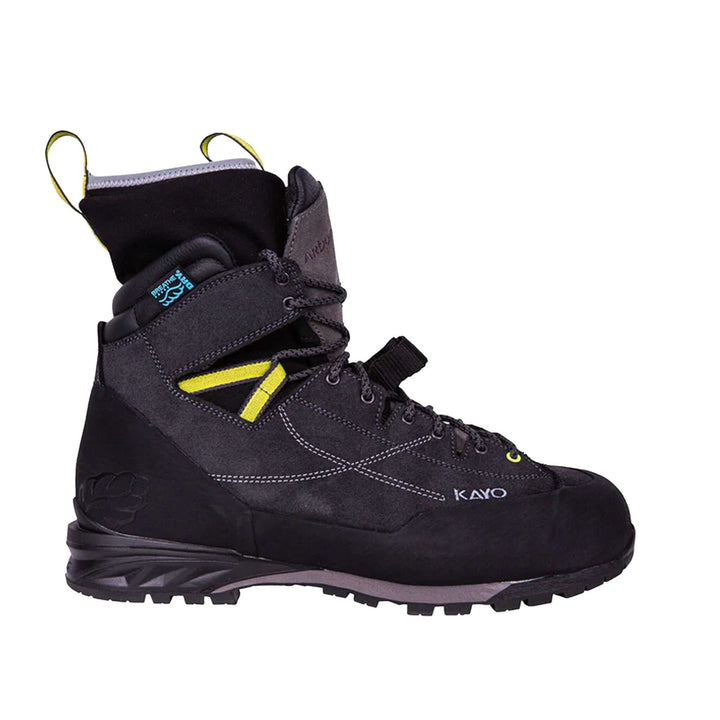
Kayo Chainsaw Boots Class 2
$379.00
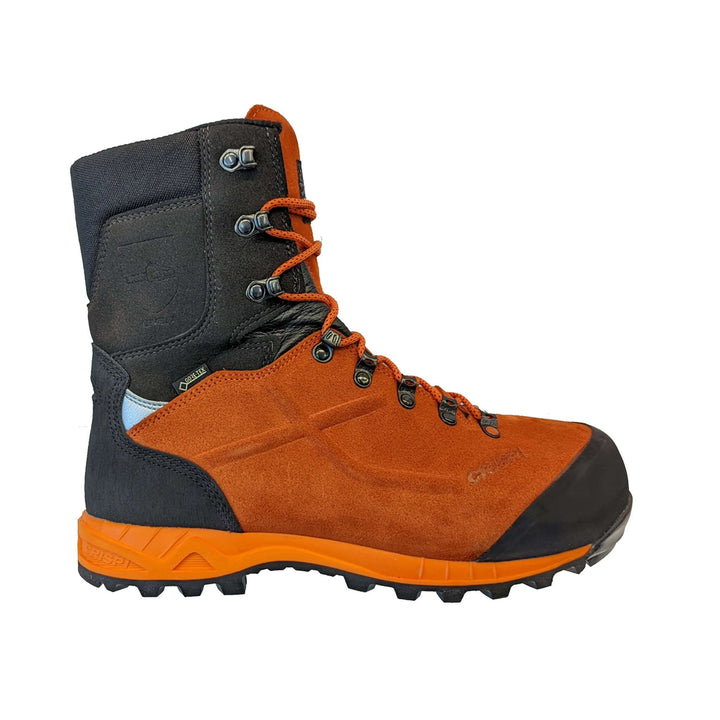
Forst GTX KL2 Chainsaw Boots Class 2
$387.00
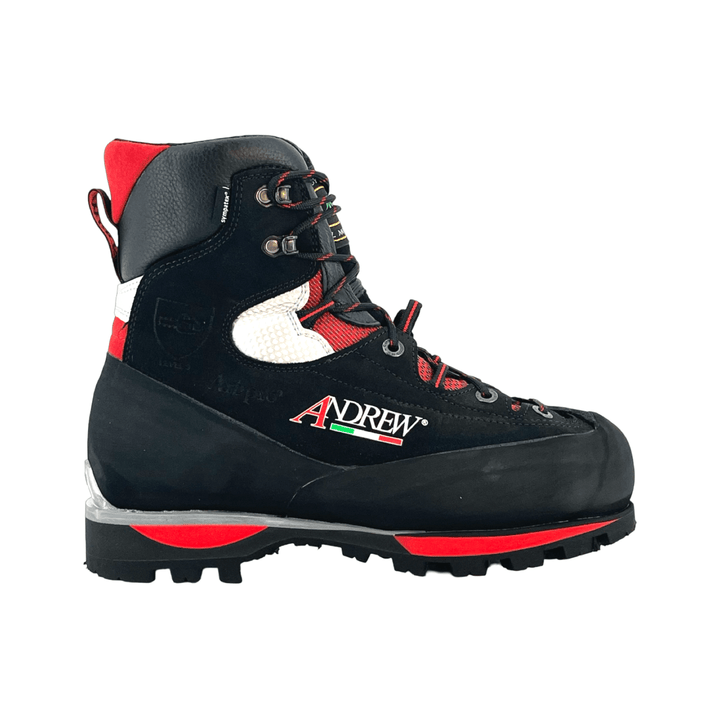
Andrew Cervino Wood S3 Black Chainsaw Boots Class 3
$351.00
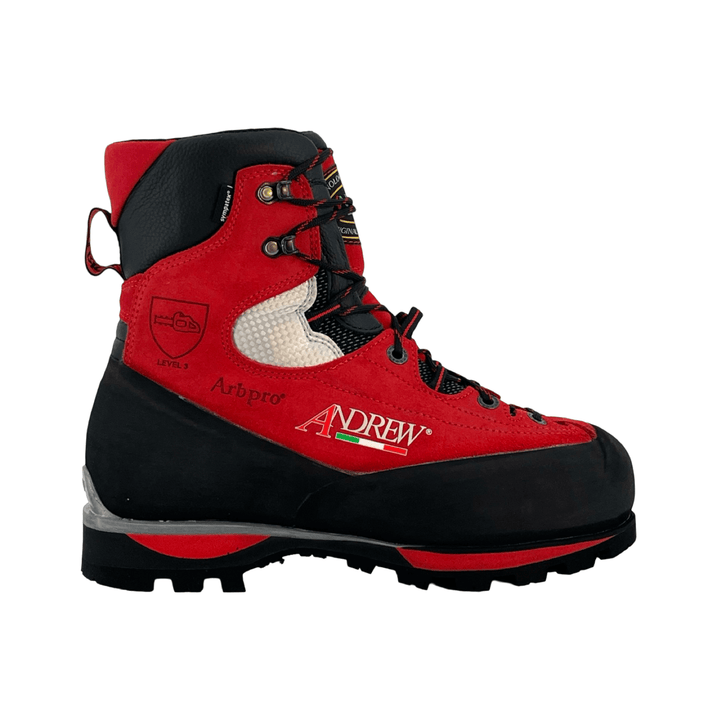
Cervino Wood Red Chainsaw Boots Class 3
$337.00
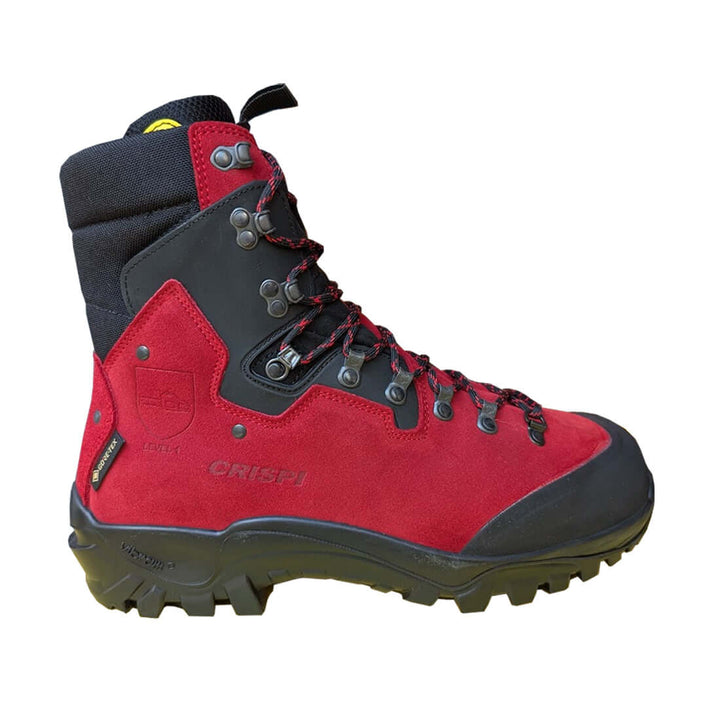
Zermatt GTX Chainsaw Boots Class 1
$408.00
Buyer's Guide
Chainsaw Boots Buyer's Guide
A chainsaw boot has to stop a moving chain and survive a full working day without leaving your feet wet or exhausted — certification is the baseline, but comfort is what separates the boots that actually get worn all day. This guide covers class ratings, leather vs fabric construction, and fit across brands.
Two Jobs at Once: Cut Protection and All-Day Wear
A chainsaw boot has to stop a moving chain and survive a full day of climbing, ground work and rough terrain without leaving your feet wet, blistered or exhausted. Every boot here is certified to EN ISO 17249, but certification is the baseline, not the deciding factor — the difference between boots that pass the same test is how they feel after eight hours on your feet.
Class 1, 2 & 3: Matching Chain Speed
Class 1 covers chain speeds up to 20 m/s, Class 2 up to 24 m/s, and Class 3 up to 28 m/s — the same logic as trouser class ratings. Most professional saws call for Class 2 as standard; Class 1 suits lighter domestic use, and Class 3 is for the fastest professional saws. Check what you're actually running before assuming you need the highest class available.
Leather vs Fabric Construction
Leather boots (Yukon, several Haix models) are durable, mould to the foot over time and handle abrasion well, but take longer to break in and dry more slowly if they get wet through. Fabric and Gore-Tex boots (Crispi Forst GTX, Pfanner Zermatt GTX) are lighter and often more breathable from day one, at some cost to long-term durability against rough terrain. Choose leather for longevity in tough conditions, fabric/GTX for comfort and quicker break-in.
Waterproofing & Breathability
A Gore-Tex lining keeps water out while still letting sweat vapour escape, which matters more over a full working day than most people expect — a boot that keeps rain out but traps sweat leaves feet just as wet by the end of the day. Check for a genuine waterproof membrane rather than just a water-resistant treated leather if you're regularly working in wet conditions.
Climbing vs Ground-Based Use
Boots used for climbing need good ankle flexibility and a sole that grips spikes or a rope system securely, while purely ground-based work can prioritise stiffer ankle support and heavier-duty soles for rough terrain. Some models (Scafell Lite, Kayo) are built lighter specifically with climbing flexibility in mind — check whether a boot is marketed as climbing-friendly before assuming a heavier ground-focused boot will work the same way up a tree.
Sizing & Fit Across Brands
Sizing runs differently between Arbortec, Pfanner, Crispi and Haix, and a size that fits perfectly in one brand can be noticeably different in another. Where possible, try a pair on before committing, especially for a first purchase from a brand you haven't worn before — an ill-fitting chainsaw boot is more likely to cause blisters and fatigue than almost any other piece of PPE.
Care & Extending Boot Life
Chainsaw boots are a significant investment, and proper care extends their working life considerably — clean off mud and debris after each use, let them dry naturally away from direct heat, and treat leather regularly to stop it drying out and cracking. Our Boot & Clothing Aftercare range covers the specific products for keeping leather and fabric boots in good condition through a working season.