


Top Picks




Buyer's Guide
First Aid & Safety Kits Buyer's Guide
A standard workplace first aid kit isn't built for a serious chainsaw injury — that needs bleed control, not a plaster. This guide covers the difference between personal packs and team kits, how tourniquets and haemostatic gauze work, and sizing a kit to your crew.
Why Standard Workplace Kits Fall Short
A generic workplace first aid kit is built around minor cuts, splinters and bumps — plasters, antiseptic wipes, a bandage or two. A chainsaw injury is a different category of risk entirely: a serious laceration can lose dangerous amounts of blood within minutes, faster than a standard kit's contents are designed to handle. Chainsaw and forestry work needs bleed control equipment specifically, not just a bigger version of an office first aid box.
Personal Packs vs Team Kits
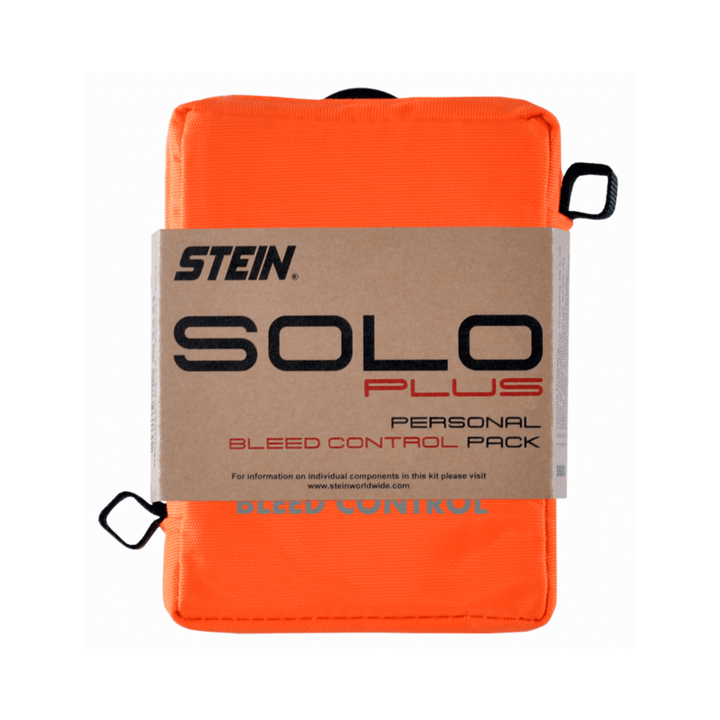
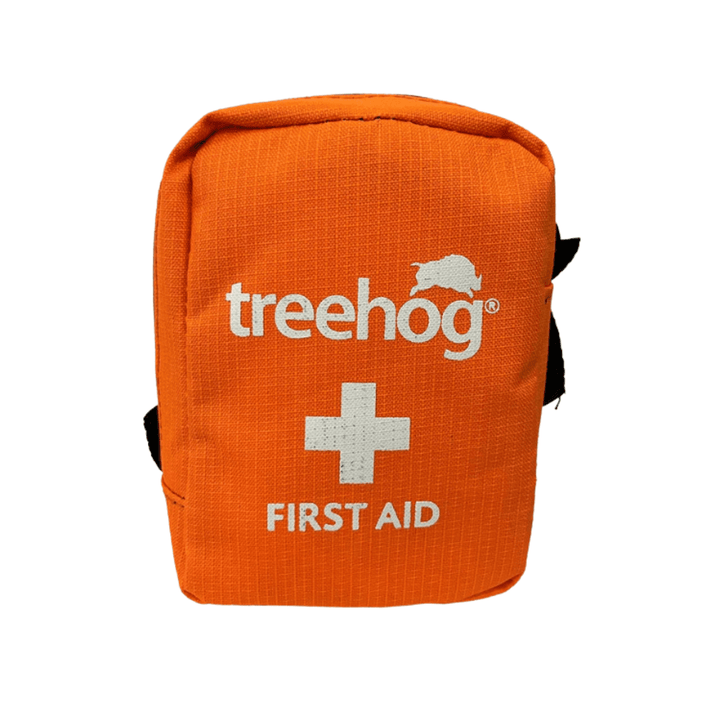
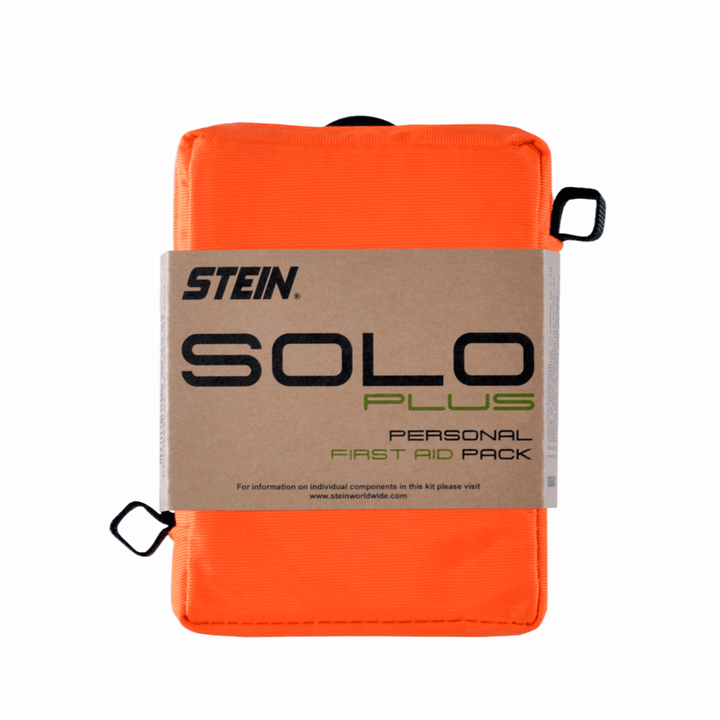
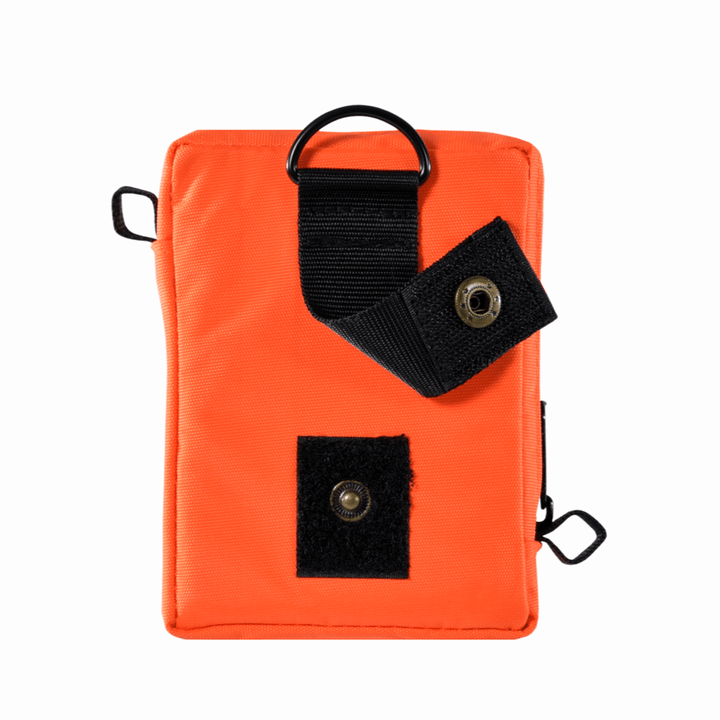
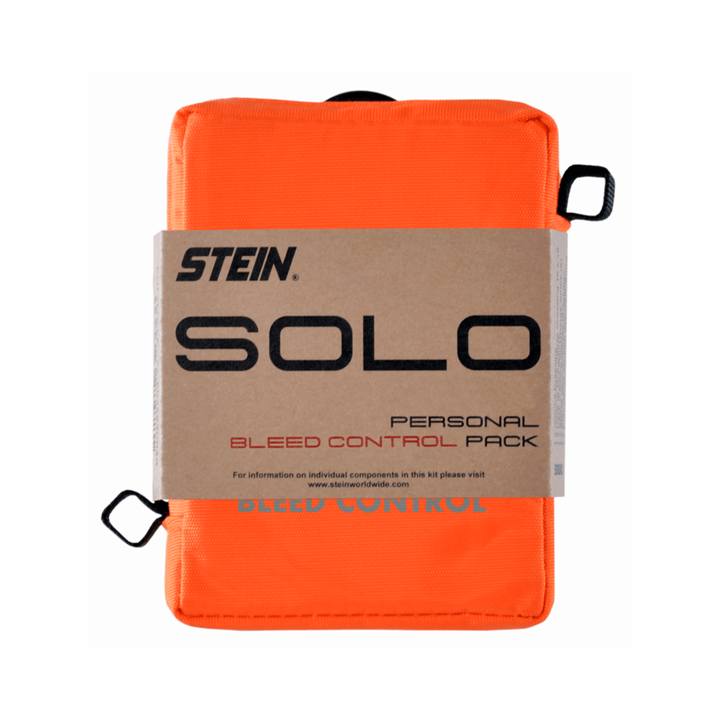
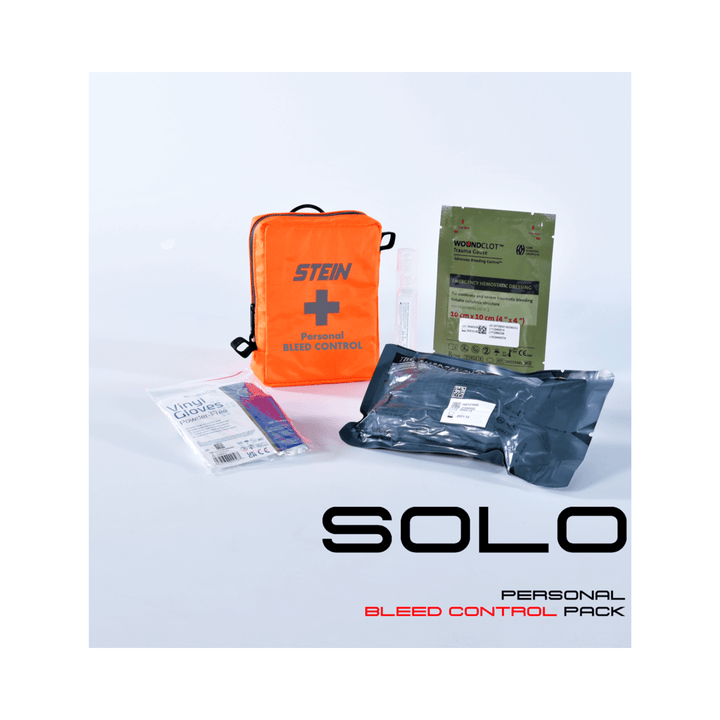
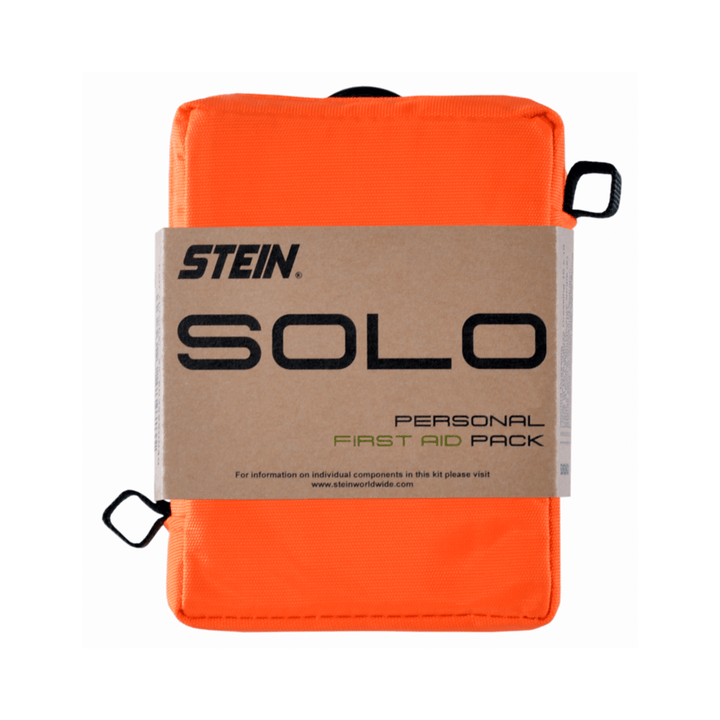
A personal pack (SOLO, Harkie Personal, Treehog) is compact enough to actually wear on a harness or belt, giving the injured person or the nearest colleague immediate access without running back to a vehicle. A larger workplace or team kit stays at a fixed point — vehicle or site base — covering a wider range of injuries but with a response time built around getting to it, not carrying it. Most working crews need both: personal packs on every climber, a larger kit at ground level.
Bleed Control: Tourniquets, Gauze & Granules
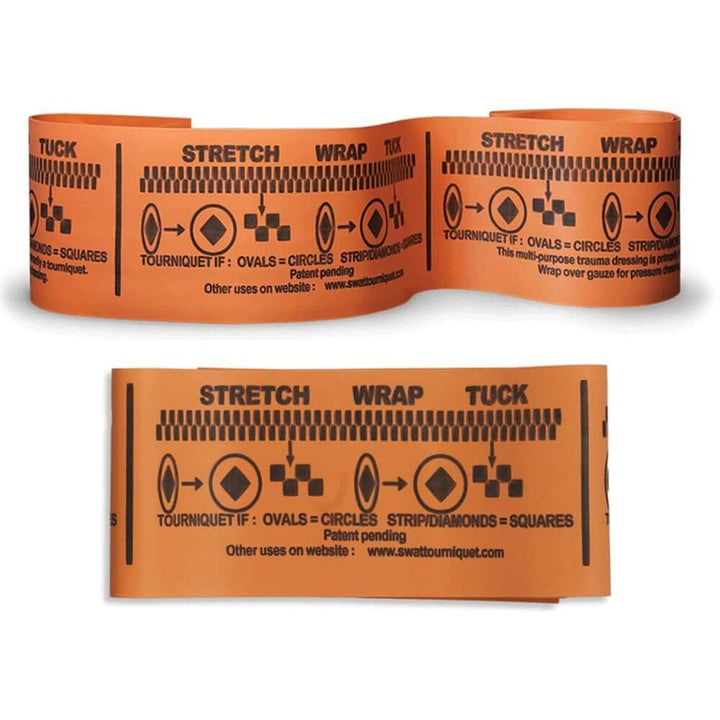
A tourniquet like the SWAT-T stops catastrophic limb bleeding by cutting off blood flow entirely, applied above the wound when direct pressure alone isn't controlling it. Haemostatic granules and gauze work differently, promoting rapid clotting when packed directly into a wound that can't be tourniqueted — useful for injuries to the torso or areas a tourniquet can't reach. Bleed control kits combine both approaches because different wound locations need different responses.
Sizing a Kit to Your Crew
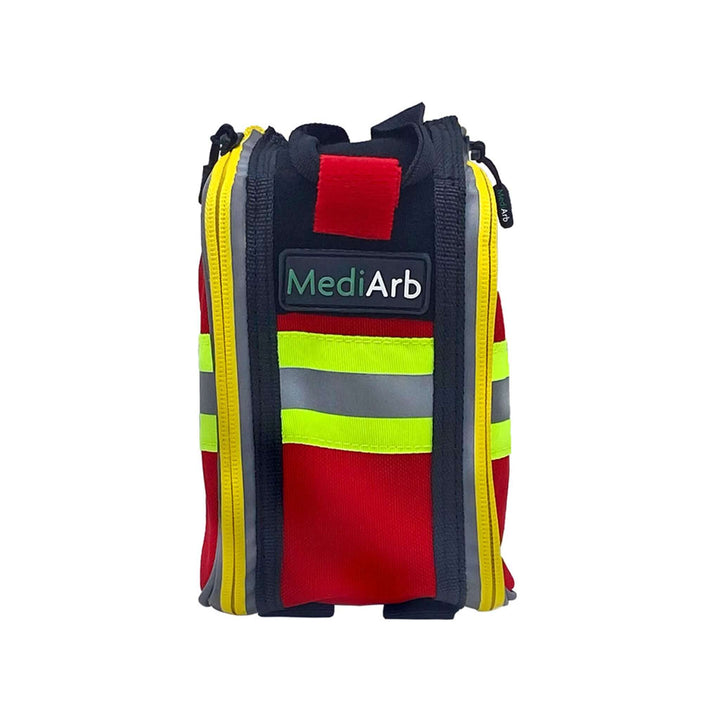
A solo operator needs a personal pack within arm's reach at all times, since there's no second person to fetch help immediately. A crew working together can rely more on a shared medium or large kit at a fixed point, provided everyone knows exactly where it is and how to reach it fast. Larger emergency kit bags make sense for bigger crews or higher-risk jobs where the extra capacity and range of supplies genuinely gets used.
Signalling for Help
In dense woodland or on a noisy site, shouting for help doesn't always carry — a whistle like the Cyclone Airfast cuts through chainsaw and chipper noise far more reliably. Keep one on your person, not just in the kit, since the moment you need it is exactly when you may not have time to dig through a bag.
Rescue Slings & Getting an Injured Climber Down
First aid supplies only help once an injured climber is safely on the ground — an arborist rescue sling is what gets them there if they can't descend under their own power. This is equipment every climbing crew should carry and everyone should know how to use, not just the person most likely to need first aid training.
Checking & Restocking Your Kit
A first aid kit is only as good as its contents on the day it's needed — check expiry dates on dressings and granules periodically, and replace anything used immediately rather than waiting until the next routine check. Treat restocking as part of the job, the same way you'd replace a worn chain or blunted blade, not an occasional admin task.