


Top Picks

Buyer's Guide
Lowering Device Buyer's Guide
A lowering device controls a limb's descent through friction, letting one ground crew member manage weight that would otherwise free-fall. Bollard-style devices, portawraps, capstan winches and friction cylinders each suit different load weights and rope diameters — the right rigging equipment for a garden prune is very different from what's needed for a full crown removal. This range covers everything from lightweight portawraps to heavy-duty rigging bollards, portable winches and rope wrenches, plus genuine spares to keep existing devices running.
Bollard-Style Lowering Devices
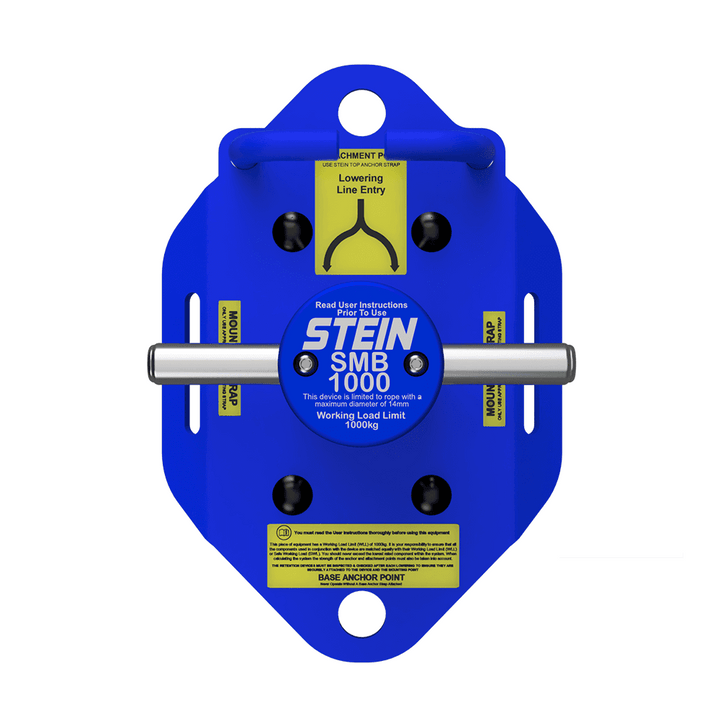
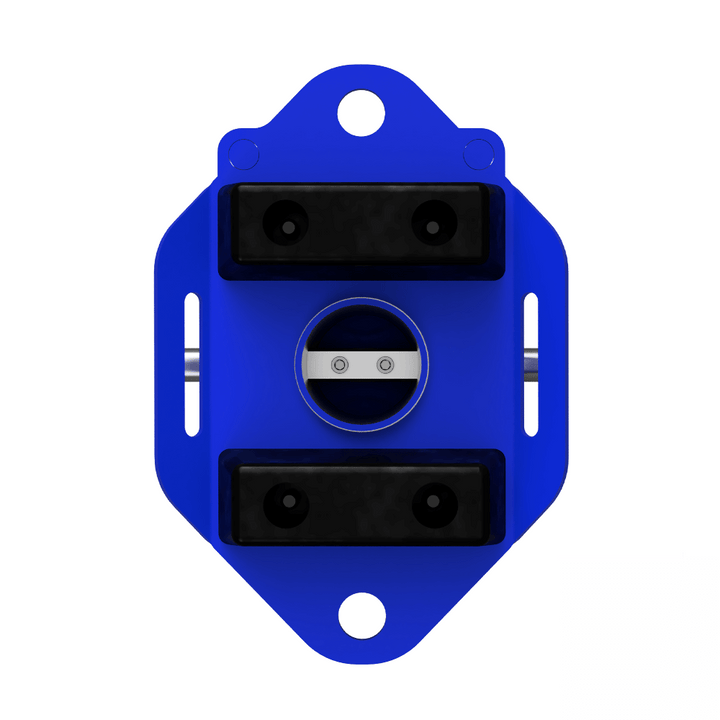
Bollard-style devices use a fixed post to build friction as rope wraps around it, giving smooth, controllable descents for heavier loads. The Stein RC1000 handles lighter rigging jobs, while the RC2001 and RC3001 step up for larger stems and SWL. The SMB1000 Rigging Bollard is built for continuous heavy-duty rigging where a device stays mounted for a full day's work.
Portawraps & Friction Cylinders
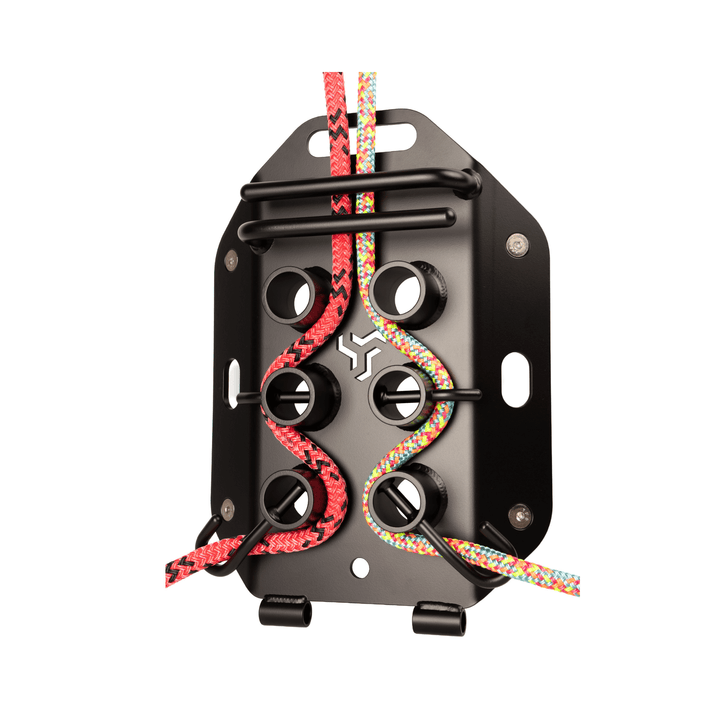
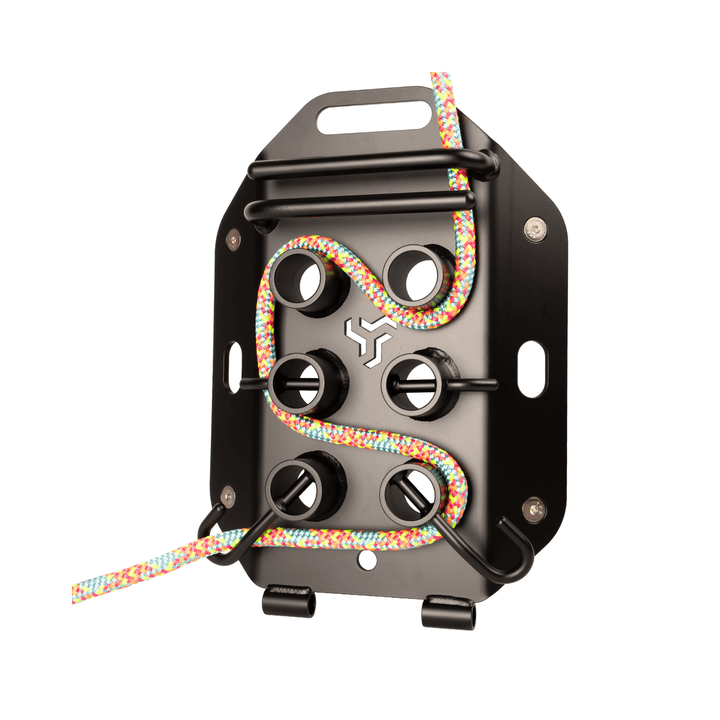
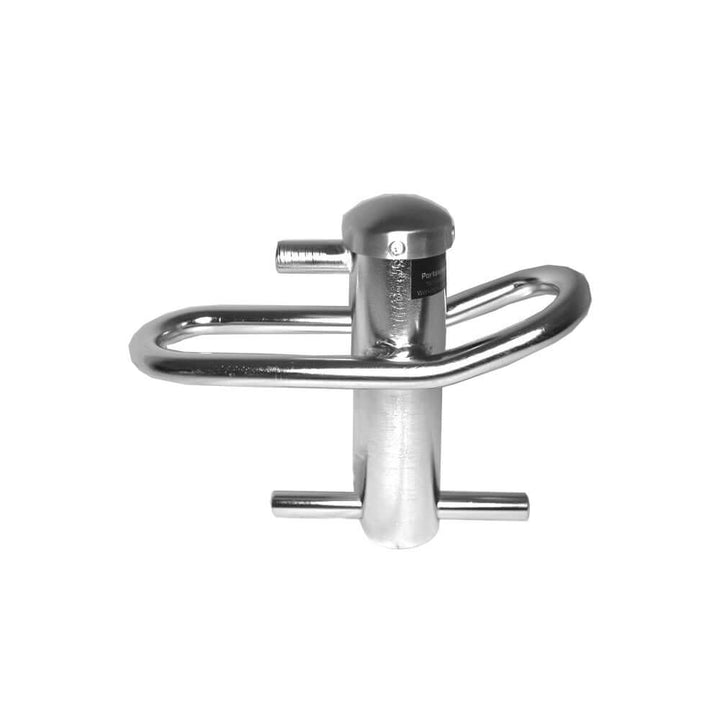
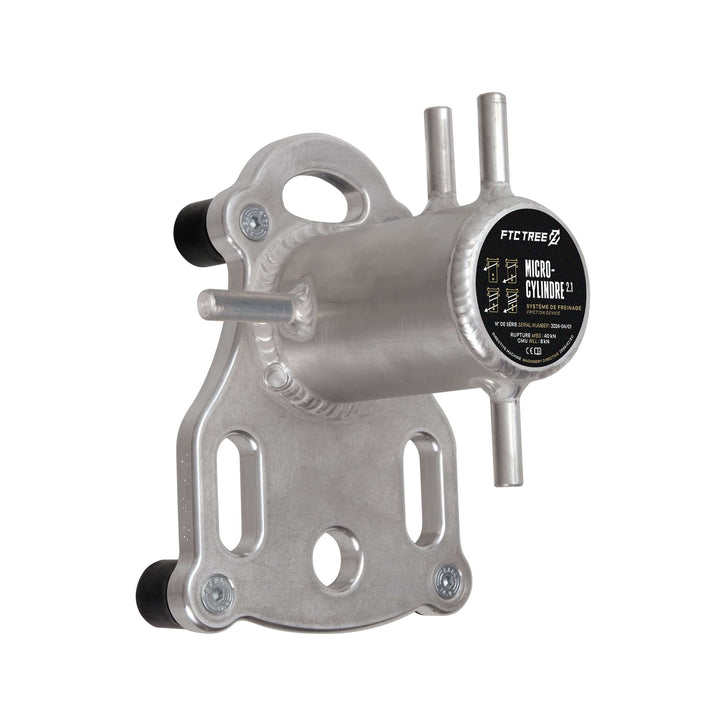
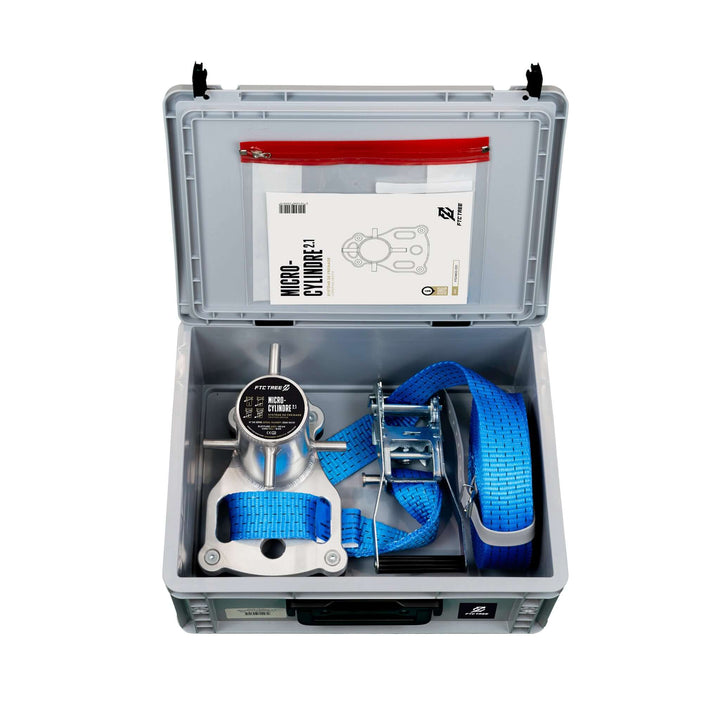
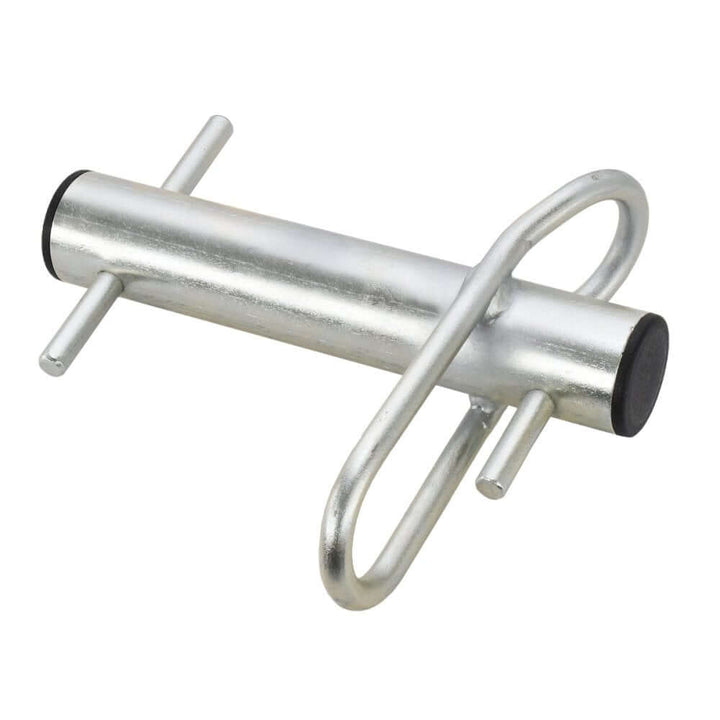
Portawraps wrap rope around a static frame rather than a rotating bollard, making them lighter and quicker to rig and de-rig between anchor points. The Notch Portawrap IV Medium suits smaller stems and lighter loads, while the Portawrap Large Stainless Steel takes on bigger sections. The Micro Cylinder 2.1 and Mini Cylinder 2.1 Friction Devices give even finer control for precision lowers where load management matters most.
Capstan Winches & Pulleys
Where a load needs pulling as well as lowering, a capstan winch does both — the Harkie Flying Capstan Lowering Device (SWL 1000kg) and Notch Six Pack Lowering Device let one person control heavy sections without hauling by hand. Pair either with the Rock Exotica DownRigger Pulley to redirect load through an anchor point and reduce friction on the rope.
Matching SWL & Rope Diameter
Every lowering device has a stated safe working load and a rope diameter range — running rope outside that range compromises the friction the device relies on. Check the SWL against your heaviest anticipated section weight with a safety margin, and confirm your rope's diameter matches the device's rated range before use. The right rigging equipment for a domestic prune is rarely enough for a full crown removal, so match the device to the job rather than the other way round.
Rope Wrenches & Mechanical Devices
A rope wrench adds a mechanical advantage point that redirects friction away from the rope and into the device itself, reducing wear on expensive rigging line during repeated lowers. It's a smaller, lighter addition to a rigging kit than a full bollard or capstan, and suits crews who need to switch quickly between climbing and rigging setups on the same job.
Setting Up a Lowering System
A safe lowering system starts with a solid anchor point rated well above your device's SWL, positioned so the rope runs cleanly through the device without side-loading. Keep a consistent wrap count on bollard and portawrap-style devices to control speed, and always maintain a tail hand on the working end throughout the lower.
Spares & Maintenance
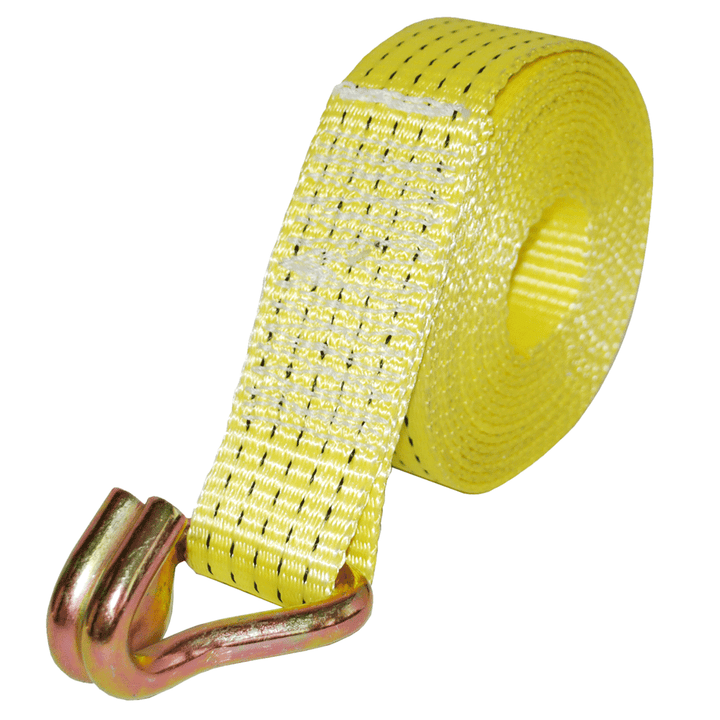
Keep an existing device running with genuine spares: SMB1000 and RC Replacement Protection Rubbers protect the bollard surface from rope wear, while the SMB1000 Replacement Ratchet Strap and Replacement Ratchet Handle keep tensioning systems working smoothly. The RC Lowering Device Webbing with Inverted Hook and Top Mounting Lowering Strap 5m cover mounting accessories, and LD Winch Locking Pins keep winch-based systems secure.
Pairs Well With
- Rigging Equipment — pulleys, slings and hardware to complete a full rigging setup
- Slings — soft shackles and rigging slings for anchor points and redirects
- Pulleys — rigging and arborist pulleys to reduce friction and redirect load
- Carabiners & Connectors — rated hardware for anchors, redirects and device attachment
- Throwline & Accessories — set high anchor points before you rig