


Top Picks

Buyer's Guide
Chainsaw Sharpening & Maintenance Buyer's Guide
From round files and filing kits to Oregon electric sharpeners and the STIHL FG 2 filing guide, this covers the full sharpening and maintenance tool range at Gustharts — for professional arborists servicing saws daily and homeowners keeping cutting equipment in safe working condition.
Round Files and Chainsaw Filing Kits
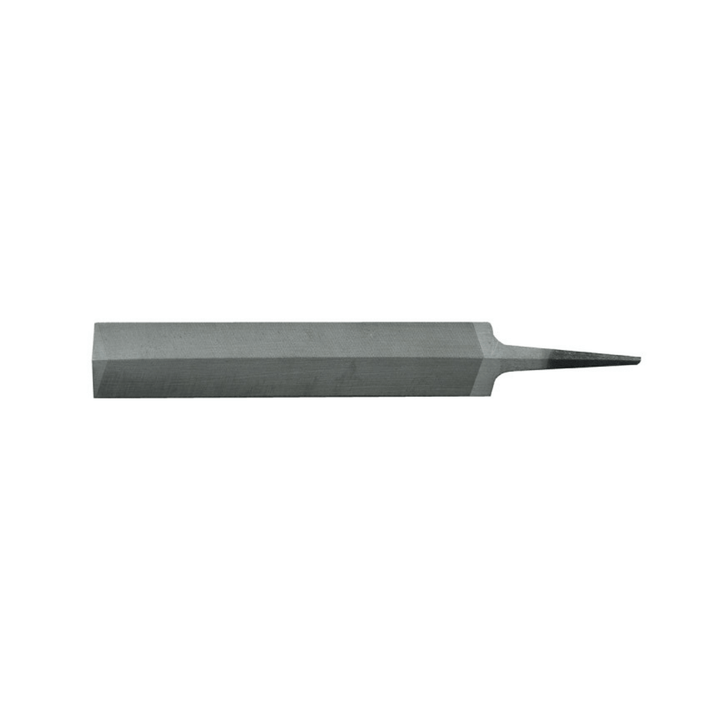
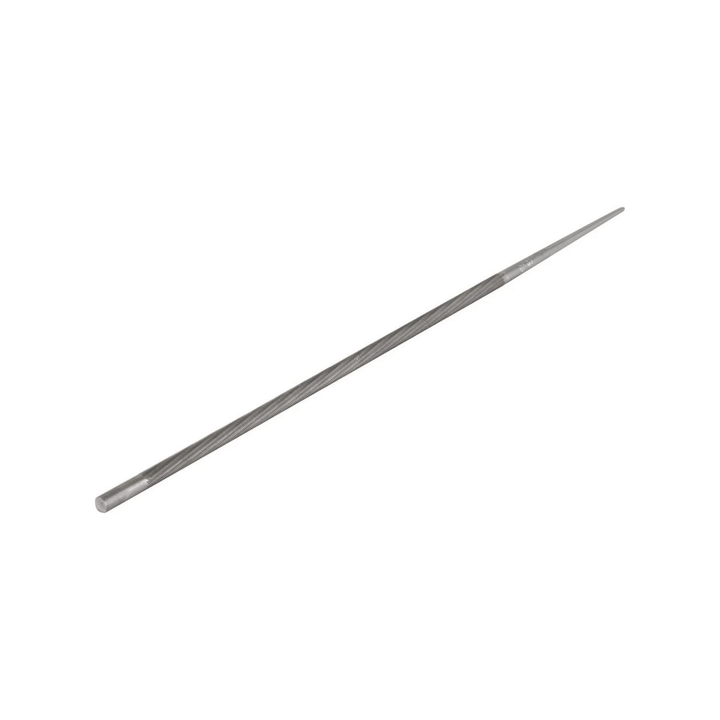
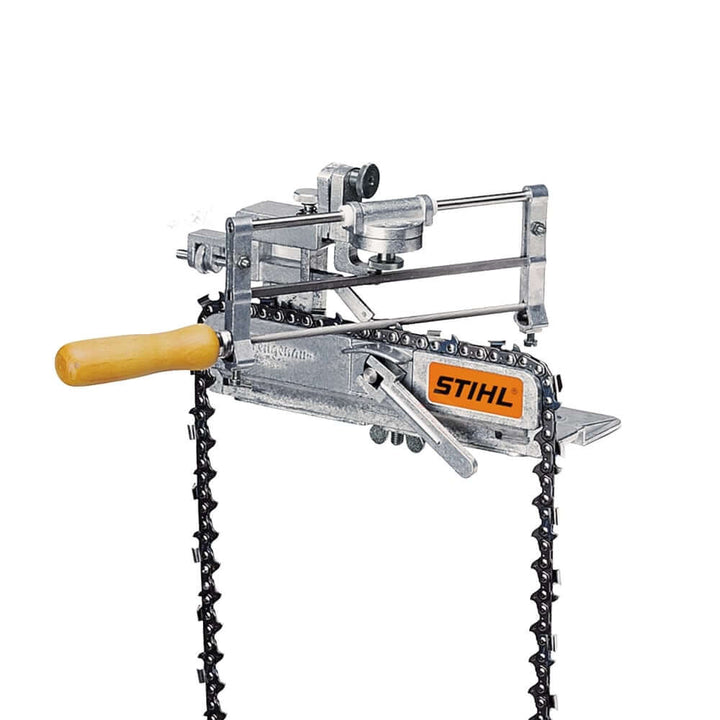
Hand filing is the most precise method for chainsaw chain sharpening. Round files must match the chain pitch - 4mm files suit .325" pitch chains; 4.8mm files suit 3/8" pitch chains; 5.5mm files suit 3/4" pitch chains. A complete chainsaw sharpening kit includes a round file, flat file, depth gauge tool and filing guide to maintain correct cutter angle and depth gauge height. Pferd and STIHL produce the most widely used professional filing kits stocked at Gustharts.
Electric Chainsaw Sharpeners
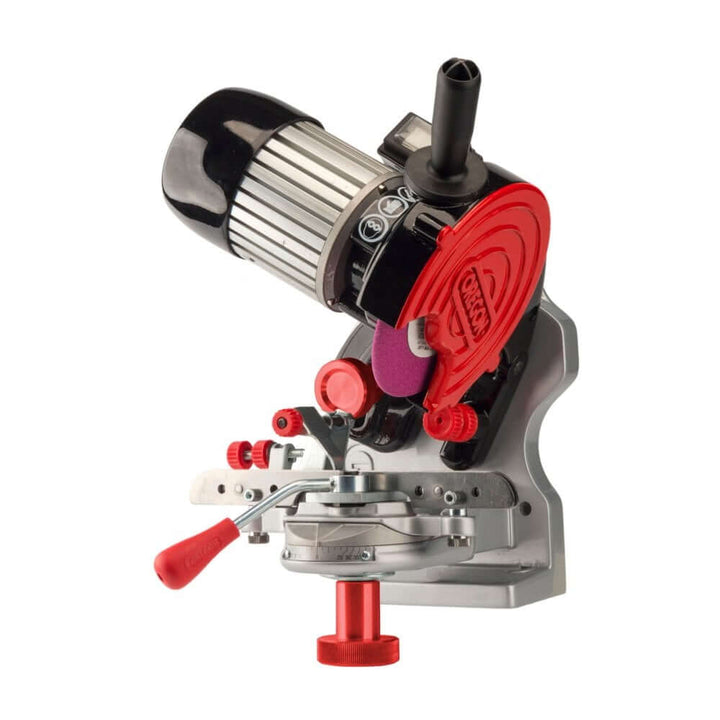
Electric chainsaw sharpeners sharpen chains faster than hand filing and suit high-volume professional users. Oregon electric sharpeners are the most widely used bench-mounted electric chainsaw sharpener in the UK - available in 12V and 230V models. The STIHL USG electric sharpener suits workshop and site use. Electric sharpeners remove more metal per pass than a file - use hand filing for touch-ups between full sharpening sessions.
STIHL FG 2 Filing Guide
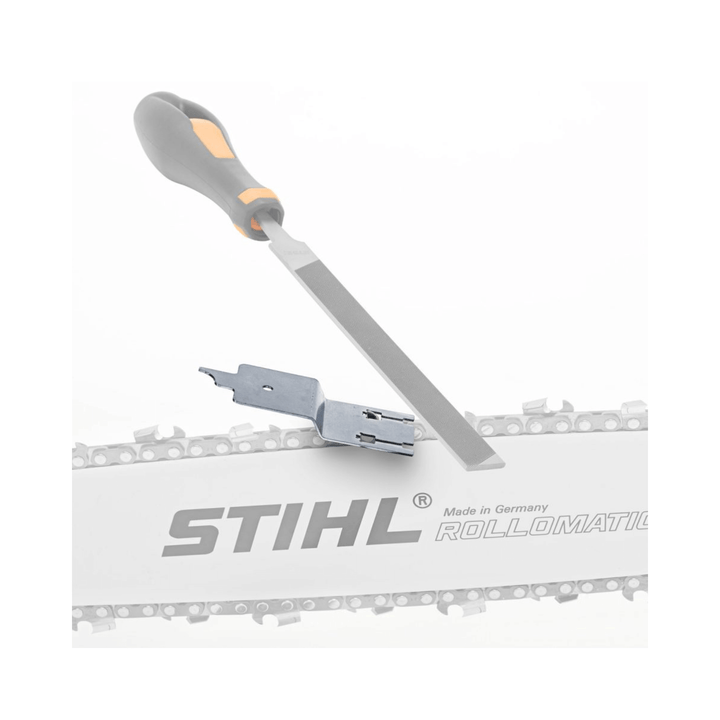
The STIHL FG 2 is a hand-held filing guide that sets the correct file angle for STIHL chainsaw chains automatically - eliminating guesswork on cutter angle and depth gauge settings. It is one of the most searched and highest-converting sharpening tools at Gustharts. To use: 1. Secure the chain. 2. Clip the FG 2 onto the cutter. 3. File with the correct round file at the guided angle. 4. Check depth gauges with the flat file after every third sharpening.
Carbide and Tungsten Chainsaw Chains
Tungsten carbide-tipped chainsaw chains are designed for cutting dirty, sandy or abrasive timber where standard steel chains would dull within minutes. Carbide chains last up to 4x longer than standard chains in these conditions but cannot be hand-filed - they require diamond sharpening equipment. Ideal for cutting timber contaminated with grit, nails or embedded stone, or for processing reclaimed and green wood with high silica content.
Guide Bar and Groove Maintenance
Guide bar maintenance is as important as chain sharpening for cutting performance. Clear the bar groove and oil holes after every use with a bar groove tool or flat screwdriver. Check bar rails for burrs or uneven wear with a flat file - worn rails cause the chain to run at an angle and increase kickback risk. Flip the bar at each chain change to distribute wear evenly. Replace bars showing cracks, deep groove wear or bent rails.
Hedge Trimmer and Garden Tool Sharpening
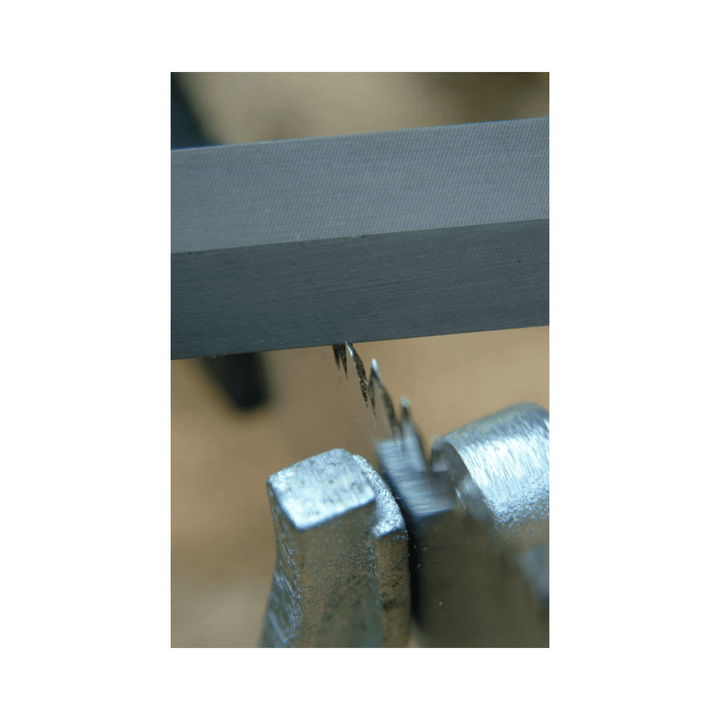
Hedge trimmer blades dull with use and from contact with woody stems and grit. A flat feather edge file restores the blade bevel on hedge trimmer cutters - file toward the cutting edge on the bevelled face only, maintaining the original angle. Secateur and lopper blades can be restored with a sharpening stone or diamond file. Silky saw blades use hardened teeth that cannot be resharpened - replace the blade when cutting speed drops.
How Often Should You Sharpen a Chainsaw Chain?
A chainsaw chain needs sharpening when: it requires excessive pressure to cut; it produces fine dust instead of chips; it pulls to one side; or the chain has contacted soil, stone or a nail. For professional daily use, sharpen every 2-3 hours of cutting time. For domestic use, check before each session. Depth gauges should be checked every third filing and lowered with a flat file when they exceed the manufacturer specification by more than 0.1mm.
Pairs Well With
- Chainsaw Chains — genuine STIHL replacement chains in all pitches
- Chainsaw Guide Bars — Rollomatic ES and Duromatic bars for all models
- STIHL Chainsaw Spare Parts — filters, spark plugs and carburettor kits
- Chainsaw PPE — trousers, boots, helmets and gloves
- STIHL Fuel & Oil — HP Ultra, MotoMix and ForestPlus bar oil