


Top Picks

Buyer's Guide
Chainsaw Guide Bars Buyer's Guide
Length, mount type, pitch and gauge all need to match your saw exactly — here's how to choose the right replacement or upgrade bar.
Matching Bar Length to Your Saw
Every chainsaw has a maximum and recommended bar length — fitting a longer bar than the saw is rated for reduces cutting efficiency and puts extra strain on the engine and chain drive. Check your saw's manual before choosing a bar length.
Bar Mount Types
Bars are fitted to specific mount patterns that vary between saw models and brands — always check the mount type matches your saw exactly, as a bar that doesn't fit the mount simply won't attach.
Solid vs Sprocket Nose Bars
Solid nose bars are more durable and need less maintenance, suiting general forestry and firewood work. Sprocket nose bars reduce friction at the tip, which matters more for high-speed professional felling and bucking work.
Pitch & Gauge Explained
Pitch and gauge must match exactly between your bar and chain — pitch is the spacing between drive links, gauge is the thickness of the drive link that sits in the bar groove. Mismatched pitch or gauge means the chain won't run properly, or at all.
Choosing for Felling vs Bucking
A longer bar suits felling larger-diameter trees in one pass, while a shorter, lighter bar is easier to control for bucking, limbing and general firewood processing where manoeuvrability matters more than reach.
Genuine Stihl vs Compatible Bars
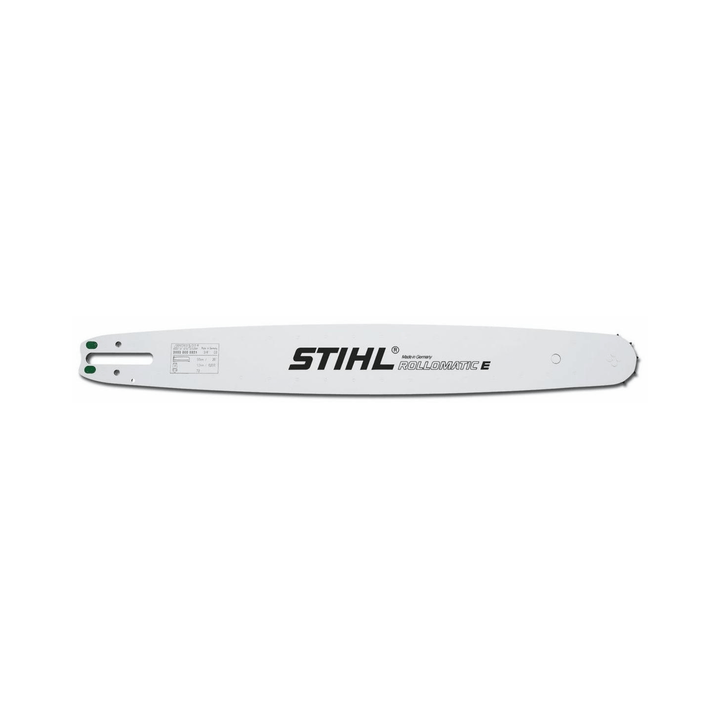
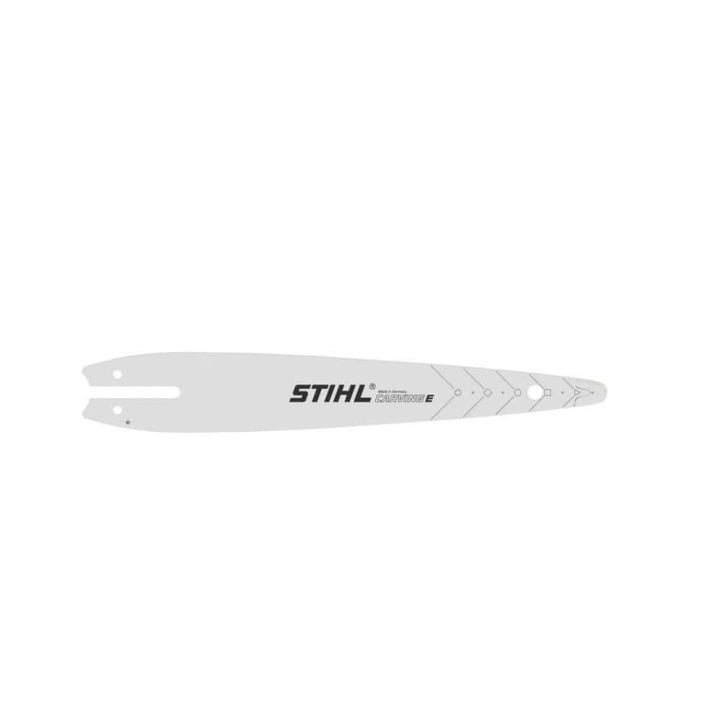
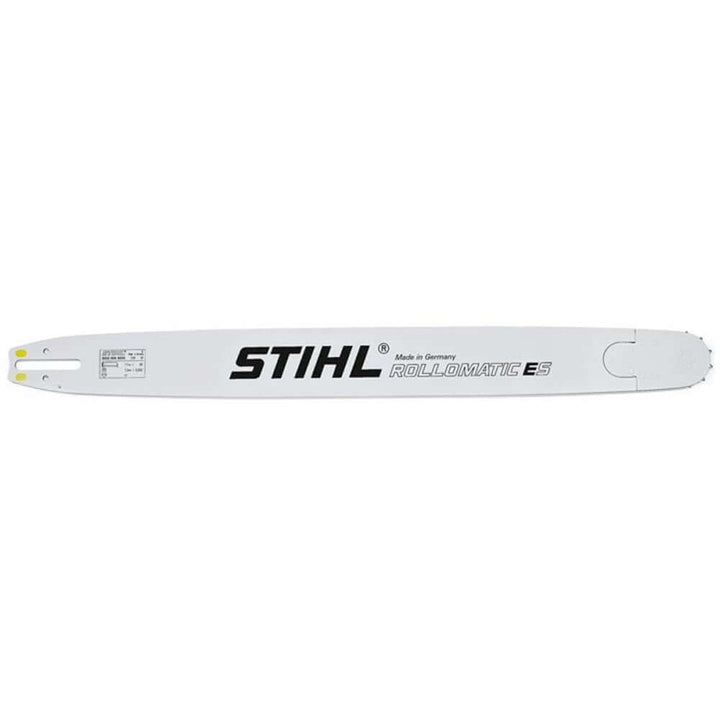
Genuine Stihl bars are matched precisely to the saw's oiling system and chain drive for reliable performance — this collection stocks genuine Stihl bars across the full length and mount range.
Bar Care & Maintenance
Flip the bar regularly to even out wear, keep the oiling groove clear of debris, and dress the rails if they start to burr — a well-maintained bar lasts significantly longer and keeps the chain running true.