


Top Picks
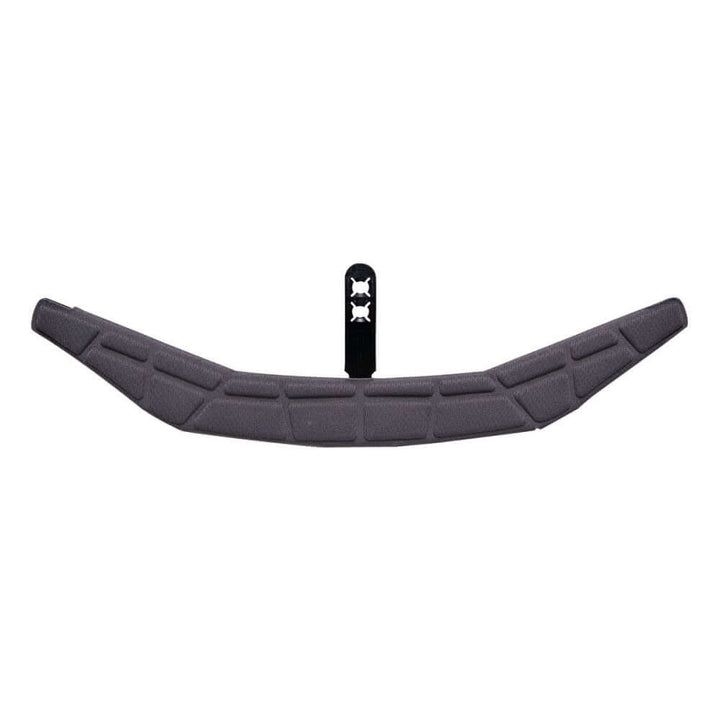
VERTEX / STRATO Helmet Headband with Comfort Foam
£4.25
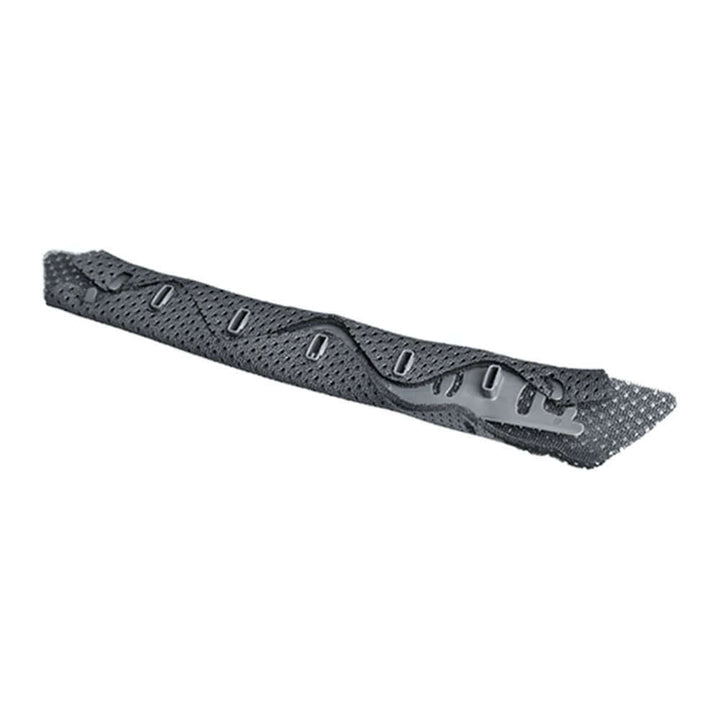
Integral Helmet Klima-Air Headband
£8.00
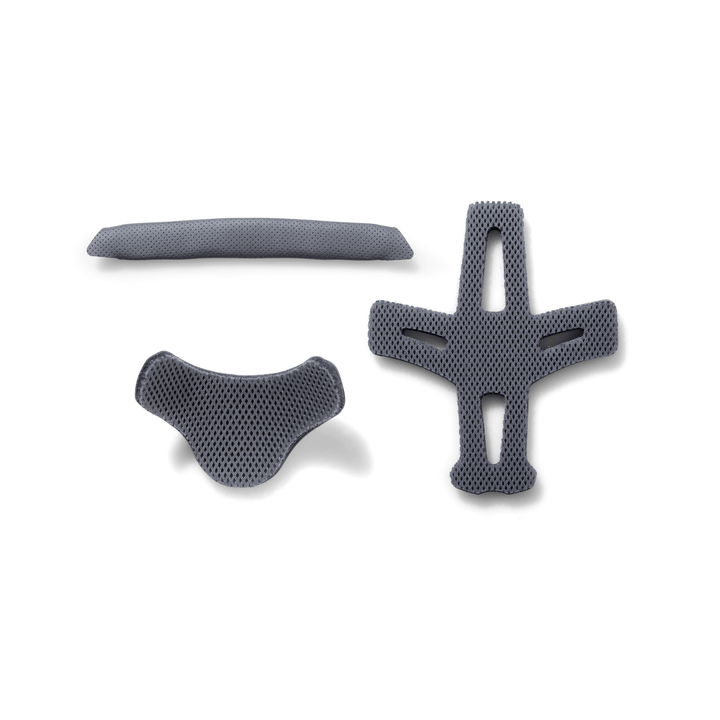
Integral Helmet Klima-Air Hygiene Set
£19.00
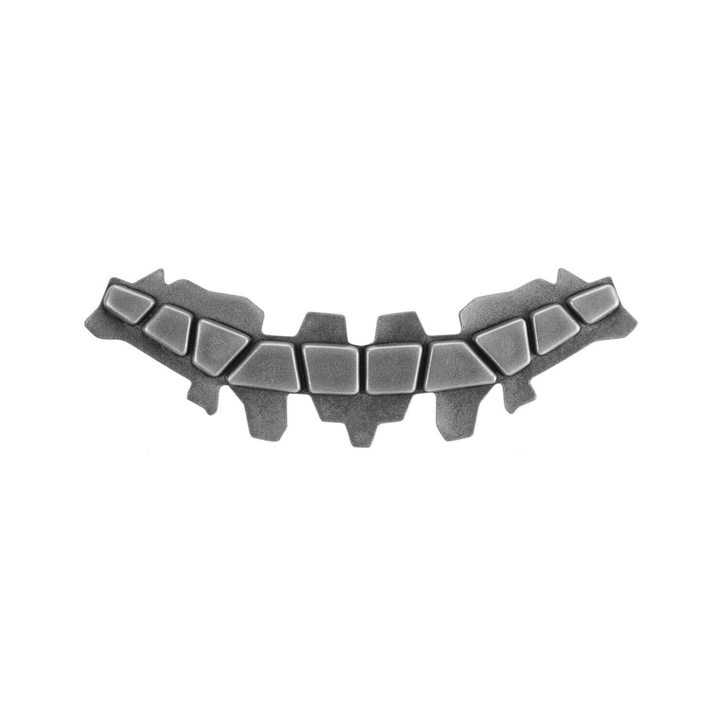
Replacement Foam for Vertex & Alveo Climbing Helmets
£3.83
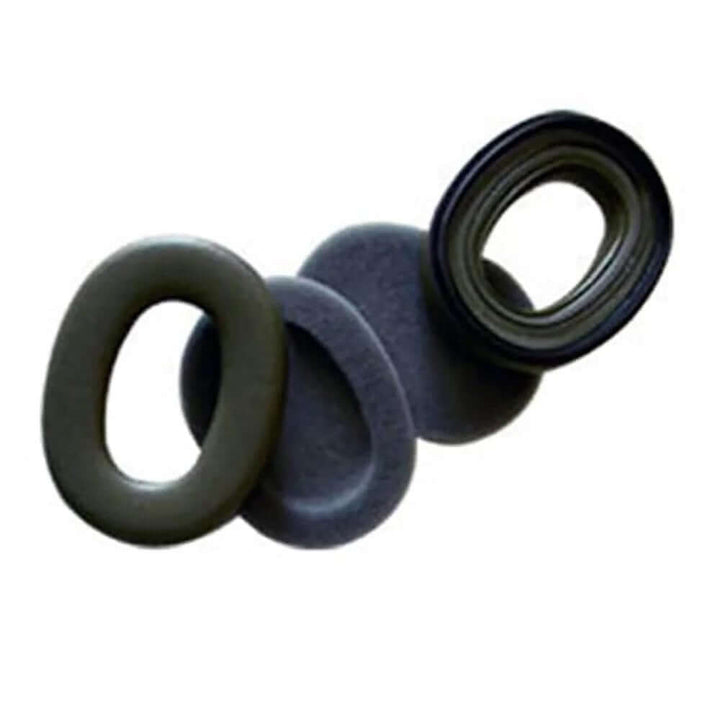
ProCOM Hygiene Set
£11.58
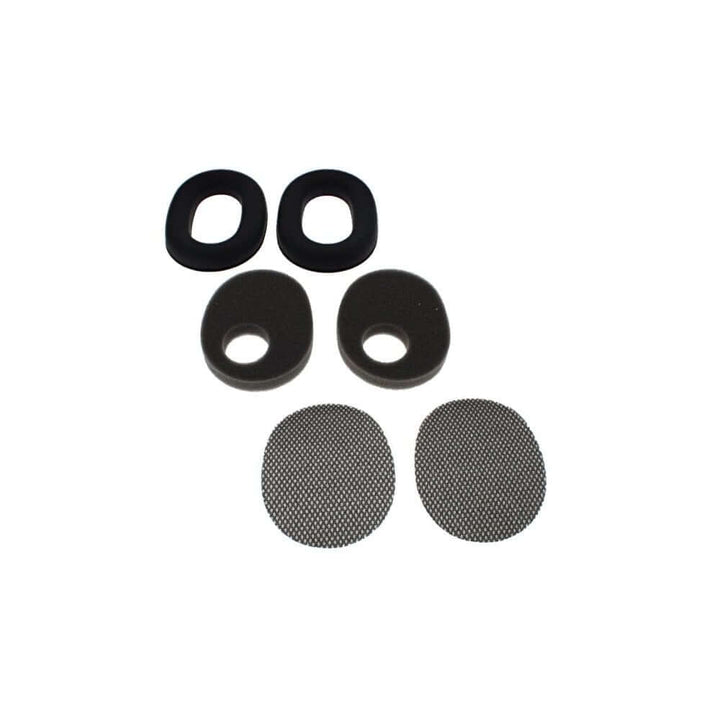
Hygiene Set BT Ear Defenders
£11.58
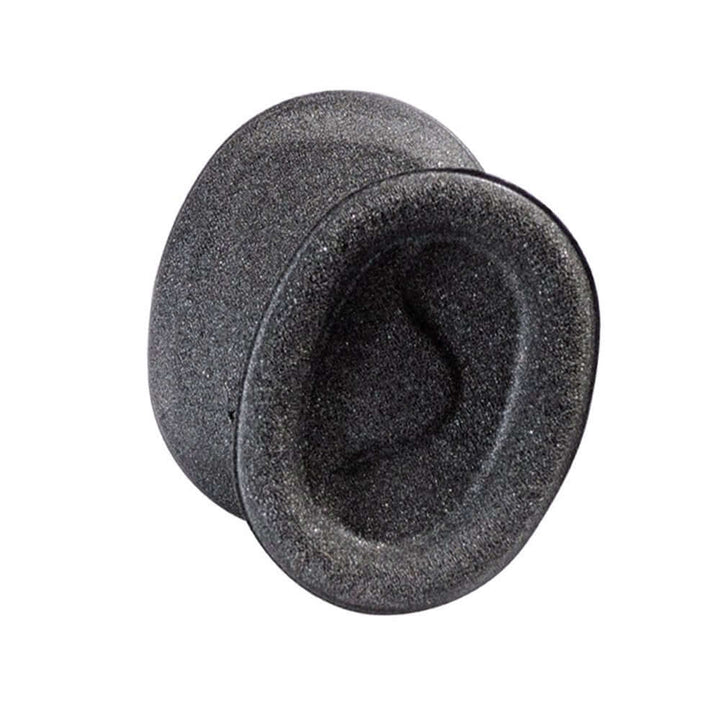
Integral Helmet Absorption Insert Pads
£9.50
Buyer's Guide
Helmet & Ear Defender Hygiene Kits Buyer's Guide
Worn padding isn't just uncomfortable — for ear defenders, a compressed seal means real noise attenuation loss. This guide covers why hygiene kits need regular replacement, matching a kit to your exact model, and how often to check padding condition.
Why Padding Needs Regular Replacement
Sweat and daily compression break down foam padding faster than most people expect, and for ear defenders specifically, a compressed or worn seal means real attenuation loss — you're not just less comfortable, you're less protected. Treat hygiene kit replacement as a scheduled part of PPE maintenance rather than something you only think about once padding visibly falls apart.
Shared PPE and Hygiene
Helmets and ear defenders shared across a crew add a genuine hygiene reason to replace pads regularly, beyond just wear — sweat-soaked foam passed between different people is worth refreshing more often than personal-use kit. Budget for more frequent hygiene kit replacement on shared equipment.
Matching a Kit to Your Exact Model
Hygiene kits are matched to specific helmet and ear defender models — a Sordin EXC kit won't fit a Peltor X4, and Protos Integral padding is specific to that helmet range. Check your exact model before ordering, since a kit that doesn't quite fit won't restore the seal properly even if it looks close.
How Often to Replace
There's no fixed universal schedule, but a good rule of thumb is checking padding condition every few months for regular users and replacing at the first sign of compression, tearing or persistent odour rather than waiting for it to fail completely. Heavy summer use in particular accelerates foam breakdown from sweat, so check more often during hot working periods.