


Buyer's Guide
Rescue Knives for Arborists
A rescue knife is essential safety equipment for every arborist working at height — carried on the body, accessible one-handed, and ready for emergency rope cutting. This guide covers why arborists carry rescue knives, the Petzl Spatha design features, correct carry position and how to keep your rescue knife serviceable.
Why Every Arborist Should Carry a Rescue Knife
A rescue knife is emergency equipment for situations where a climber needs to cut their rope, lanyard or clothing quickly to escape entanglement or assist an injured colleague at height. In a suspension trauma or entanglement emergency, the ability to cut a rope in seconds can be life-saving. UK guidance under LOLER and AFAG recommends that all arborists working at height carry an accessible means of emergency rope cutting. A rescue knife should be carried on the body - never in a bag or kit below - and must be accessible with one hand at all times during climbing operations.
The Petzl Spatha - Design Features
The Petzl Spatha is designed specifically for rope rescue and emergency cutting in climbing and arborist applications. Key design features: a blunt-tip hawkbill blade that cuts rope without the risk of puncturing the user or a suspended casualty during emergency use; an integrated spine rope cutter that allows single-handed cutting even under load; a stainless steel blade resistant to rust and sap contamination; and a compact, lightweight form that clips to a saddle gear loop. The Spatha is not a general-purpose cutting or pruning knife - it is an emergency rescue tool.
Carrying and Accessing Your Rescue Knife
A rescue knife must be accessible within seconds in an emergency - a knife buried in a bag or inside a jacket pocket is useless at the moment it is needed. The Petzl Spatha should be carried on an external gear loop on the arborist saddle, clipped directly via its integrated attachment point, and positioned on the dominant hand side for fastest access. In team working situations, all climbers should know where each other's rescue knife is positioned. Practice accessing and opening the knife one-handed as part of regular rescue drill training.
Rescue Knife Maintenance and Inspection
Inspect the Petzl Spatha before each use for: blade sharpness (a dull rescue knife fails at the critical moment - keep the blade sharp); corrosion on the blade or pivot; damage to the locking mechanism; and secure attachment of the carrying clip. Clean the blade with fresh water after use in sap or resin-contaminated environments. Sharpen the hawkbill blade with a curved ceramic or diamond sharpener suited to the hawkbill profile. Replace the knife immediately if the blade lock fails to engage positively or the blade shows visible damage. A rescue knife in unknown condition is worse than no rescue knife - always know the state of your equipment.
Pairs Well With
Complete Your Kit
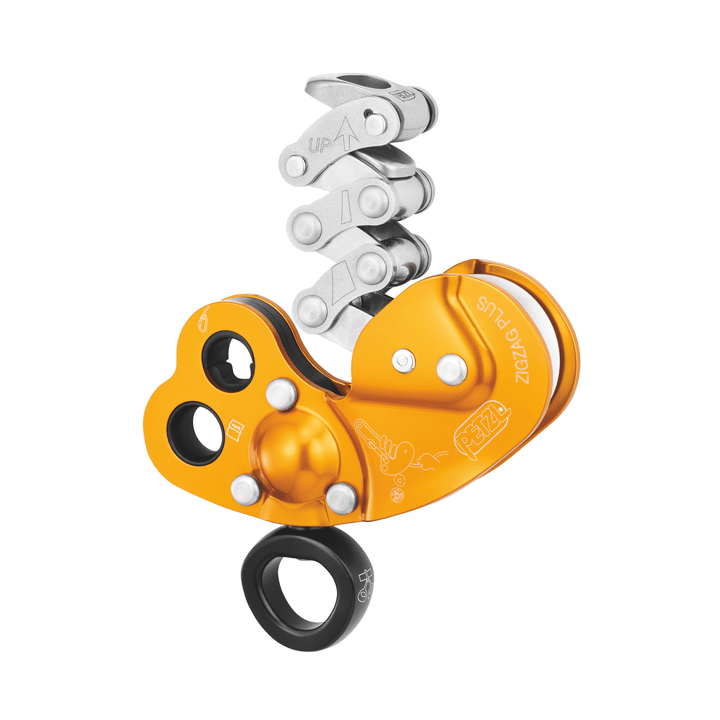
Zigzag Plus Mechanical Prusik
£199.15
 24% OFF
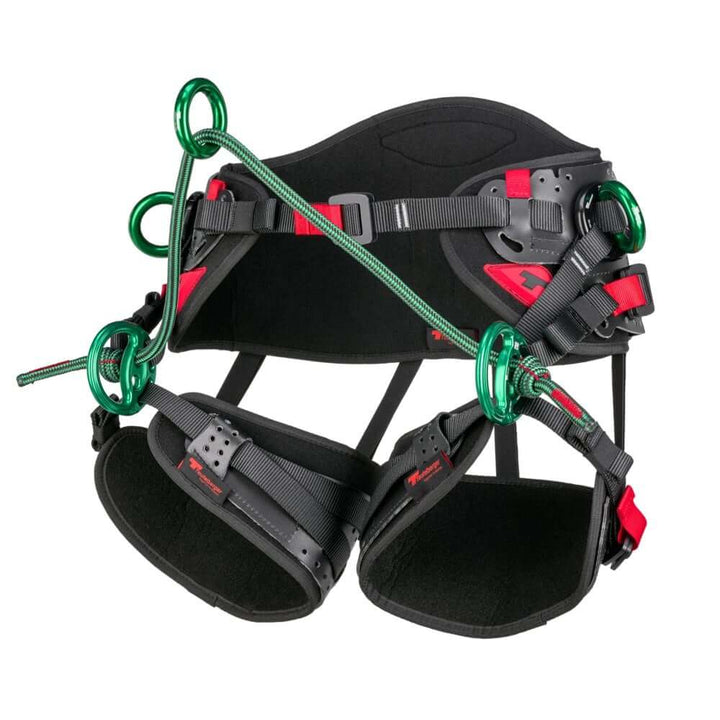
treeMOTION Essential Tree Climbing Harness
£250.00
£330.99
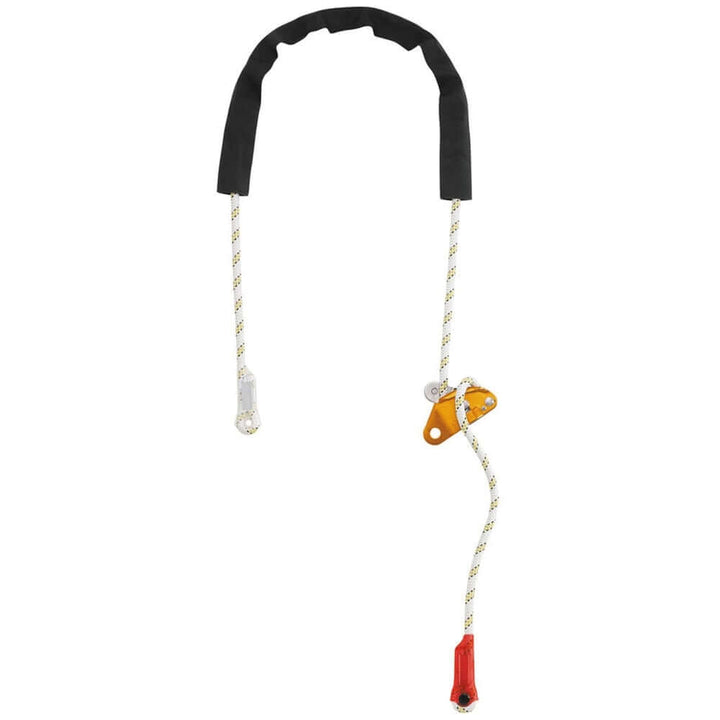
Grillon Adjustable Lanyard Assembly
£34.85
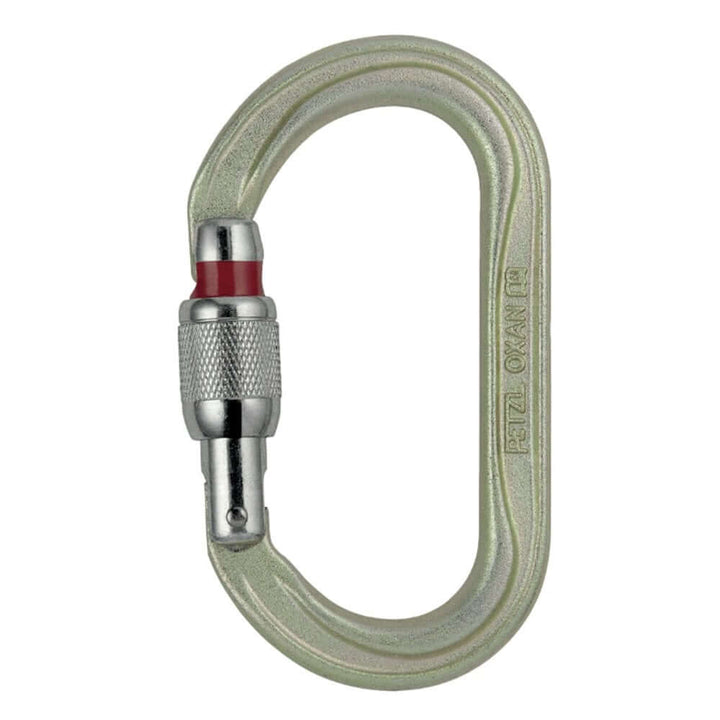
Oxan Steel Screw Lock Carabiner
£8.50
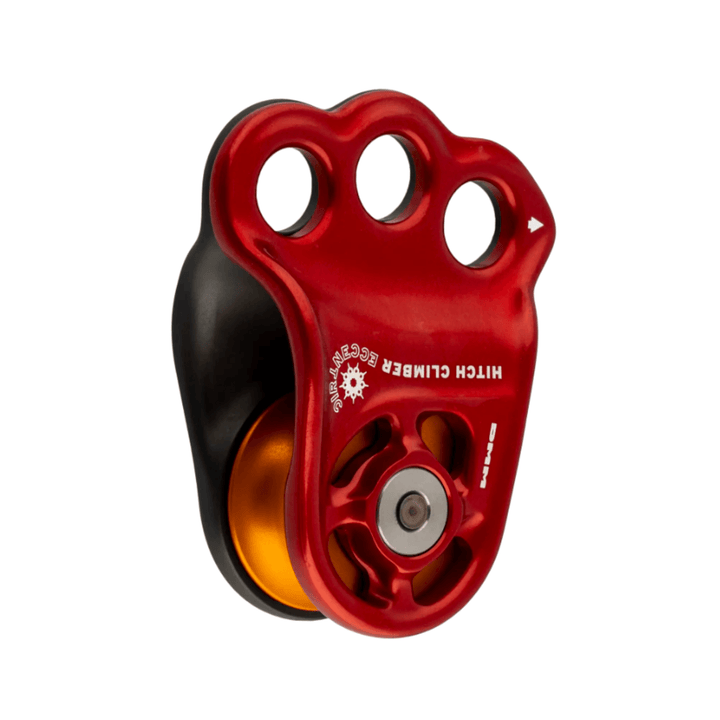
Hitch Climber Eccentric Pulley
£55.13
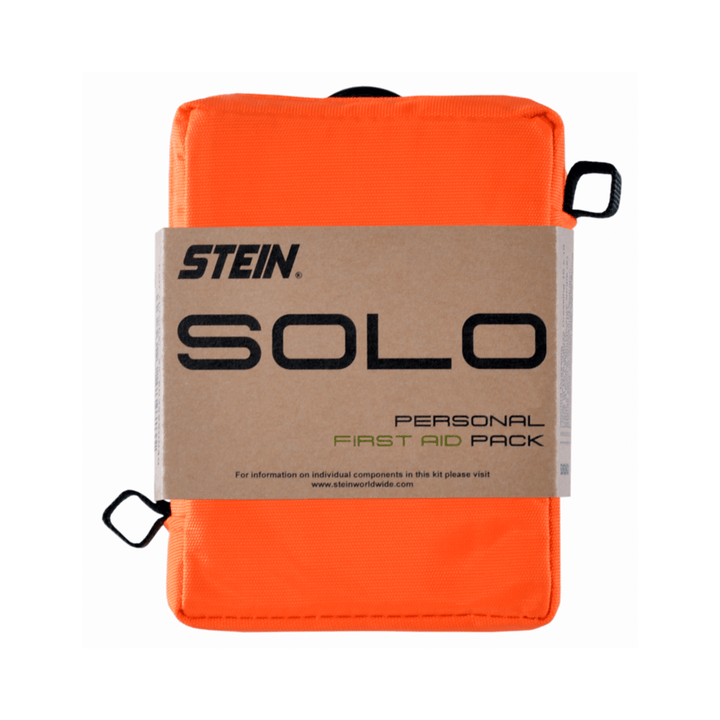
SOLO Personal First Aid Pack
£10.20
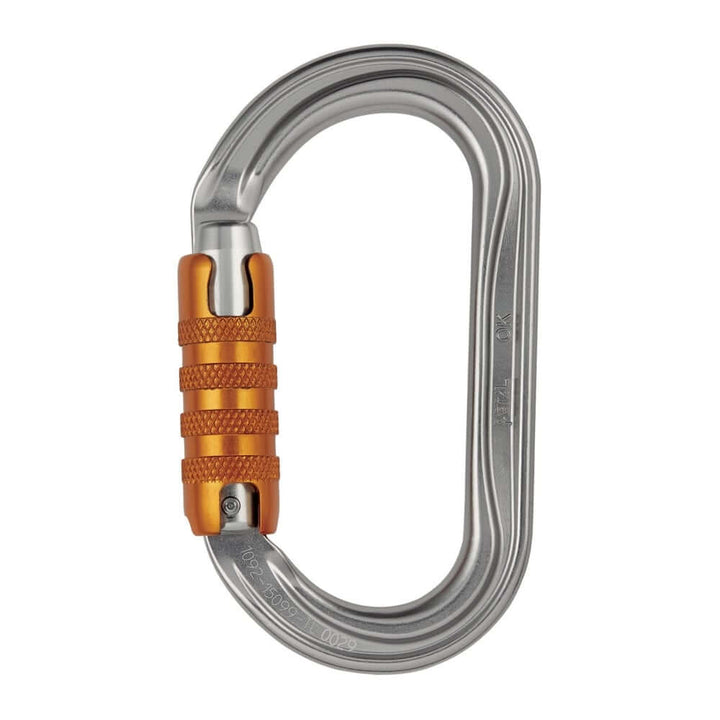
OK Lightweight Oval Aluminium Carabiner
£14.88
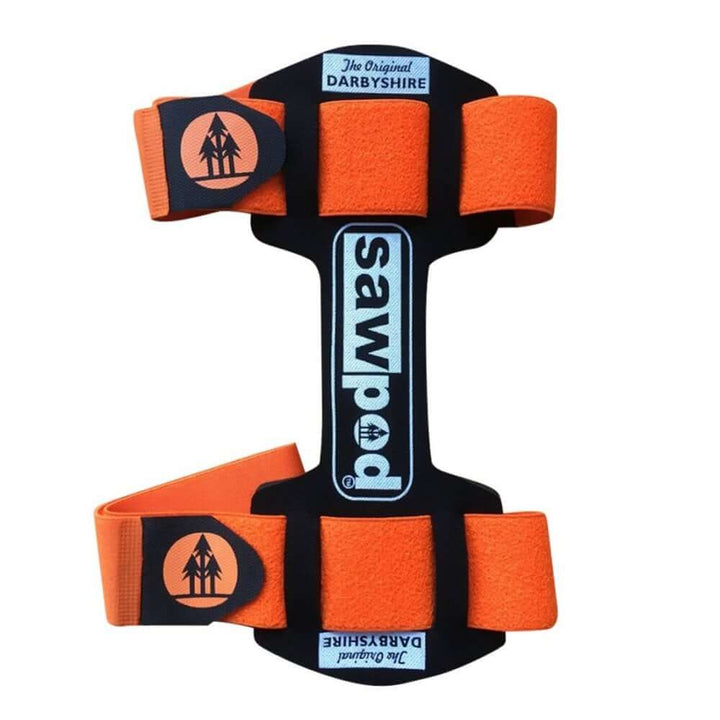
Sawpod Pruning Saw Holster
£19.95