


Top Picks
Buyer's Guide
Rigging Karabiners & Connectors Buyer's Guide
Rigging connectors see far higher, more sudden loads than a standard climbing carabiner ever will — a dropped section jolts the whole system, and hardware rated for gentle climbing loads isn't built for that. This range of arborist carabiners, steel karabiners and rigging shackles covers everything from single-connection screwgates to ISC's multi-way hardware, sized and rated for lowering, friction devices and haul configurations from DMM, Petzl, ISC, Notch and Rock Exotica.
Steel Rigging Karabiners
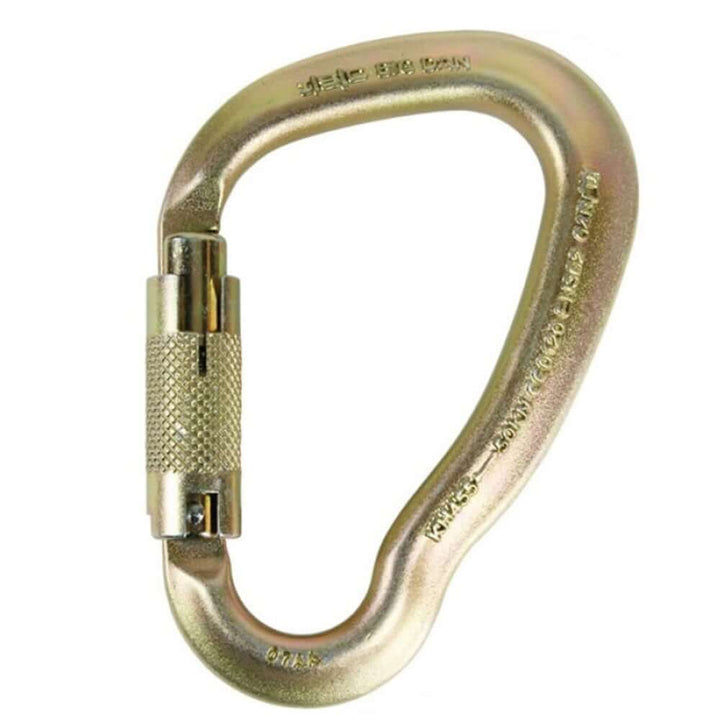
Steel rigging karabiners trade weight for strength, giving a much higher minimum breaking strength than an alloy climbing carabiner at a similar size. DMM's Steel Klettersteig D Shape 12mm, Steel Boa HMS Locksafe 12mm, Steel Oval 10mm, Steel Equal D 10mm and Steel Offset D Locksafe 12mm cover most general rigging connections, while the Pillar Steel TG Karabiner and Portable Winch Steel Locking Carabiner add options for winch and haul setups.
Screwgate & Triact Lock Options
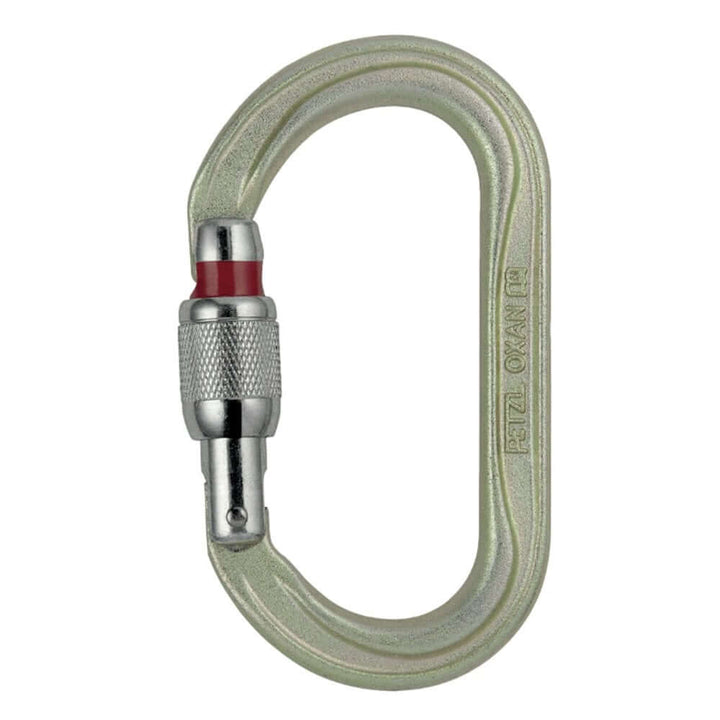
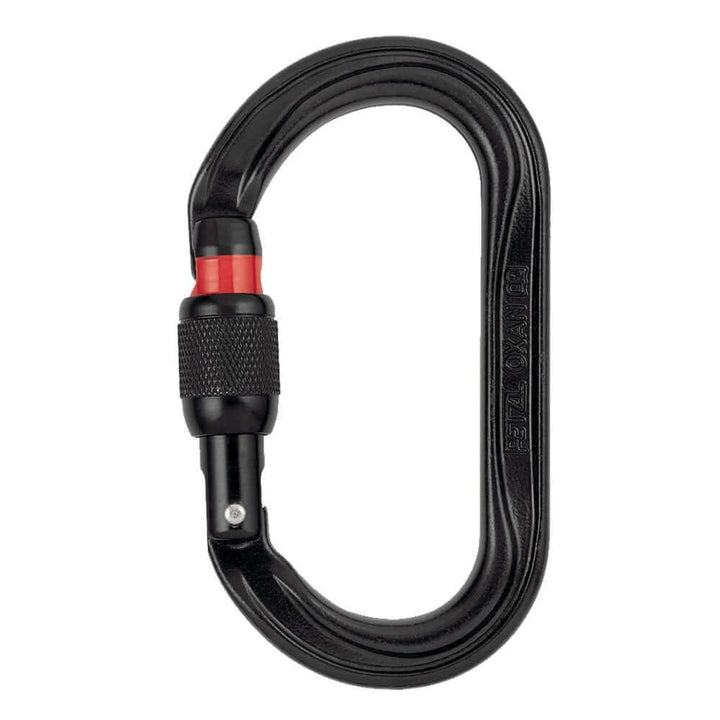
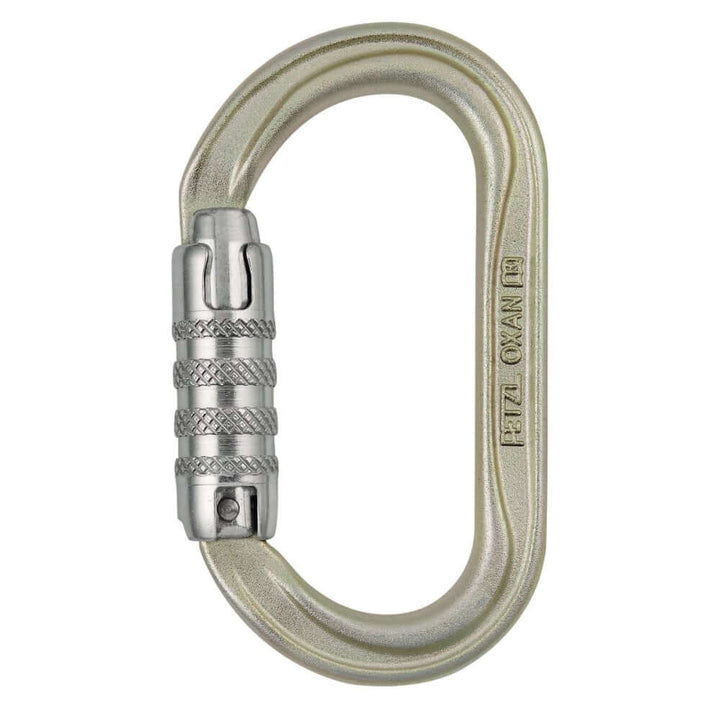
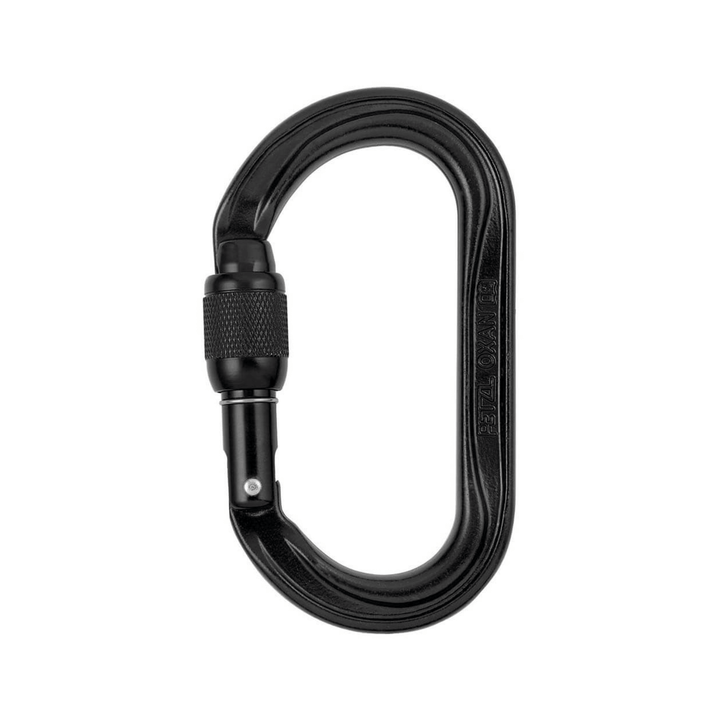
A screwgate needs manually turning to lock, while a triact-lock gate needs a push, turn and release — both prevent accidental opening under load, but triact adds a step that's harder to leave unlocked by mistake. Petzl's Oxan Steel Screw Lock Carabiner and Oxan Steel Triact Lock Carabiner cover both gate types, alongside DMM's Steel Oval Screwgate 10mm for a straightforward, no-frills locking connection.
Rigging Shackles & Quick Connectors
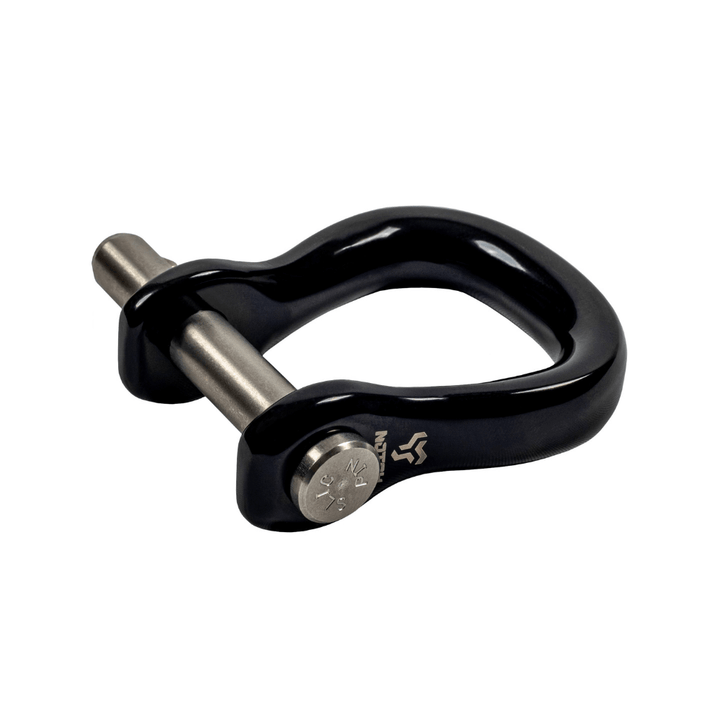
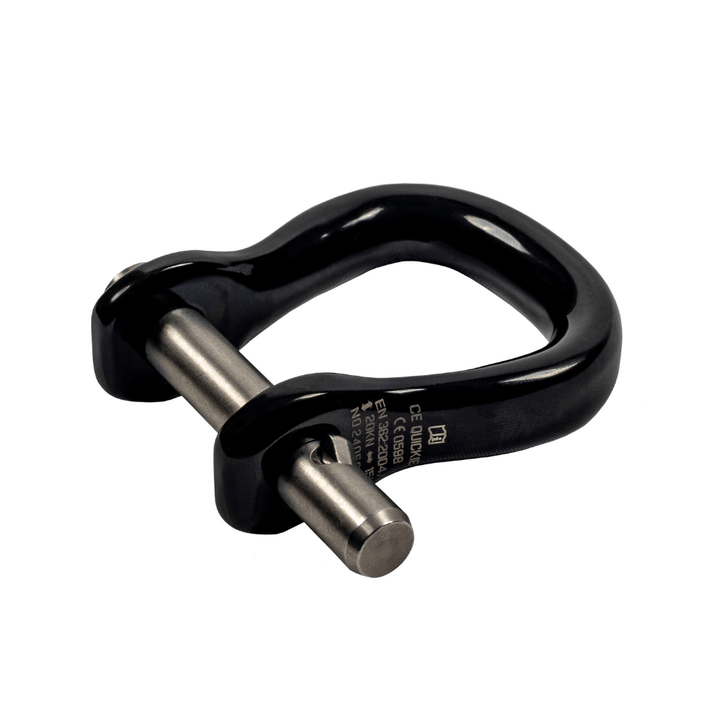
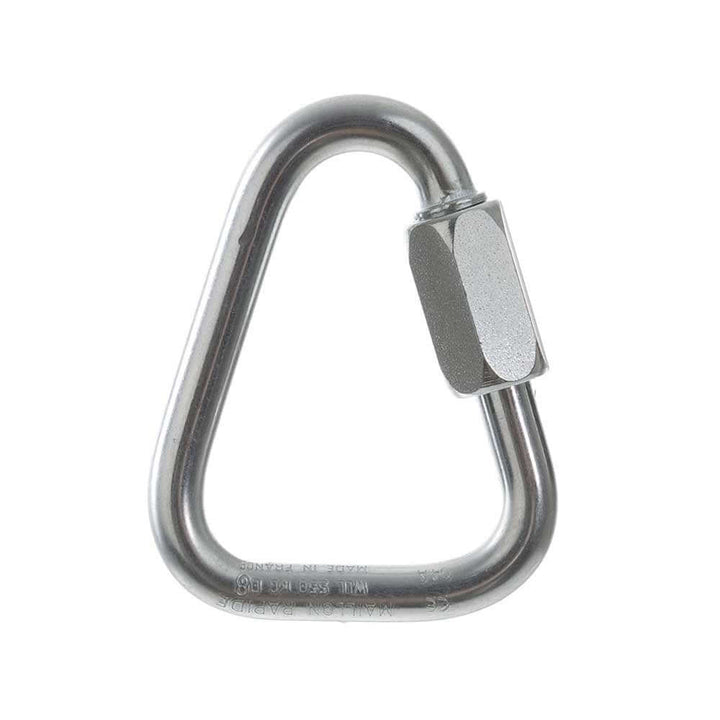
Shackles and rapid connectors give a fixed, semi-permanent link that doesn't need repeated opening and closing during a job. The Rapide Delta Shackle in 8mm and 12mm steel suits anchor points and hardware that stays rigged for the day, while Notch's CE Quickie Connector and Rapid Rig give quick-release options for setups that need breaking down and moving between anchor points.
ISC Multi-Way Connectors
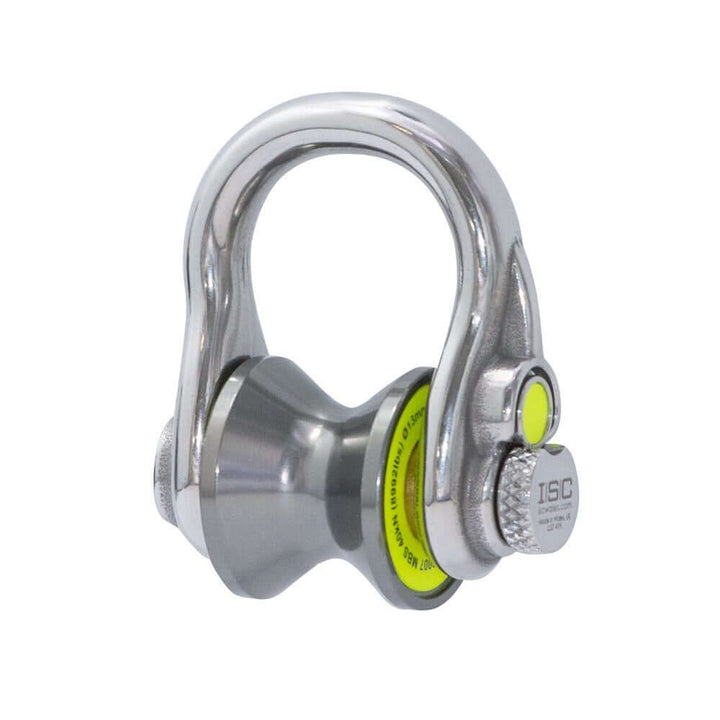
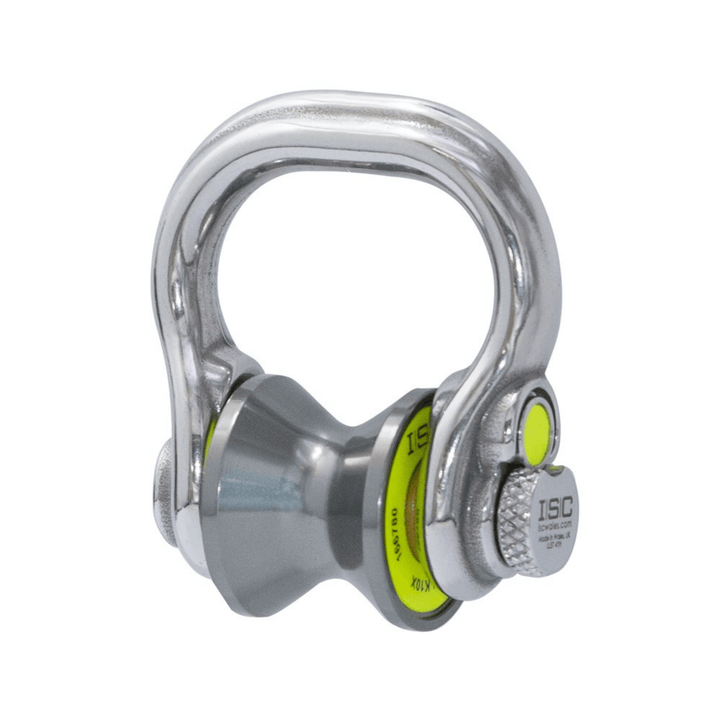
ISC's UltraLink V2, Iron Wizard Carabiner and Big Dan Supersafe 3 Way Carabiner each give more than one rated attachment point on a single connector, useful where several lines or devices need to share one anchor without stacking separate karabiners. The Big Dan's three-way gate is built specifically for rigging setups running multiple lines through one point.
Rescue & Descent Hardware
Rock Exotica's Rescue Eight Descender gives a controlled, adjustable-friction descent for rope access and rescue scenarios, and is worth keeping in a rigging kit alongside your karabiners and shackles for situations where a crew member needs to descend rather than lower a load. It's rated for ropes up to 13mm and works with both single and double-rope configurations.
Steel vs Alloy: Why Rigging Hardware Goes Steel
Rigging connectors see far higher, more sudden loads than a climbing carabiner ever will — a dropped section jolts the whole system, and hardware rated for gentle climbing loads isn't built for that. Steel options handle the highest shock loads at the cost of extra weight, while alloy keeps a haul kit lighter for setups that stay within its rating. If you're choosing between this range and a standard climbing carabiner, size the connector to the job's shock loading, not just its static weight.
Matching MBS/kN to the Job
Every rigging karabiner and connector carries a stated minimum breaking strength (MBS) in kN — check it against your heaviest anticipated dynamic load, not just the static weight of what's rigged, since a dropped section can multiply the effective load several times over. Keep connectors loaded along their major axis wherever possible, and retire any piece showing deformation, corrosion or a gate that doesn't return smoothly.
Pairs Well With
- Rigging Equipment — pulleys, slings and hardware to complete a full rigging setup
- Lowering Devices — bollards, portawraps and capstans to control a rigged descent
- Rigging Rope — 10-20mm rigging rope built for friction and shock load
- Swivels — prevent line twist on multi-directional lowers and redirects
- Slings — soft shackles and rigging slings for anchor points and redirects