


Top Picks








Buyer's Guide
Climbing Swivels for Arborists Buyer's Guide
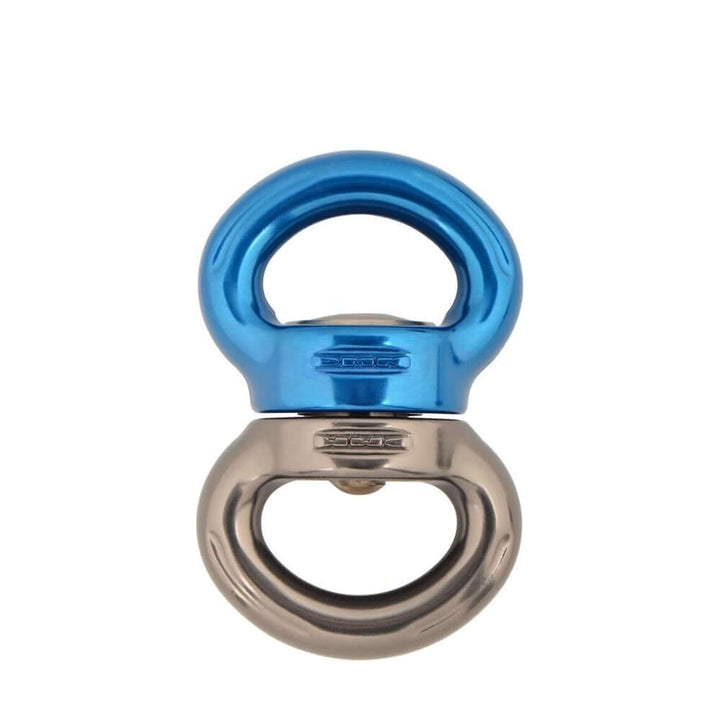
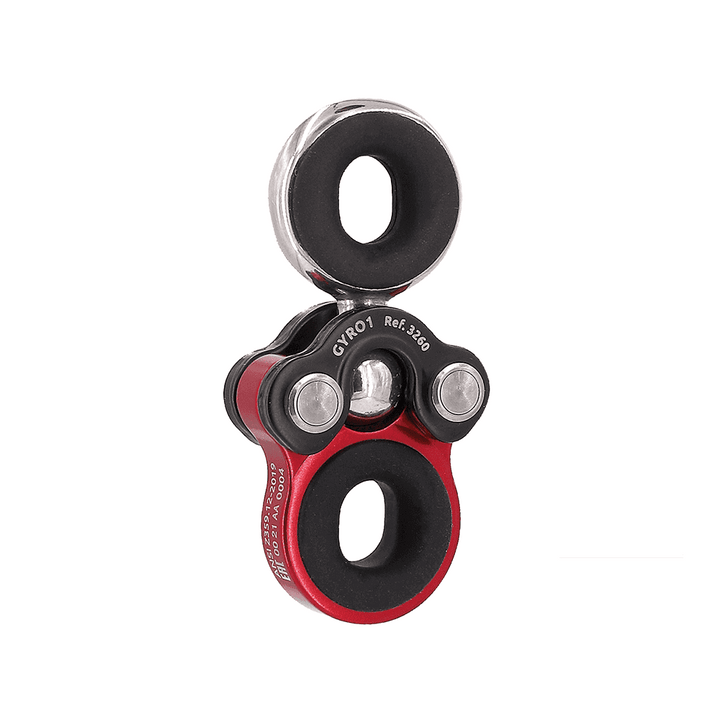
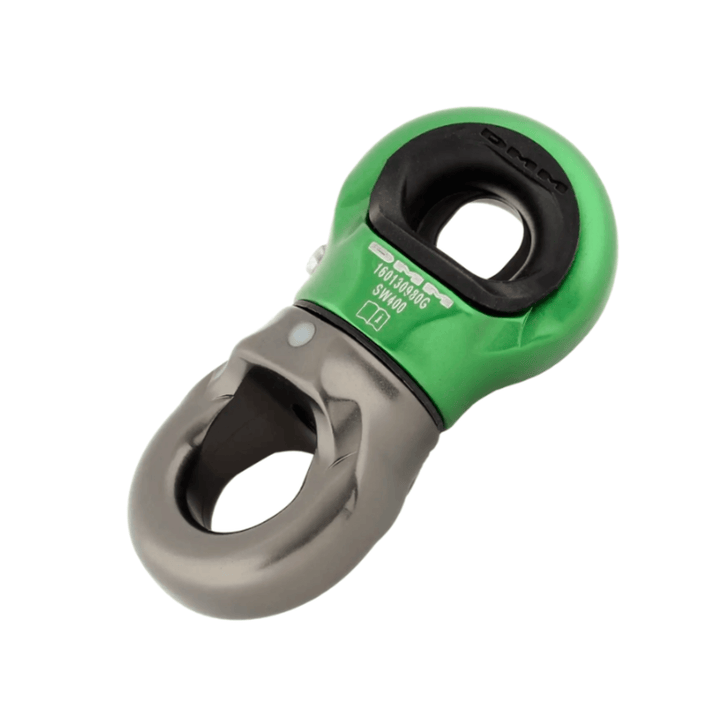
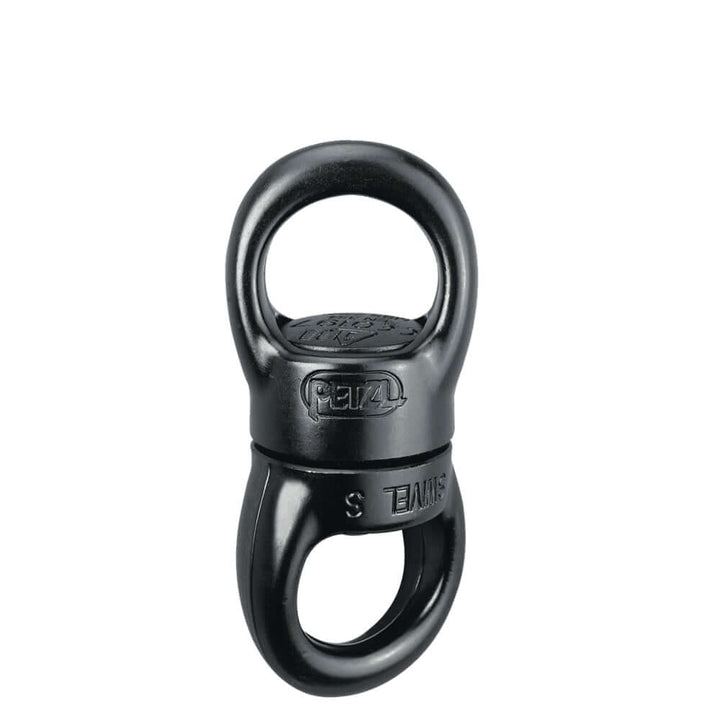
Climbing swivels prevent rope twist in SRT systems and allow timber sections to rotate freely during rigging. This guide covers ball-bearing vs bushing designs, the DMM Director and Swivel Boss, Rock Exotica and Petzl swivels, and how to choose the right swivel and load rating for climbing and rigging applications.
Why Arborists Use Climbing Swivels
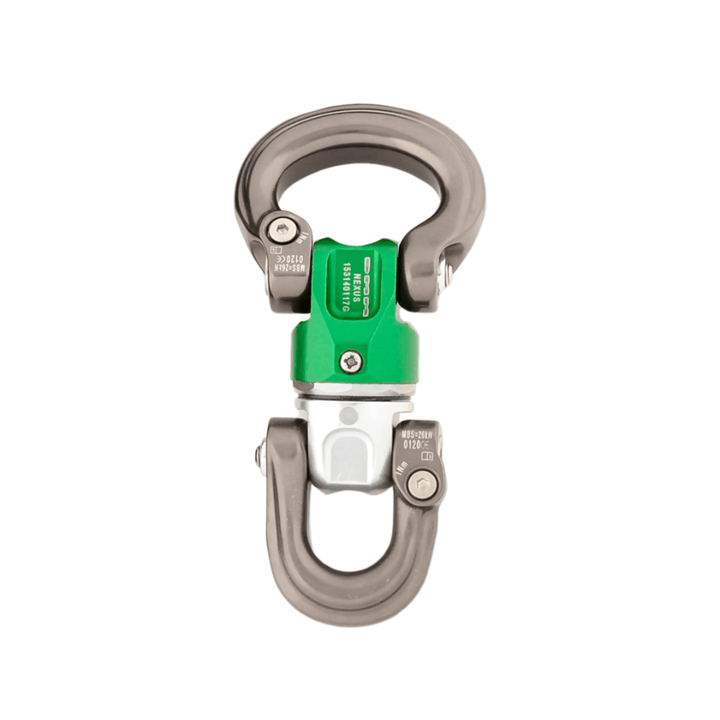
A climbing swivel is a rotating connector placed in a climbing or rigging system to allow rope, lanyard or load to rotate freely without transferring twist to the climber or system components. In SRT climbing, rope twist accumulates as the climber ascends and descends - a swivel at the saddle connection point allows the twist to dissipate without affecting the climber's body position. In rigging, a swivel below the lowering anchor allows timber sections to rotate during descent without spinning the rope or tangling the lowering system.
Ball-Bearing vs Bushing Swivels
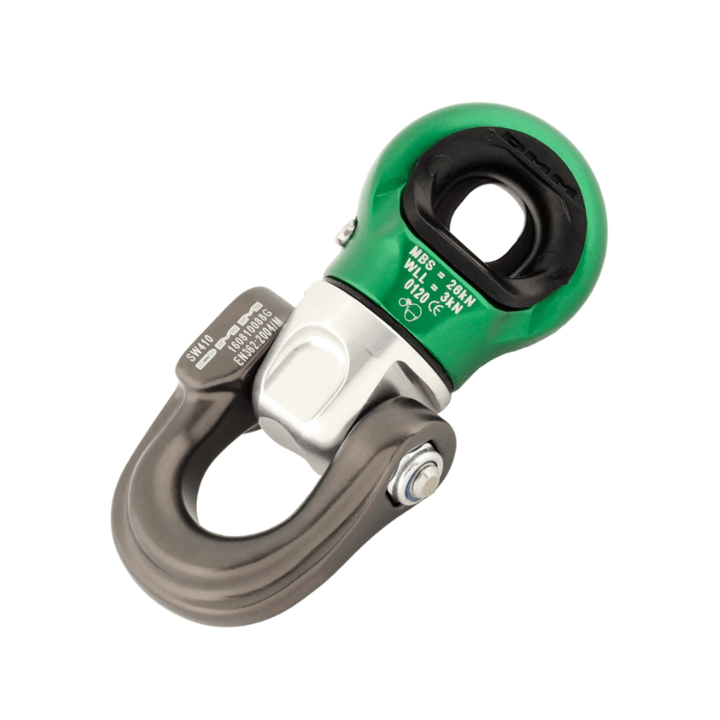
Ball-bearing swivels use precision steel ball bearings between the rotating elements, providing smooth, low-friction rotation even under load - the preferred choice for SRT climbing where the swivel must rotate freely during active use. Bushing swivels use a simpler bearing surface and rotate more freely when unloaded but with more friction under load - suited to rigging applications where rotation happens gradually rather than continuously. For professional arborists doing daily SRT climbing, a ball-bearing swivel provides noticeably better performance and longer service life.
DMM Swivels
DMM is a Welsh manufacturer producing two widely used professional arborist swivels. The DMM Director is a ball-bearing swivel with two connector slots - allowing the swivel to be positioned between two system components without additional carabiners. The DMM Swivel Boss is a more compact ball-bearing swivel designed as an in-line connector between the saddle and the climbing rope or device. Both models are manufactured in Wales to ISO 9001 standards and are rated to the working loads required for professional arborist SRT and rigging applications.
Rock Exotica and Petzl Swivels
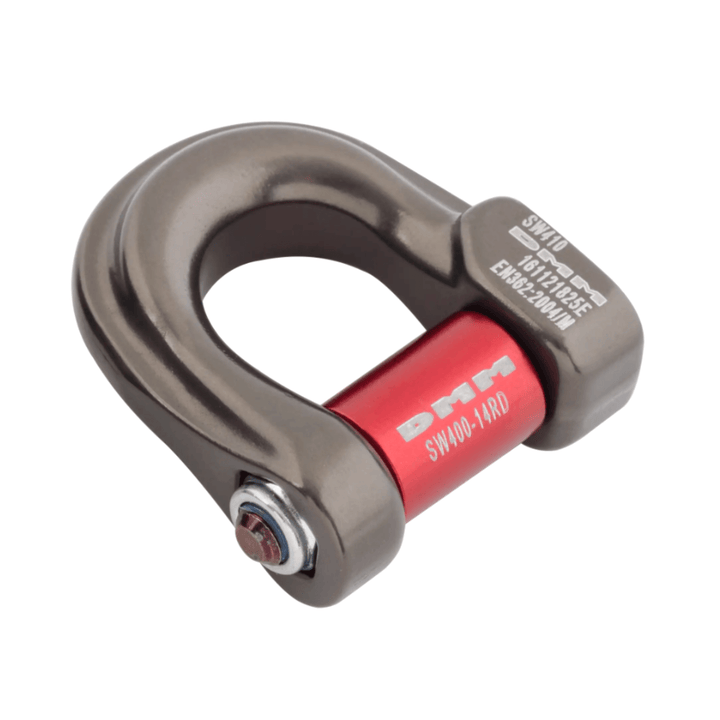
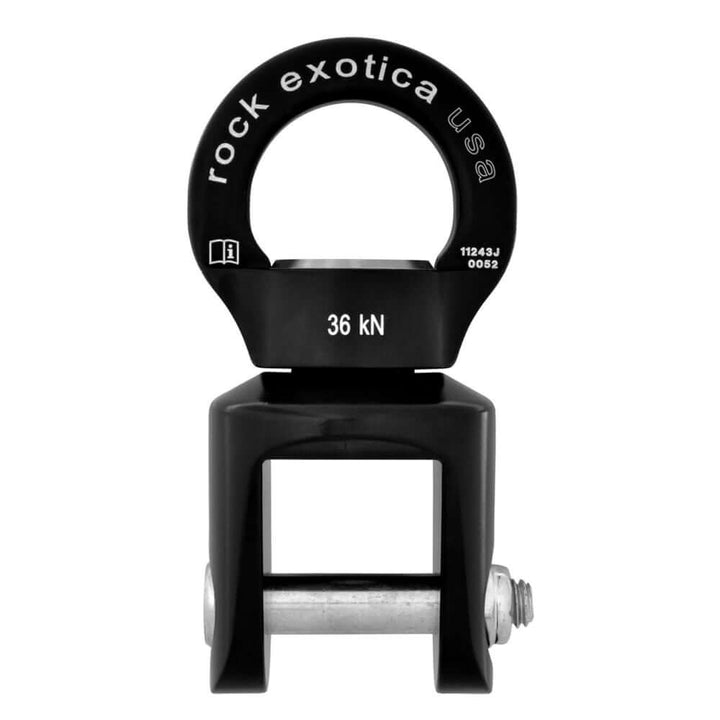
Rock Exotica produce the Shackle Swivel - a ball-bearing swivel with a shackle-style connector for direct rope attachment without a separate carabiner, widely used in SRT systems. Petzl produce the Petzl Ball-Bearing Swivel for use in their integrated climbing systems, designed for use with the Petzl Zigzag and Chicane descent devices. CAMP produce compact swivel options suited to lighter-duty arborist applications. All swivel brands at Gustharts are compatible with standard EN 362 carabiners for system integration.
Swivels for SRT Climbing
In SRT (Single Rope Technique) climbing, rope twist is the primary reason arborists use a swivel. As the climber moves up and down on a fixed rope, the rotation of mechanical devices and the climber's body accumulates twist in the rope above the anchor. A ball-bearing swivel placed between the SRT device and the saddle, or between the rope and the anchor, allows this twist to dissipate continuously rather than building to the point of affecting climbing performance or rope handling.
Swivels for Rigging
In tree rigging, a swivel below the rigging anchor or above the load allows a timber section to rotate freely during descent without spinning the rigging rope. Without a swivel, large timber sections can rotate during lowering and generate twist that runs up through the rigging system, causing rope kinking and making the system harder to control. Rigging swivels must be rated to the working load limits of the rigging system in use - always verify the swivel WLL against the maximum anticipated load before use in a rigging application.
Climbing Swivel Load Ratings and Standards
Climbing swivels are rated in kN for both major axis load (in line with the connector) and rotation load capacity. Most professional arborist swivels carry a major axis rating of 20-40kN. Swivels used in climbing systems must be compatible with EN 362 certified connectors at both connection points. In rigging applications, the swivel WLL must be matched to the heaviest anticipated timber section weight with an appropriate safety factor. Never use a non-rated swivel or a fishing swivel in a climbing or rigging system - rated swivels display their kN certification on the body.
Pairs Well With
- SRT Equipment — Rope Wrench, Petzl Zigzag and Akimbo devices
- Carabiners & Connectors — EN 362 certified connectors for swivel systems
- Arborist Rigging Equipment — ropes, pulleys and lowering devices
- Climbing Harness Accessories — saddles for SRT and DRT climbing
- Tree Climbing Ropes — SRT and DRT lines from Teufelberger and Courant