


Top Picks
Buyer's Guide
Friction Savers & Cambium Savers Buyer's Guide
A friction saver — also called a cambium saver or rope saver — protects the tree bark and your climbing rope at the anchor point. This guide covers ring-to-ring vs textile designs, adjustable vs fixed length, the difference between climbing and rigging applications, and the Teufelberger, STEIN and Petzl ranges at Gustharts.
What is a Friction Saver? (Also Called a Cambium Saver)
A friction saver - also called a cambium saver or rope saver - is a device placed in the tree crotch at the climbing anchor point, allowing the climbing rope to run through it rather than directly over the bark. This protects both the tree bark (cambium) from rope abrasion and the rope itself from bark wear. A friction saver also creates a smoother, lower-friction running surface than bark alone, improving rope movement during climbing. They are used for climbing rope installation anchors and rigging anchor points alike.
Ring-to-Ring Friction Savers
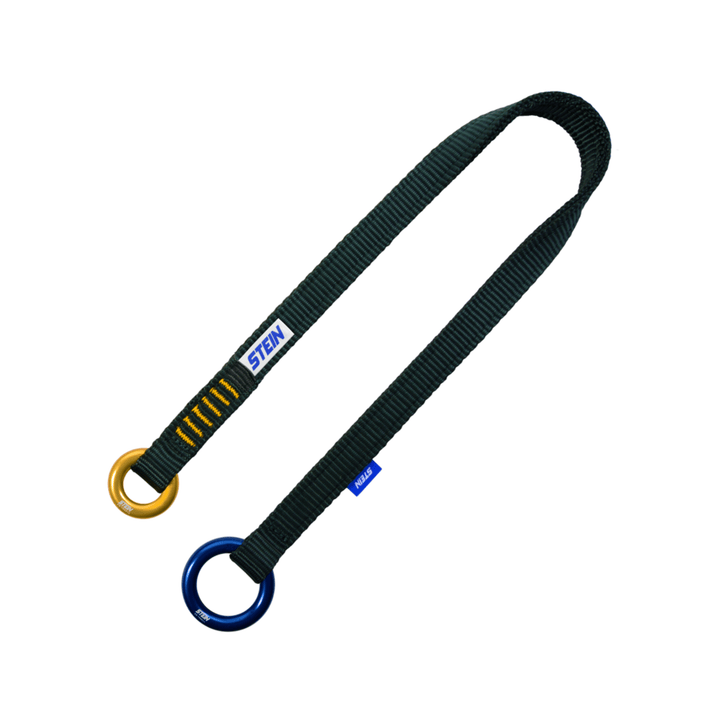
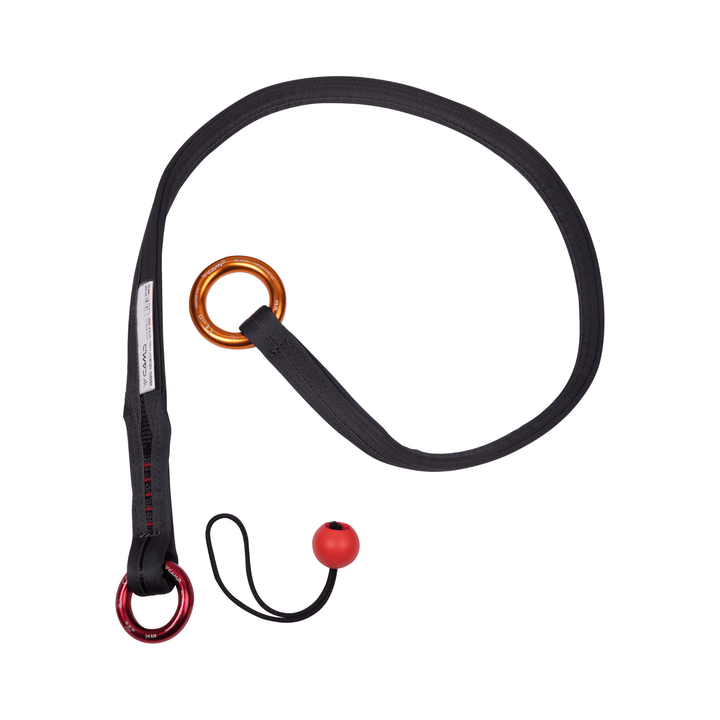
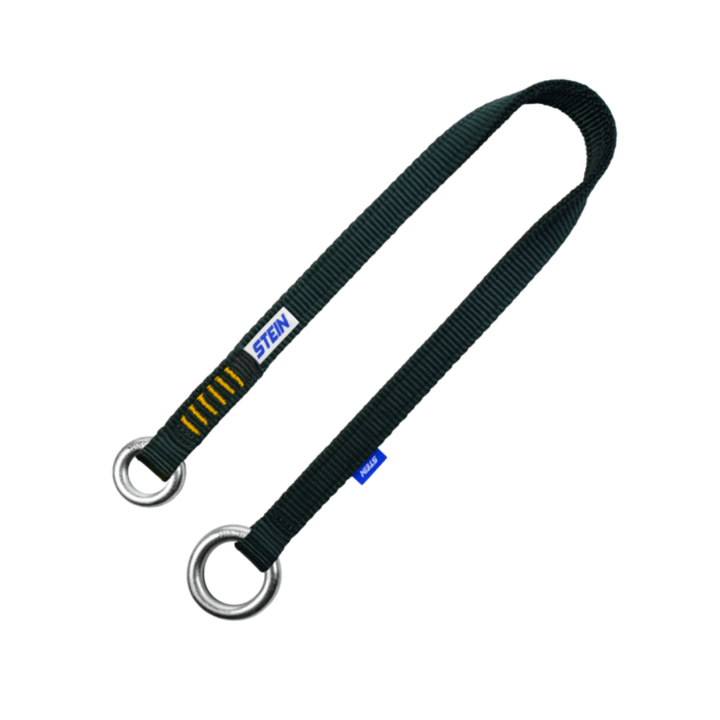
A ring-to-ring friction saver uses two steel rings connected by a textile sleeve - one ring stays in the crotch and the climbing rope runs through the second ring. The steel rings provide a smooth, durable running surface for the rope and are resistant to bark abrasion. Ring-to-ring designs are the most widely used friction saver type in professional UK arboriculture, available in fixed lengths and adjustable strap designs. ISC, DMM and STEIN produce ring-to-ring friction savers stocked at Gustharts.
Adjustable Cambium Savers
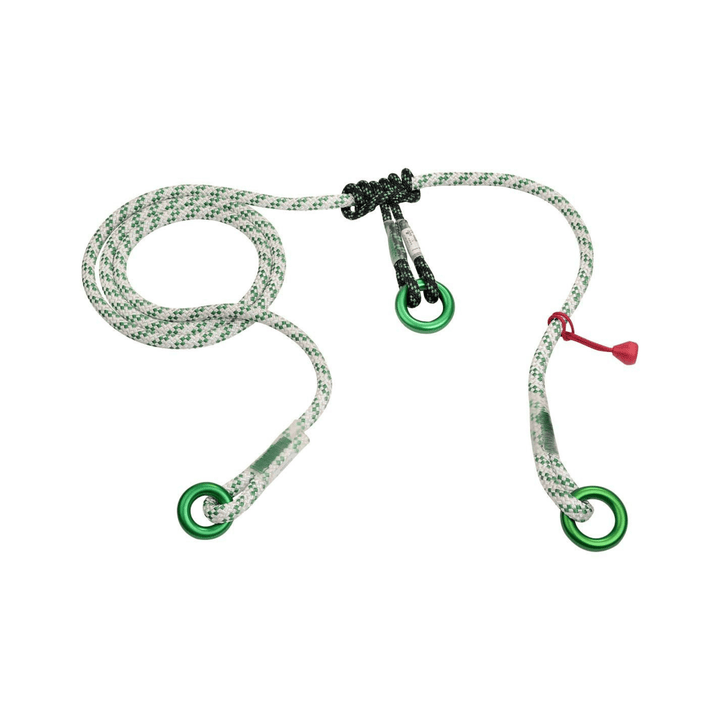
An adjustable cambium saver uses a sliding mechanism on the connecting strap to vary the distance between the two rings, allowing the arborist to position the lower ring at the correct working height for the specific crotch geometry in use. This is particularly useful in tight crotches or where the natural branch angle would cause a fixed-length friction saver to sit incorrectly. Teufelberger and STEIN produce adjustable cambium savers at Gustharts, compatible with both climbing and rigging applications.
Textile vs Steel Ring Friction Savers
Textile friction savers use a continuous textile sleeve rather than metal rings as the rope-running surface. They are lighter and more flexible than ring-to-ring designs, conforming to irregular branch shapes more easily. Steel ring designs provide a lower-friction running surface, longer wear life in high-cycle use and easier retrieval when the arborist descends. For professional arborists installing and removing friction savers multiple times daily, a steel ring-to-ring design is generally preferred for its durability and consistent performance.
Teufelberger, STEIN and Petzl Friction Savers
Teufelberger produce the most widely used cambium savers in UK arboriculture, including adjustable ring-to-ring designs in multiple lengths. STEIN produce a professional cambium saver range built for daily UK arborist use, with heavy-duty textile and steel ring options. Petzl produce the Petzl Fixe friction saver - a steel ring design optimised for use with Petzl pulleys in integrated climbing systems. All brands are stocked at Gustharts with fast UK delivery and free delivery on orders over £75.
Friction Savers for Climbing vs Rigging
For climbing anchor points, a friction saver reduces rope wear during ascent and descent cycling - protecting both the rope and tree. For rigging anchor points, a friction saver must be rated to the higher working load limits generated by timber rigging loads. Not all climbing friction savers are rated for rigging applications - always check the WLL of the friction saver against the anticipated rigging load. Dedicated rigging anchor sleeves and friction savers with higher WLL ratings are available at Gustharts for rigging-specific anchor applications.
Inspecting and Replacing Friction Savers
Inspect friction savers before each use for: cuts or abrasion on the textile sleeve; corrosion, distortion or sharp edges on steel rings; stitching failure at the ring connections; and UV degradation of the textile material. Replace any friction saver showing damage to the textile core, sharp edges on steel rings (which will damage the climbing rope), or stitching failure at load-bearing connections. In high-cycle professional use, cambium savers should be retired on a time-based schedule aligned with the manufacturer's recommended service life regardless of visible condition.
Pairs Well With
- Tree Climbing Ropes — SRT and DRT lines from Teufelberger and Courant
- Arborist Rigging Equipment — ropes, pulleys and lowering devices
- Arborist Pulleys — climbing and rigging pulleys from DMM and Petzl
- Carabiners & Connectors — certified connectors for anchor systems
- Tree Climbing Kits — complete SRT and DRT starter systems