


Top Picks
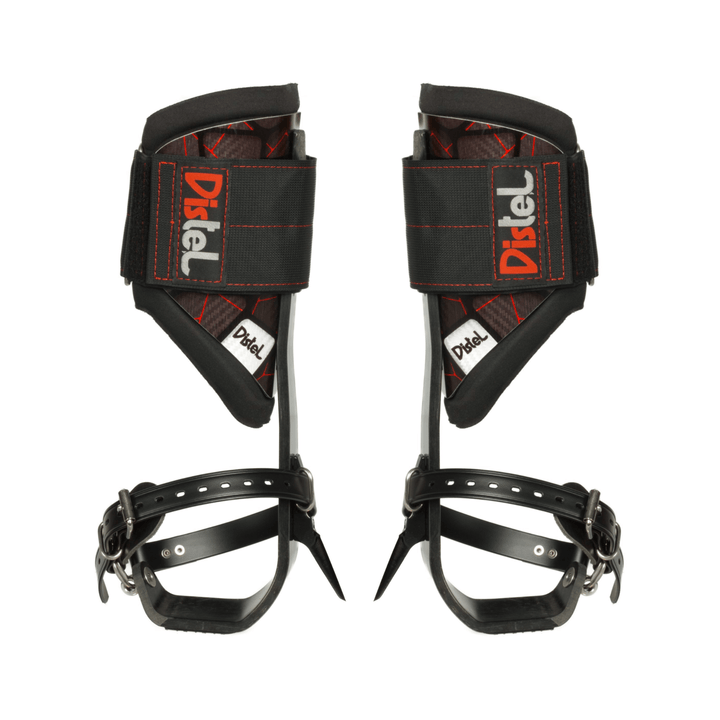
Carbon 3.1 Leather Climbing Spikes Short Gaff
$705.00
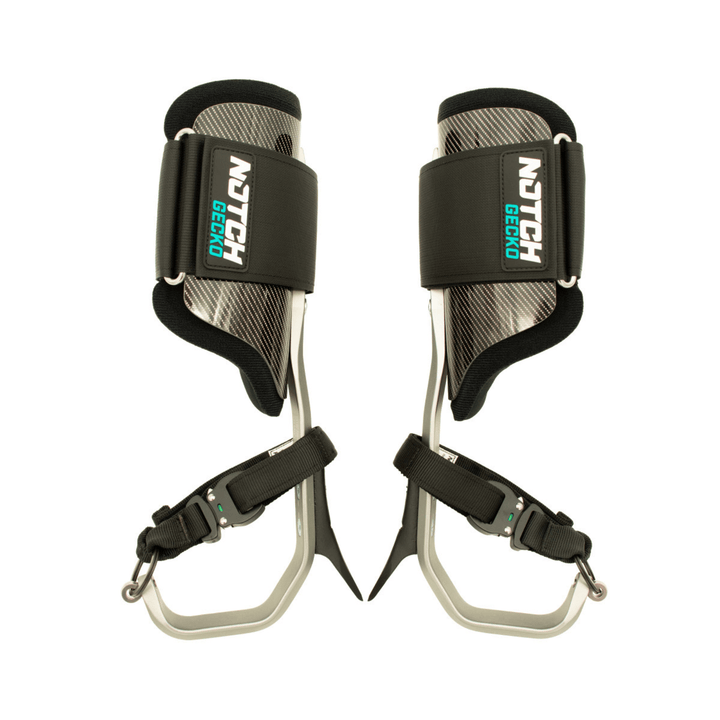
Gecko 3.0 Aluminium Tree Climbing Spikes
$648.00
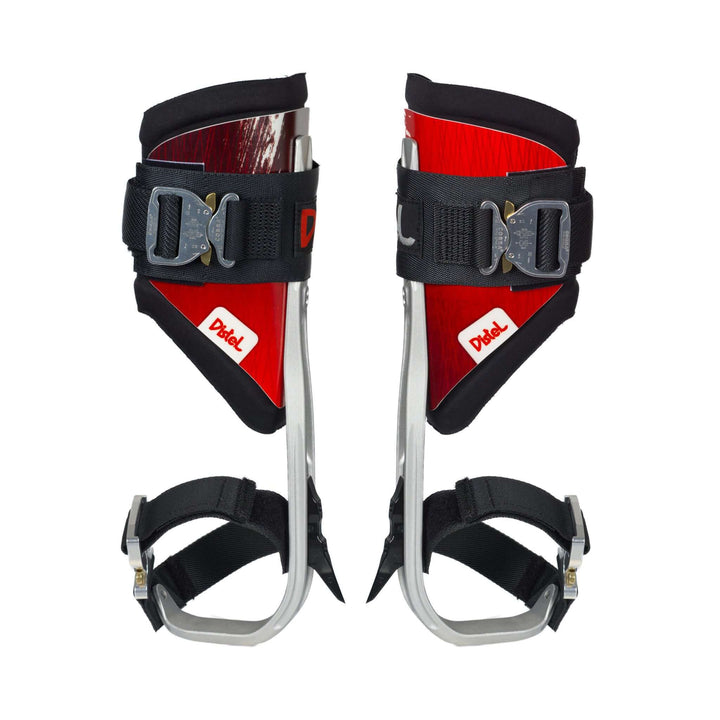
Aluminium 3.1 Climbing Spikes Click
$497.00
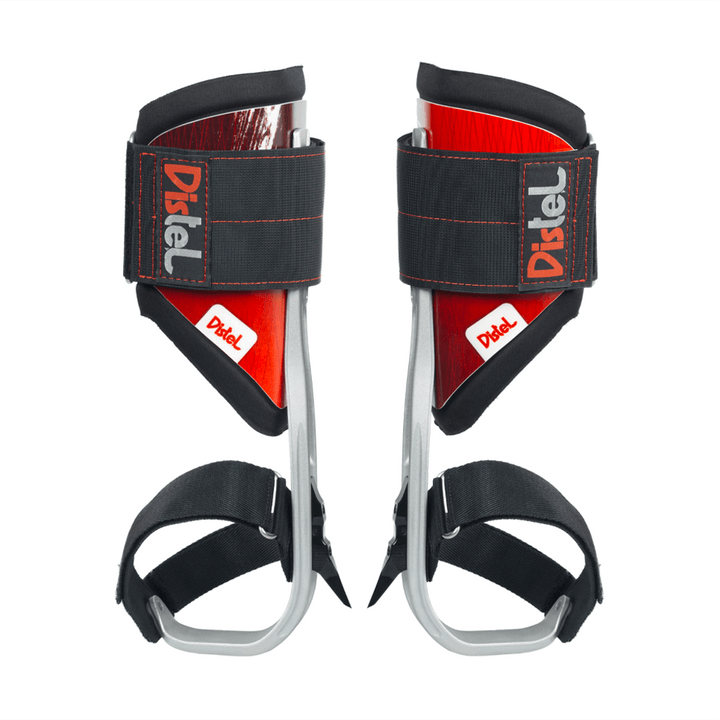
Aluminium 3.1 Velcro Climbing Spikes Short Gaff
$405.00
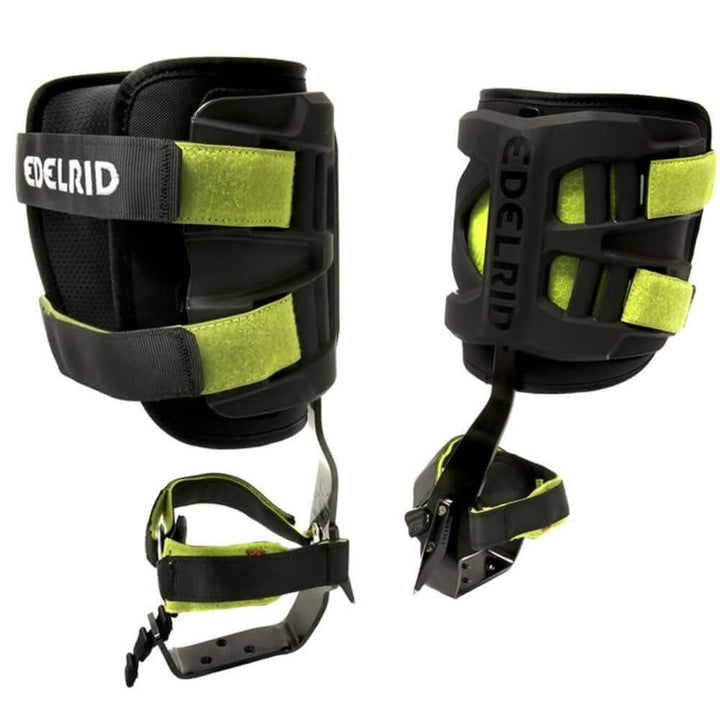
Talon Tree Climbing Spikes
$380.00
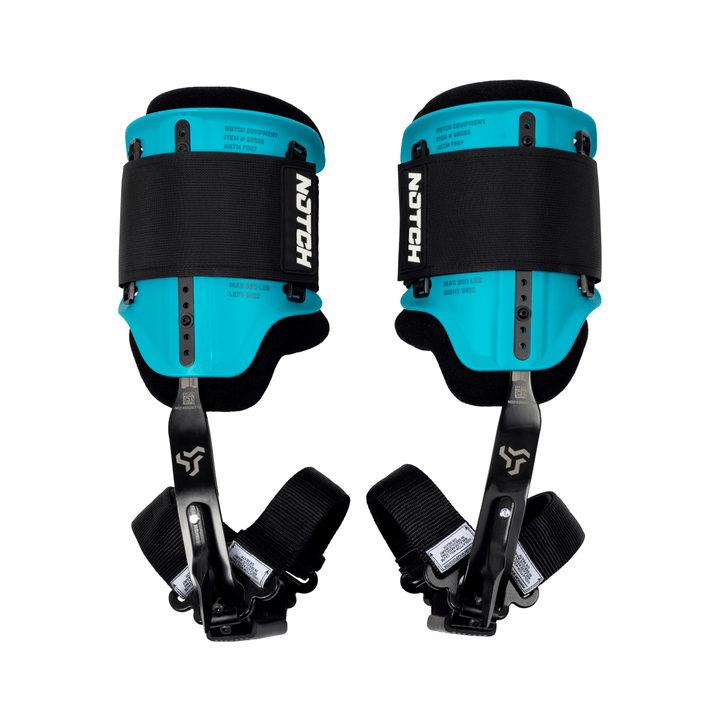
Steel Climbers
$405.00
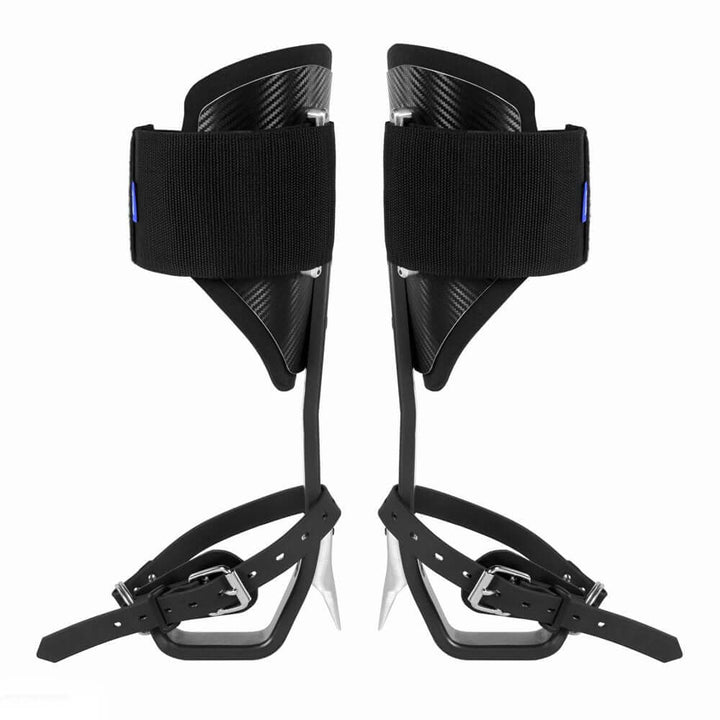
ELEVATE Tree Climbing Spikes Black
$366.00
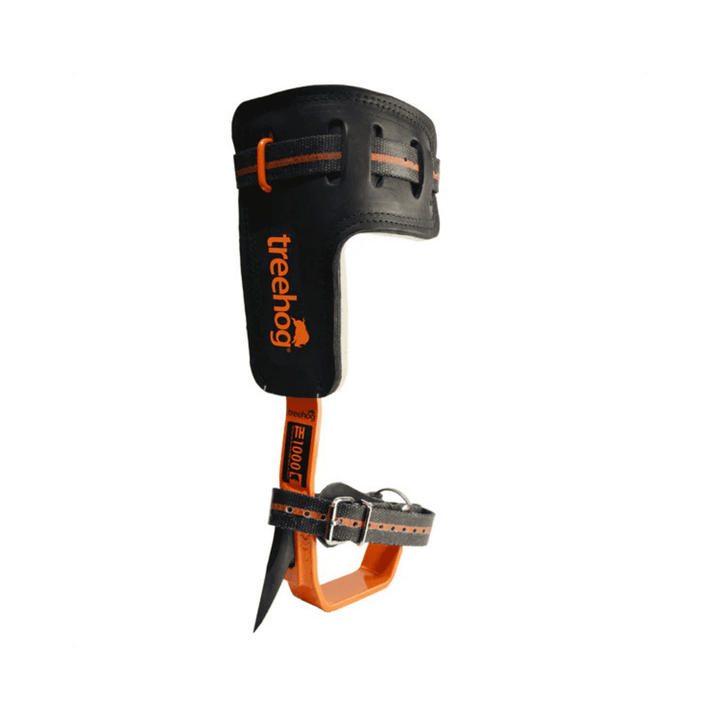
Steel Tree Climbing Spikes TH1000
$281.00
Buyer's Guide
Tree Climbing Spikes & Spurs Buyer's Guide
Tree climbing spikes — also called climbing spurs or tree spurs — are the essential arborist tool for removal and dismantling operations. This guide covers when to use spikes, the difference between Distel and Bashlin, aluminium vs steel leg irons, replacement gaffs and correct fitting.
What Are Tree Climbing Spikes?
Tree climbing spikes - also called climbing spurs, tree spurs or arborist spikes - are steel-pointed attachments that strap to the lower leg and boot, allowing an arborist to ascend a tree trunk by spiking into the bark. The gaff (the pointed spike element) penetrates the bark with each step, giving secure footing during ascent and descent. Climbing spikes are available in aluminium leg irons for lightweight performance and heavy-duty steel for demanding daily professional use.
When to Use Climbing Spikes - The Removal Rule
Climbing spikes are used exclusively for tree removal and dismantling operations - never for pruning or maintenance work on living trees. Spikes penetrate the cambium layer of the bark, creating wounds that invite disease and pest entry. Using spikes on a tree that is to be retained causes lasting damage and is considered poor arboricultural practice. For climbing living trees for pruning and maintenance, always use a rope climbing system without spikes. Spikes are legitimate professional tools for removal work only.
Distel Climbing Spikes
Distel is a leading European manufacturer of professional arborist climbing spikes, widely used by UK tree surgeons for removal and felling operations. Distel spikes are available in aluminium and steel leg iron configurations with replaceable gaffs - the consumable spike point that dulls with use and can be replaced without replacing the whole spike unit. Gustharts stocks Distel climbing spikes and Distel replacement gaffs for all current models, with fast UK delivery.
Bashlin Climbing Spikes
Bashlin is a long-established American manufacturer of professional tree climbing spikes, trusted by arborists and utility climbers worldwide. Bashlin climbing spikes feature heavy-duty aluminium leg irons with precision-machined gaff holders and a wide range of compatible gaffs for different bark types. Bashlin spikes are known for their robust construction, comfortable fit and the availability of a comprehensive replacement parts and accessory range. Gustharts stocks Bashlin climbing spikes and accessories for the UK arborist market.
Aluminium vs Steel Climbing Spikes
Aluminium climbing spikes are lighter, reducing leg fatigue during extended ascents on tall trees and multiple climbs per day. Steel climbing spikes are heavier but more resistant to deformation under heavy lateral loading - preferred by heavier climbers and for demanding daily professional use. Most professional arborists use aluminium spikes for routine work; steel spikes for high-loading or specialist utility climbing applications. Both materials accept the same range of replacement gaffs in standard arborist and utility gaff profiles.
Spike Gaffs, Straps and Replacement Parts
Climbing spike gaffs are consumable items that dull with use and should be replaced rather than re-sharpened when penetration becomes difficult. To replace a Distel gaff: 1. Loosen the gaff retaining bolt on the leg iron. 2. Slide the worn gaff out of the holder. 3. Insert the replacement gaff and align with the holder slot. 4. Tighten the retaining bolt to the manufacturer's torque specification. Climbing spike straps should be inspected for cracking and stitching failure at each use - replace any strap showing visible damage.
Fitting and Adjusting Climbing Spikes Correctly
Climbing spikes must be correctly fitted to the boot and lower leg before use. The leg iron should sit snug against the shin with the gaff positioned at the correct angle for bark penetration - typically 90 degrees to the boot sole. Straps should be firm but not restricting circulation. The instep strap keeps the spike positioned during ascent; the top strap prevents the leg iron rotating under load. Always wear robust ankle-high boots when using climbing spikes - the boot provides the primary lateral support for the leg iron during climbing.
Pairs Well With
- Tree Climbing Ropes — SRT and DRT climbing lines for arborists
- Climbing Harness Accessories — saddles and harnesses for tree surgery
- Chainsaw Helmets — certified helmets with visor and ear protection
- Chainsaw Boots — EN ISO 17249 certified ankle-high boots for climbing
- Chainsaws — STIHL top-handle and rear-handle models for removal work