

Buyer's Guide
Rock Exotica LC1 Enforcer Load Cell Buyer's Guide
Estimating rigging loads by experience works until a complex, multi-point setup makes the actual forces hard to judge — and on a high-risk dismantle, that's exactly when precise data matters most. The LC1 Enforcer load cell measures load in real time, in-line on the rigging system, so tension can be checked directly against safe working limits rather than assumed.
What the LC1 Enforcer Measures
The Rock Exotica LC1 Enforcer measures load in real time, in-line on the rigging system itself, giving an actual force reading rather than an estimate based on experience. It's built by Rock Exotica, a US manufacturer known for precision in safety-critical rigging equipment, and comes supplied with a protective carry case.
How It Fits Into a Rigging System
The Enforcer rigs in-line between the anchor and the load, so tension can be checked directly against a device or rope's rated working load limit rather than assumed from experience. On a complex, multi-point setup where forces are genuinely hard to judge, real-time data replaces guesswork exactly when a high-risk dismantle needs it most.
Enforcer Load Cell Case
A replacement Enforcer Load Cell Case is available separately for crews who need a spare or have damaged the original — keeping the unit protected in transport and storage helps preserve its calibration accuracy over repeated use.
When to Use a Load Cell
A load cell earns its place on jobs where the margin for error is genuinely tight: heavy, multi-point negative rigging, dismantles near structures or services, or any setup where exceeding a rated working load would have serious consequences. For routine single-point lowers within familiar limits, experience and a conservative safety margin are usually enough — save the Enforcer for the jobs where precise data changes the decision you make.
Pairs Well With
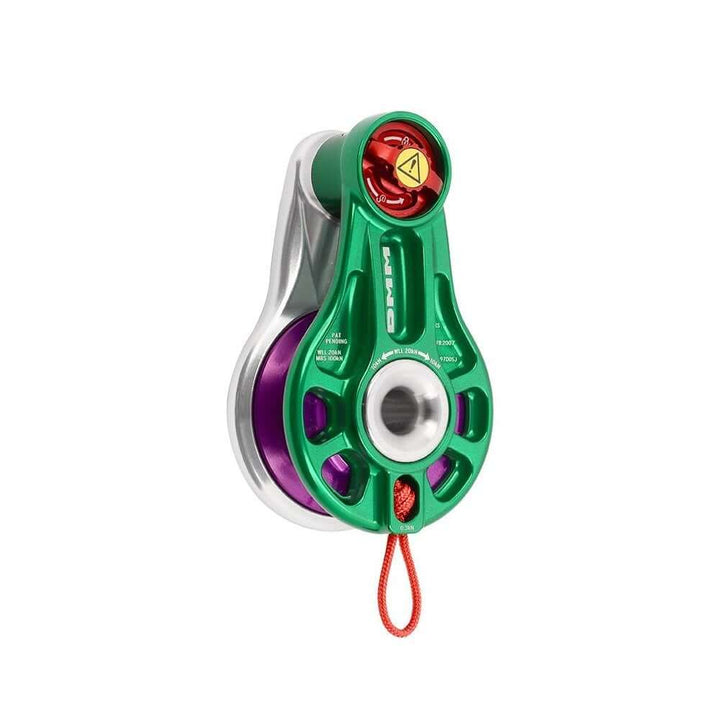
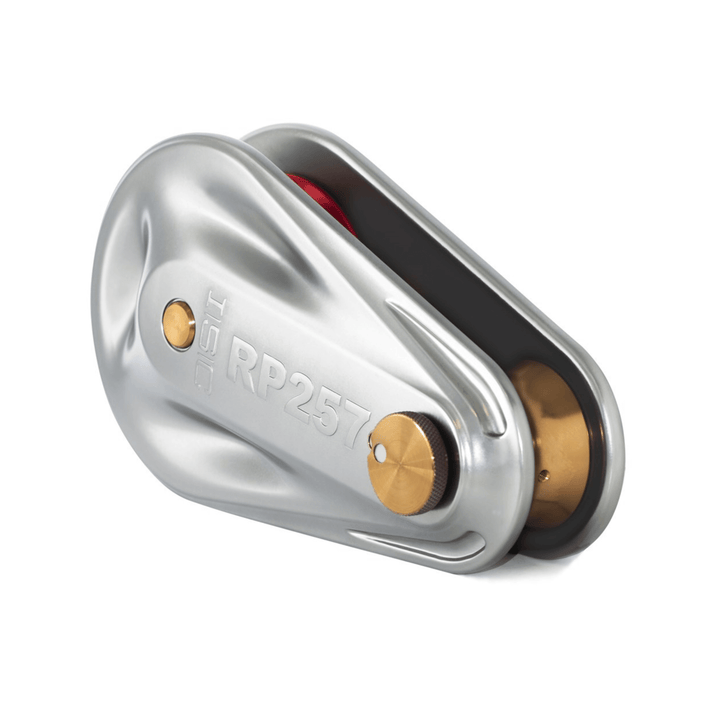
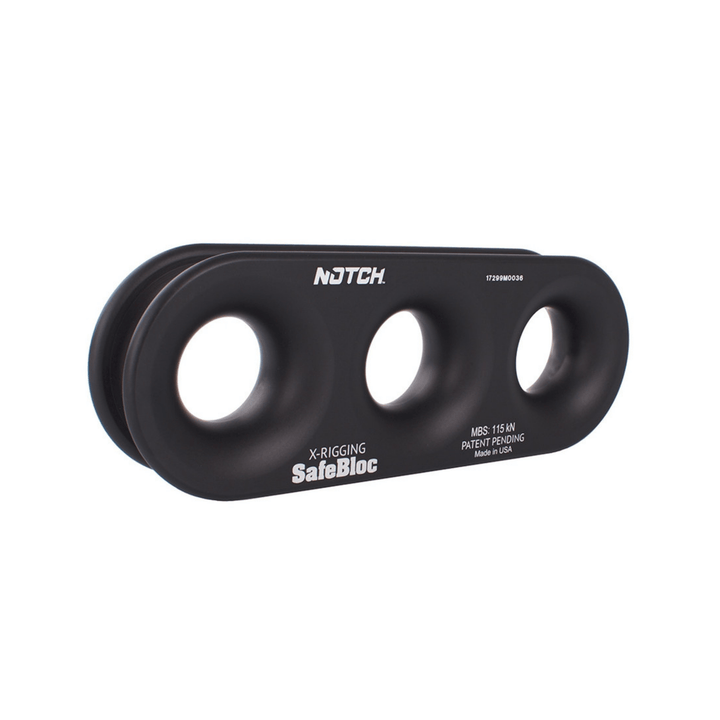
- Rigging Equipment — pulleys, slings and hardware to complete a full rigging setup
- Lowering Devices — bollards, portawraps and capstans to control a rigged descent
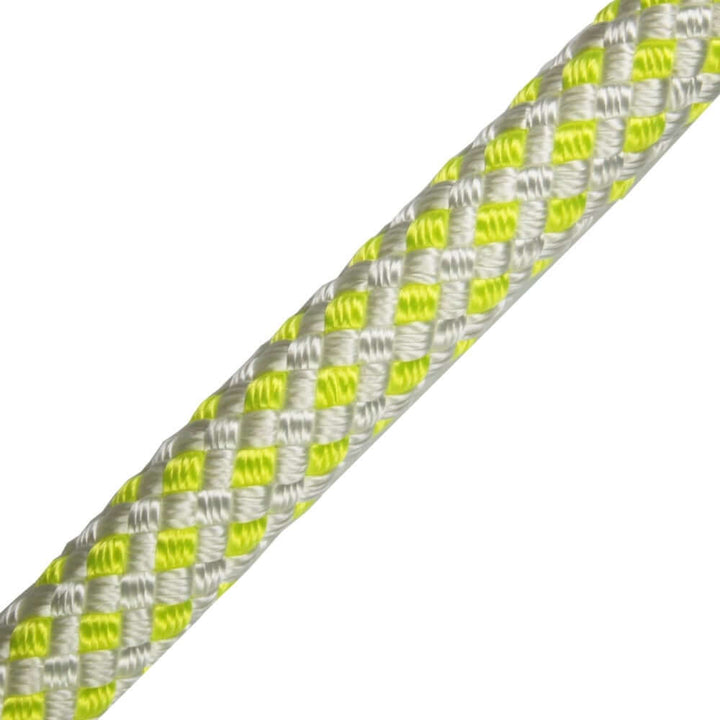
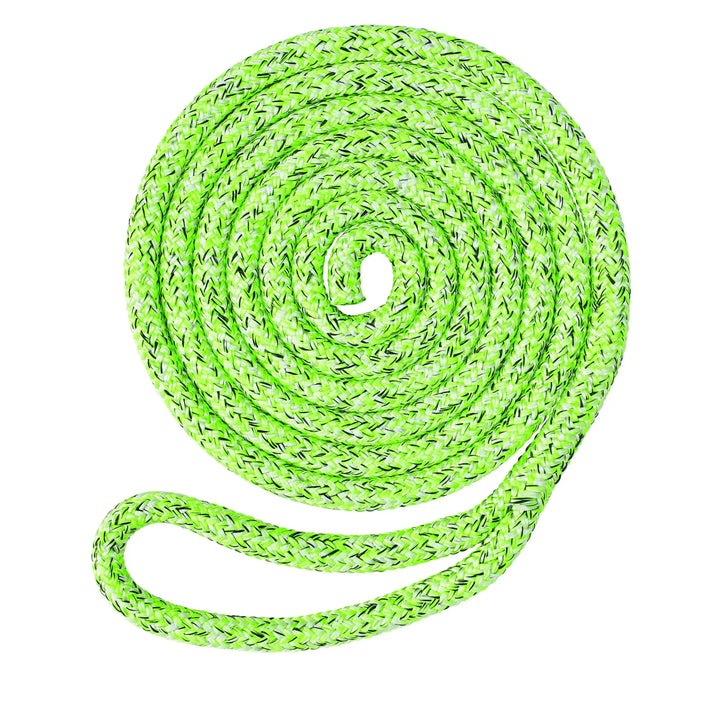
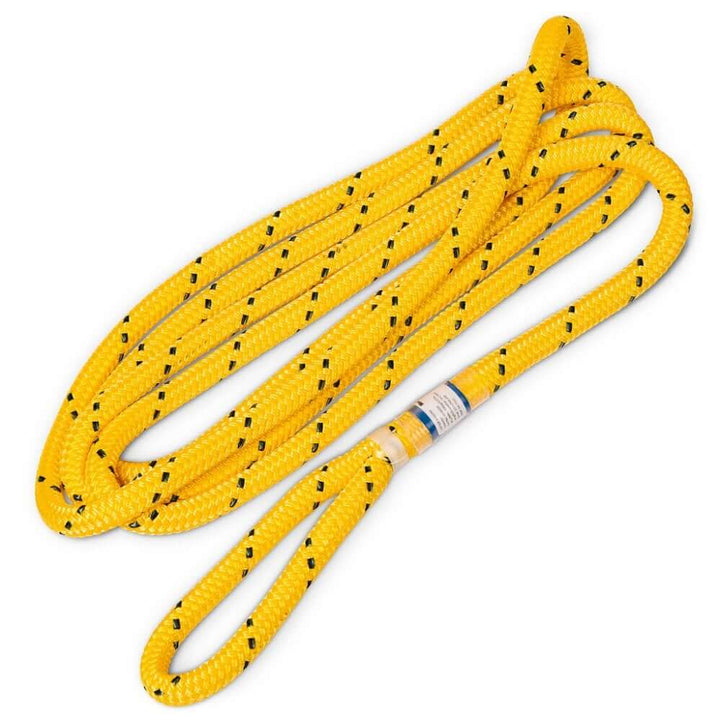
- Rigging Rope — 10-20mm rigging rope built for friction and shock load
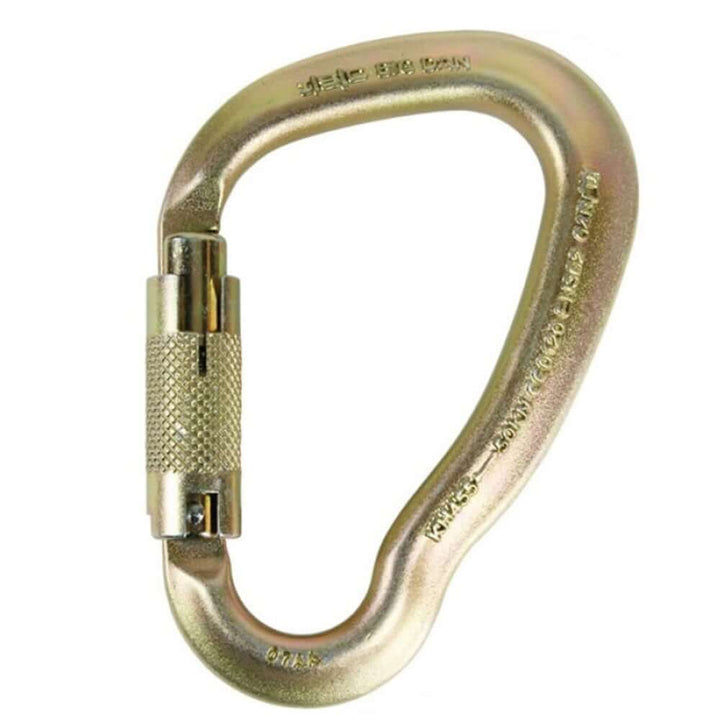
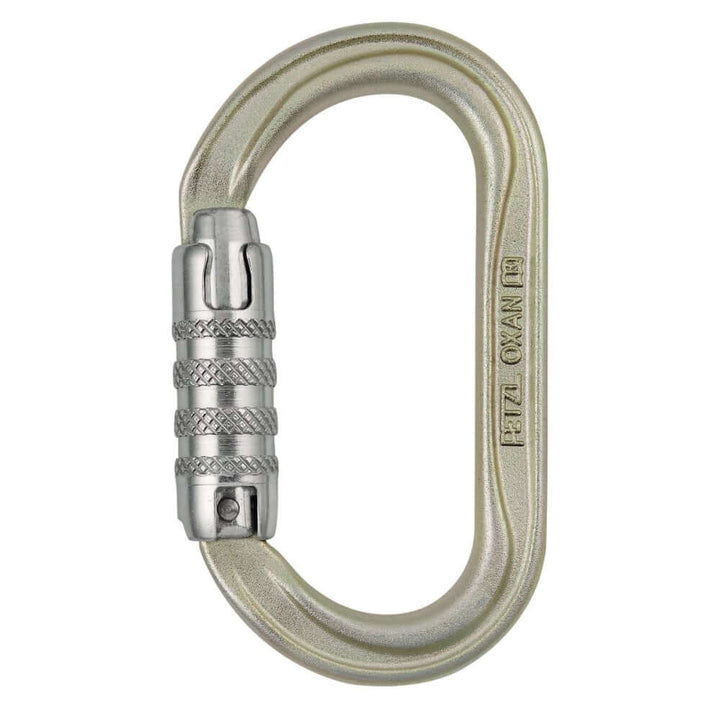
- Rigging Karabiners & Connectors — steel hardware rated for rigging shock loads