

Buyer's Guide
Non-Protective Work Boots Buyer's Guide
Chainsaw cut protection adds real weight and cost that yard work and general maintenance don't need. This guide covers S3 safety ratings, leather vs Gore-Tex construction, and when it's actually worth stepping up to chainsaw-rated footwear instead.
When You Don't Need Chainsaw-Rated Boots
Chainsaw cut protection adds real cost and weight to a boot, unnecessary for yard work, gardening and general site maintenance where that specific risk doesn't apply. These boots skip the chainsaw-rated layers in favour of a lighter, more comfortable build for tasks that don't put you near a running saw.
S3 Rating: Steel Toe & Waterproofing
S3 certification covers a steel or composite toe cap, penetration-resistant sole and water resistance — solid general safety protection for site work without any chainsaw-specific features. It's the standard rating to look for in a non-protective work boot doing everyday duty around cutting, digging or general handling tasks.
Leather vs Gore-Tex Construction
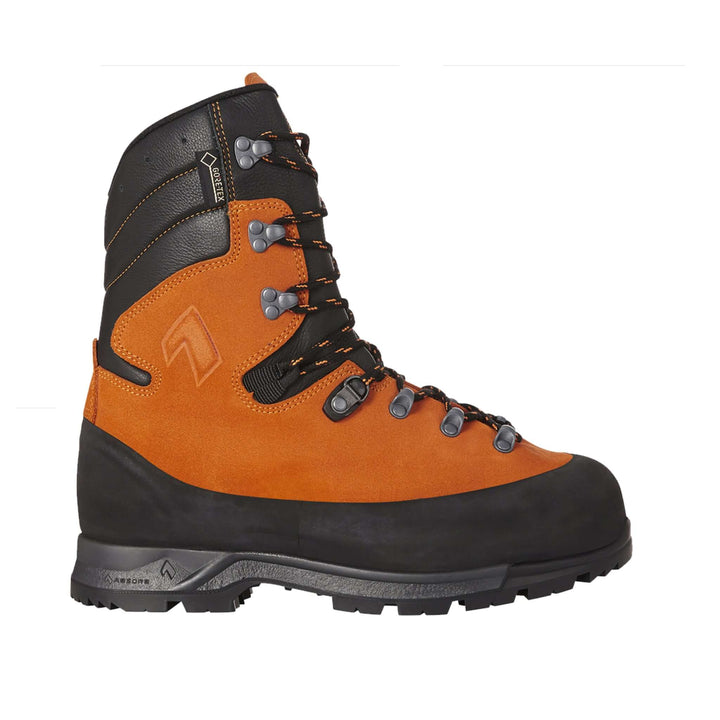
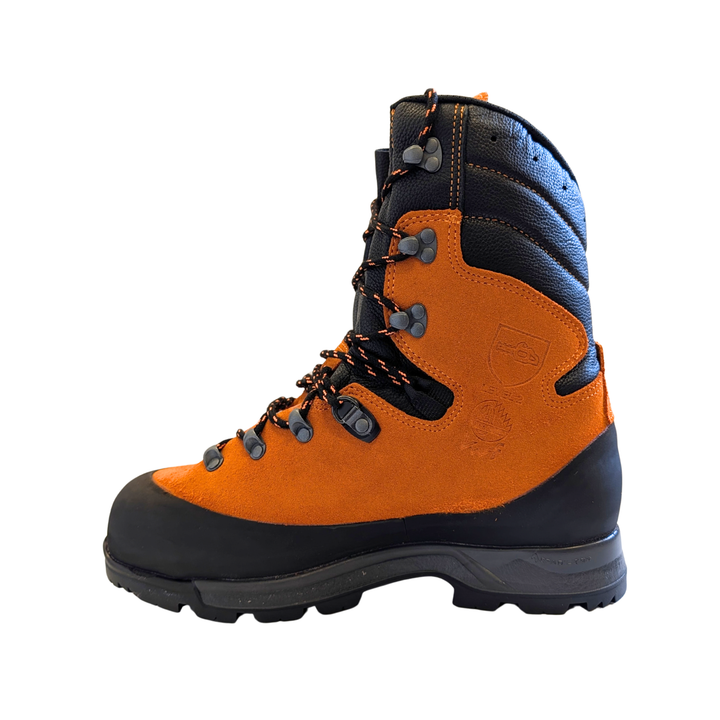
Leather boots (Boa Bau) are durable and mould to the foot over time, similar trade-offs to leather chainsaw boots. Gore-Tex options (Crispi Nevada) add breathable waterproofing that keeps feet drier over a full day without the boot feeling as stiff during break-in.
When to Step Up to Chainsaw-Rated Boots
If your role occasionally puts you near a running saw even if it's not your main task, it's worth considering a chainsaw-rated boot instead — the protection gap between S3 and chainsaw-certified footwear is significant, and "occasional" saw proximity is still real risk. See our Chainsaw Boots range if that describes your working day even part of the time.
Pairs Well With
Complete Your Kit