


Top Picks
Buyer's Guide
Arborist Lanyards & Fliplines Buyer's Guide
From wire core fliplines for spar and chainsaw work to rope lanyards for aerial pruning, mechanical adjusters and chainsaw tool tethers, this guide covers the full lanyard and positioning range at Gustharts — helping arborists choose the right lanyard type, construction and adjuster for every aerial operation.
Work Positioning Lanyards for Arborists
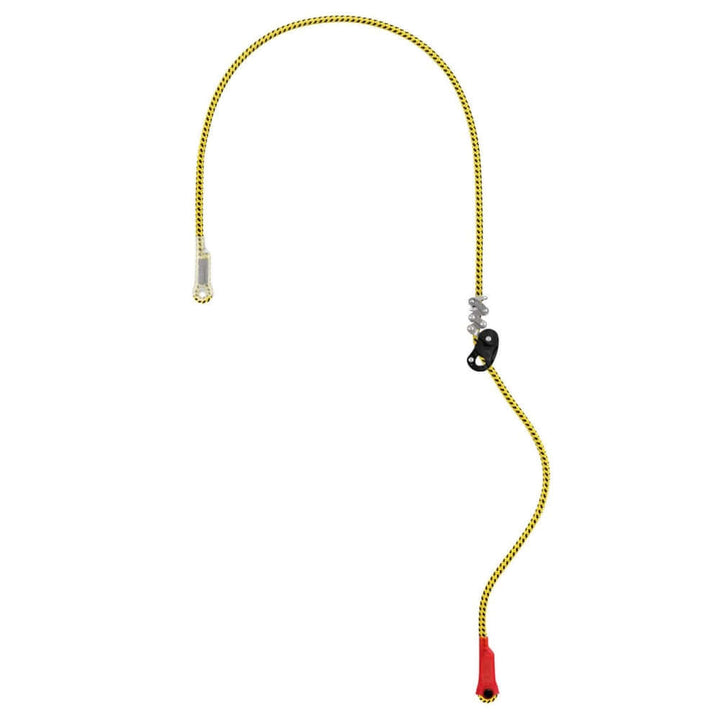
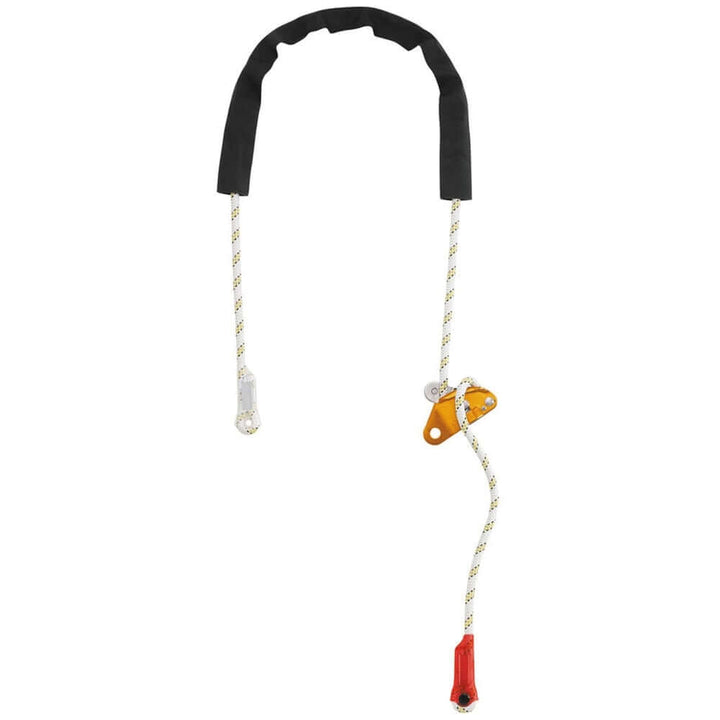
A work positioning lanyard is a secondary connection from the arborist's saddle to the tree, used for stability during cutting and repositioning in the canopy. The lanyard wraps around the trunk or a limb and is adjusted to hold the climber at the correct working position - freeing both hands for chainsaw or pruning operations. Lanyards are used alongside the primary climbing rope, not as a substitute for it. A correctly adjusted lanyard holds the climber securely against the tree while maintaining the ability to reposition quickly.
Wire Core and Steel Core Fliplines
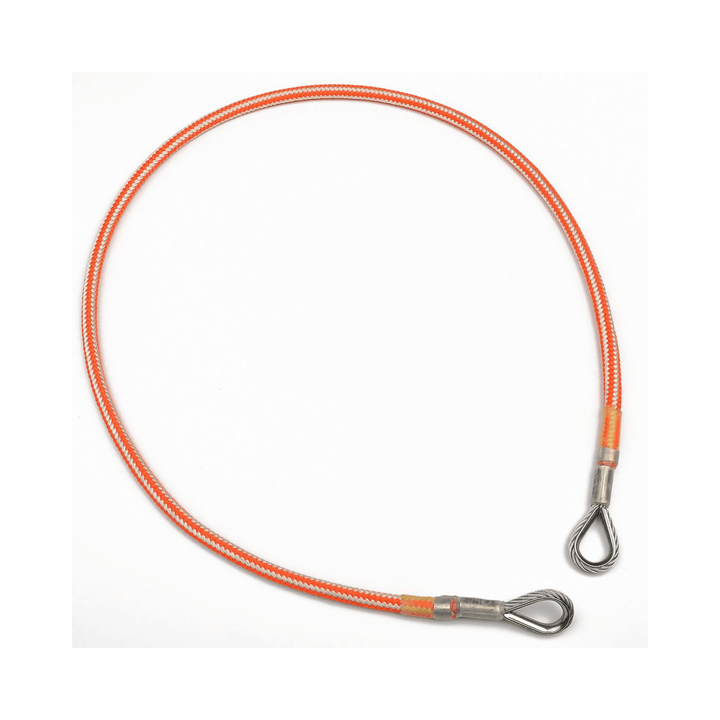
A wire core flipline - also called a steel core flip line - combines a steel cable inner core with a rope or textile outer sheath. The steel core prevents the flipline from being cut by a chainsaw during spar work and ground-level cutting operations where the lanyard may contact the saw. Wire core fliplines are the standard specification for arborists using a chainsaw at height. They are available in 11mm, 12mm and 13mm outer diameters with varying steel core constructions - 7x7 wire rope for flexibility or 1x19 for maximum cut resistance.
Rope Lanyards
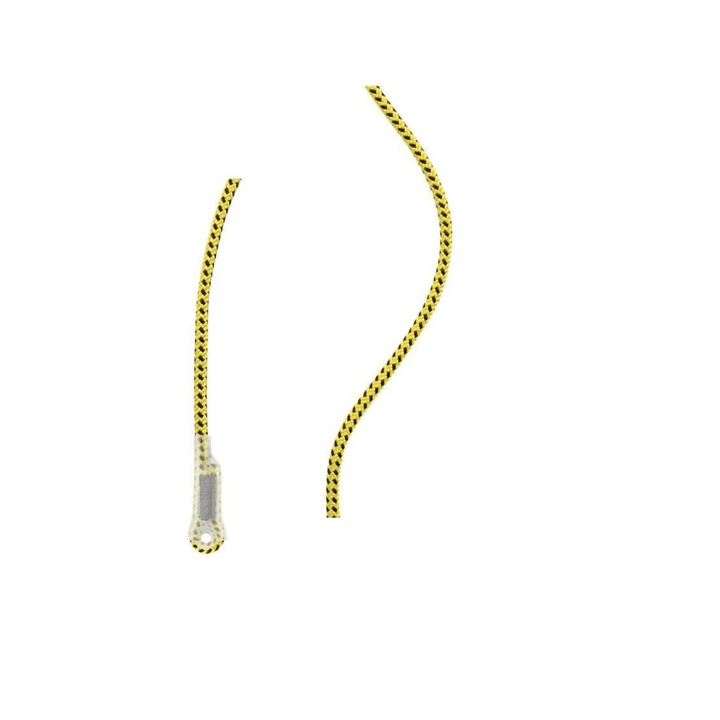
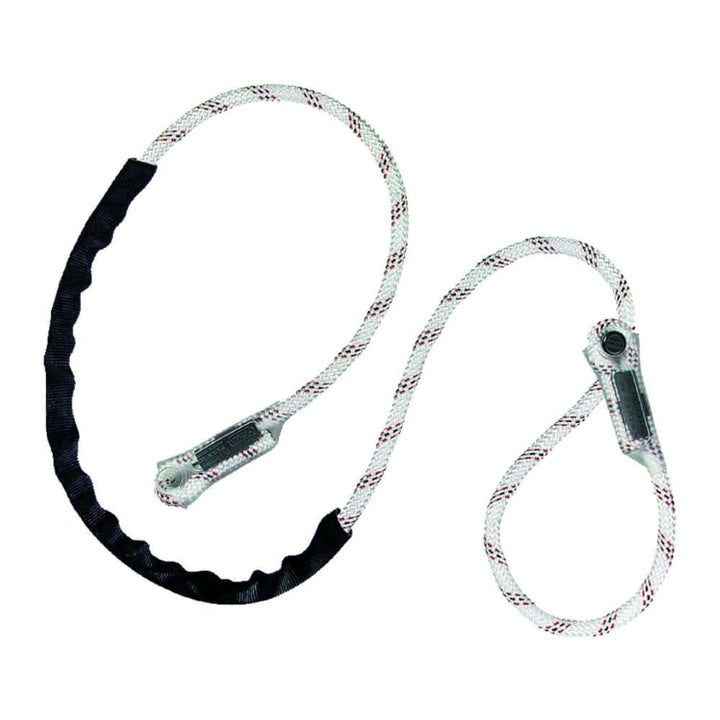
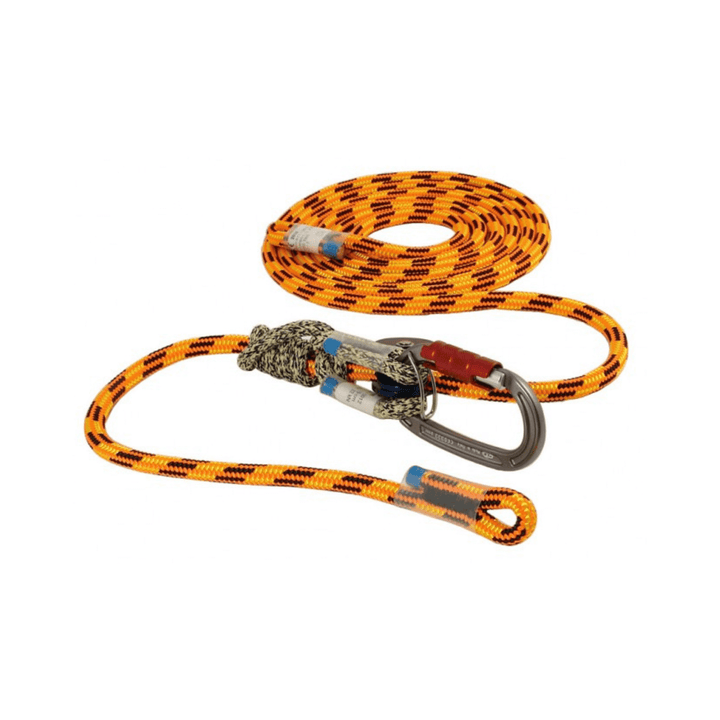
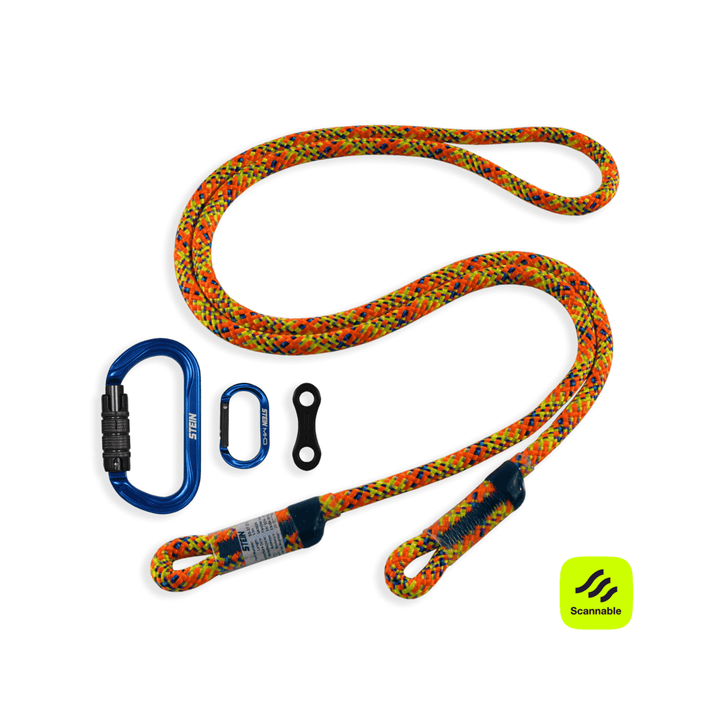
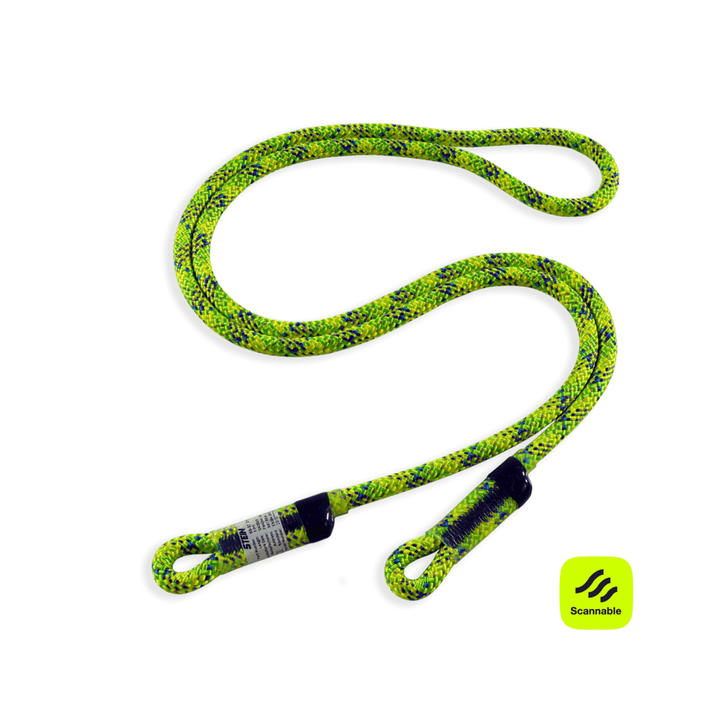
Rope lanyards use a textile core construction - lighter and more flexible than wire core fliplines but without cut resistance. They are suited to aerial pruning and positioning work where a chainsaw will not contact the lanyard, and for ground-level positioning tasks where cut resistance is not required. Rope lanyards are available in fixed and adjustable lengths, typically in 11mm and 13mm diameters. Petzl, DMM and STEIN produce rope lanyards compatible with all major arborist saddle connection systems at Gustharts.
Lanyard Adjusters and Mechanical Systems
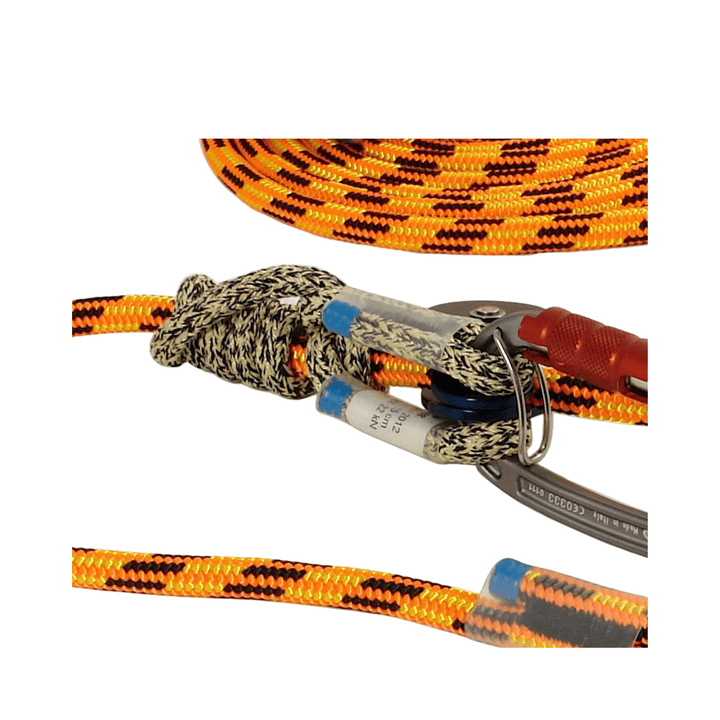
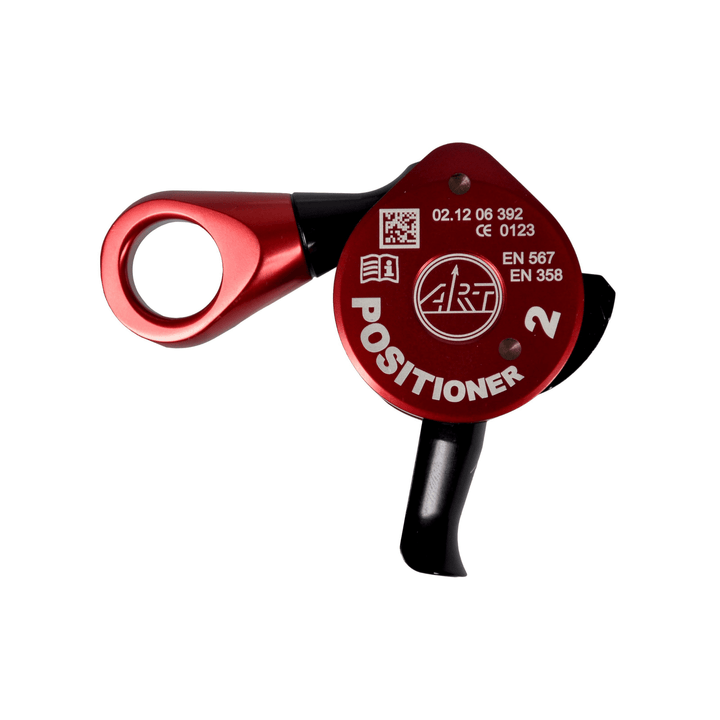
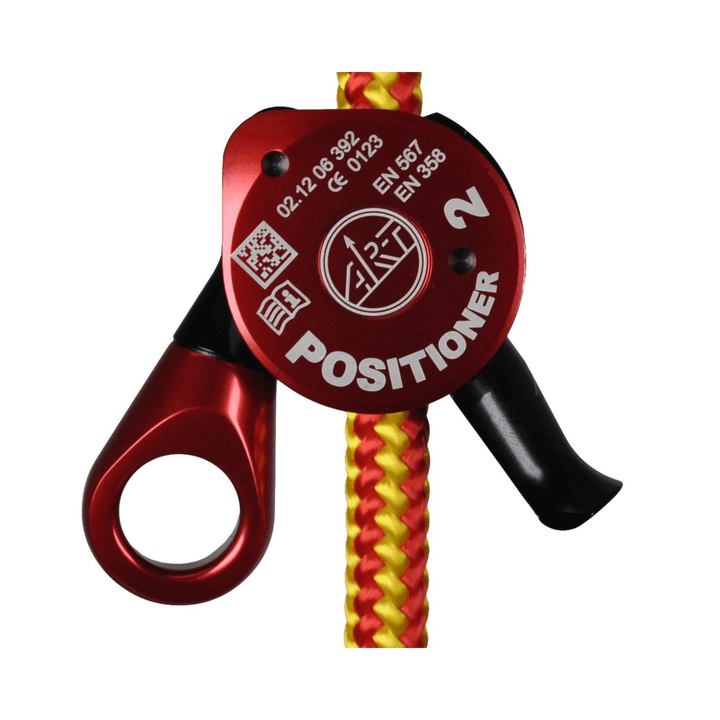
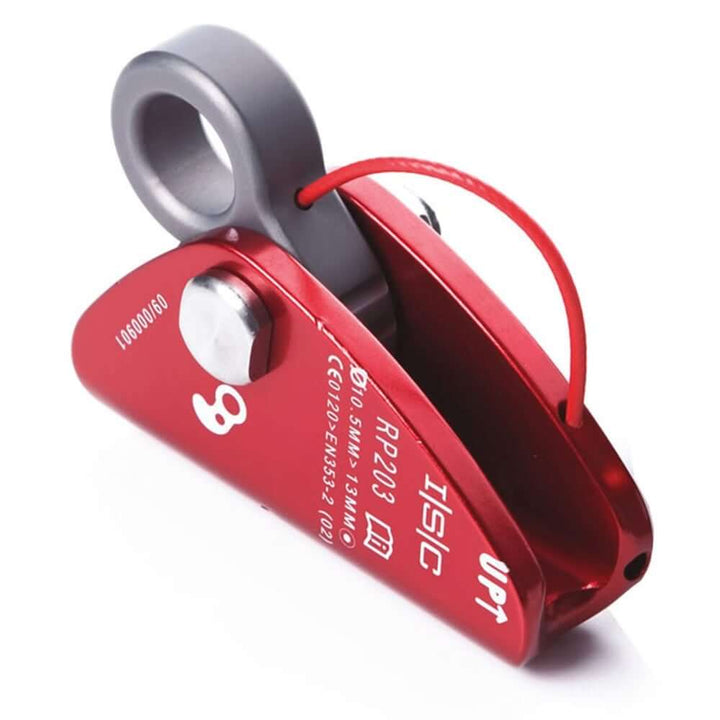
A lanyard adjuster allows the arborist to change the effective length of the lanyard quickly from a working position - extending to reposition and shortening to lock back in. Mechanical cam-based adjusters (including the Petzl Zigzag and ART Positioner) provide smooth, one-handed adjustment under load. Rope-based systems using a friction hitch are lighter and simpler but slower to adjust. For active work with frequent repositioning, a mechanical adjuster improves efficiency significantly and reduces the risk of working at an incorrect position.
Chainsaw Lanyards and Tool Retention
A chainsaw lanyard is a short tether that attaches a chainsaw to the arborist's saddle or harness, preventing the saw from falling if dropped during aerial operations. This is a separate product from a work positioning lanyard - it is a tool retention device, not a positioning system. Chainsaw lanyards must be rated to the weight of the saw being used and should be attached to a dedicated tool attachment point on the saddle, not to a carabiner used in the climbing system. Gustharts stocks certified chainsaw lanyards and tool tethers for all common top-handle saw weights.
EN 354 and EN 358 - Lanyard Standards for Arborists
EN 354 covers lanyards used as connecting elements in fall protection systems - specifying length, strength and elongation requirements. EN 358 covers belts and lanyards specifically for work positioning and restraint - the standard that applies to arborist positioning lanyards used in the canopy. All positioning lanyards at Gustharts carry EN 358 certification as a minimum. Wire core fliplines should additionally be checked for their specific cut resistance rating where chainsaw contact is anticipated. Never use a lanyard outside its certified application.
Choosing the Right Lanyard for Your Work
For spar work and any aerial chainsaw use: wire core flipline with mechanical adjuster. For aerial pruning without a chainsaw: rope lanyard with mechanical or friction adjuster. For ground-based positioning: rope lanyard. For tool retention: dedicated chainsaw lanyard attached to a tool loop, not the climbing system. Most professional arborists carry both a wire core flipline (for removal and spar work) and a rope lanyard (for pruning) to cover both types of operation without equipment changes between jobs.
Pairs Well With
- Climbing Harness Accessories — saddles and harnesses for aerial work
- Tree Climbing Ropes — SRT and DRT lines from Teufelberger and Courant
- Carabiners & Connectors — screwgate and auto-locking certified connectors
- Friction Devices — Prusik cords and mechanical climbing friction hitches
- Tree Climbing Kits — complete SRT and DRT starter systems