


All About Charging a Lithium-Ion Battery
Learn the correct way to charge your STIHL lithium-ion battery for safe, long-lasting performance.

Do You Need to Fully Charge a New Battery?
Many people think a new battery must be charged overnight before first use — but with modern lithium-ion technology, this is unnecessary. Unlike older nickel-cadmium (NiCd) batteries, which had a high self-discharge rate, STIHL Li-ion batteries hold charge exceptionally well during storage.
All STIHL lithium-ion batteries are supplied with around 30% charge from the factory. Before using it for the first time, simply charge it to 80–100%. Charging times vary between 30 minutes and 4.5 hours, depending on battery type and charger.

Understanding the Memory Effect
The memory effect is a limitation of nickel-cadmium batteries, where repeated partial charging reduces total capacity. The battery “remembers” only the most recently added energy, leading to lower runtime.
Li-ion batteries are immune to this effect — you can safely recharge them at any point without reducing their capacity.

Advantages of Lithium-Ion Technology
STIHL uses premium lithium-ion cells with very low self-discharge — typically only 1–3% per year. This ensures your tools are ready to use even after long periods of storage.
Built-in electronics also protect against over-discharge by putting the battery into a rest state when not in use. Before first use, simply charge your battery to 80–100% to achieve full runtime.

Is It Dangerous to Charge Too Long?
No — STIHL Li-ion batteries are protected by an intelligent battery management system (BMS) that prevents overcharging. When the battery reaches full capacity, charging stops automatically, and current flow is cut off.
It’s normal for the battery to feel warm during charging. Each cell is monitored by internal temperature sensors, which pause charging if the battery becomes too hot.

What the Symbols Mean on Your Cordless Tool
STIHL’s brushless EC motors are designed for efficiency and durability. The built-in EC electronics automatically detect which battery is installed and deliver the correct power output.
Many STIHL cordless tools are rain-resistant — they can be used outdoors in light rain or mist, though not during charging. Always check the user manual for specific guidance.

If the Battery Becomes Hot
STIHL Li-ion batteries, chargers, and tools include electronic safeguards that prevent overheating. If critical temperature levels are reached, power is automatically shut off to protect the system.
All STIHL batteries are enclosed in flame-retardant housing for maximum safety.
Does Temperature Affect Battery Performance?
Both high and low temperatures can affect lithium-ion battery life. Excessive heat accelerates chemical reactions inside the battery, reducing capacity and lifespan. Conversely, cold conditions slow the reaction, meaning a frozen battery may not charge.
Always charge and store your batteries indoors at moderate temperatures — ideally between 5°C and 40°C. STIHL chargers automatically delay charging until the battery reaches a safe temperature.

STIHL Battery Charge Indicator
Each STIHL Li-ion battery features four LED indicators that display charge status and alert you to malfunctions. Press the button on the battery — the LEDs light up green for five seconds to show charge level.
- All LEDs green: fully charged
- One LED flashing green: low charge
- LEDs flashing red: malfunction detected

Recommended Chargers & Storage Accessories


AL 501 Hi-Speed Charger
Upgrade charger with active cooling and rapid charge times — supports AP + AK systems.
View Product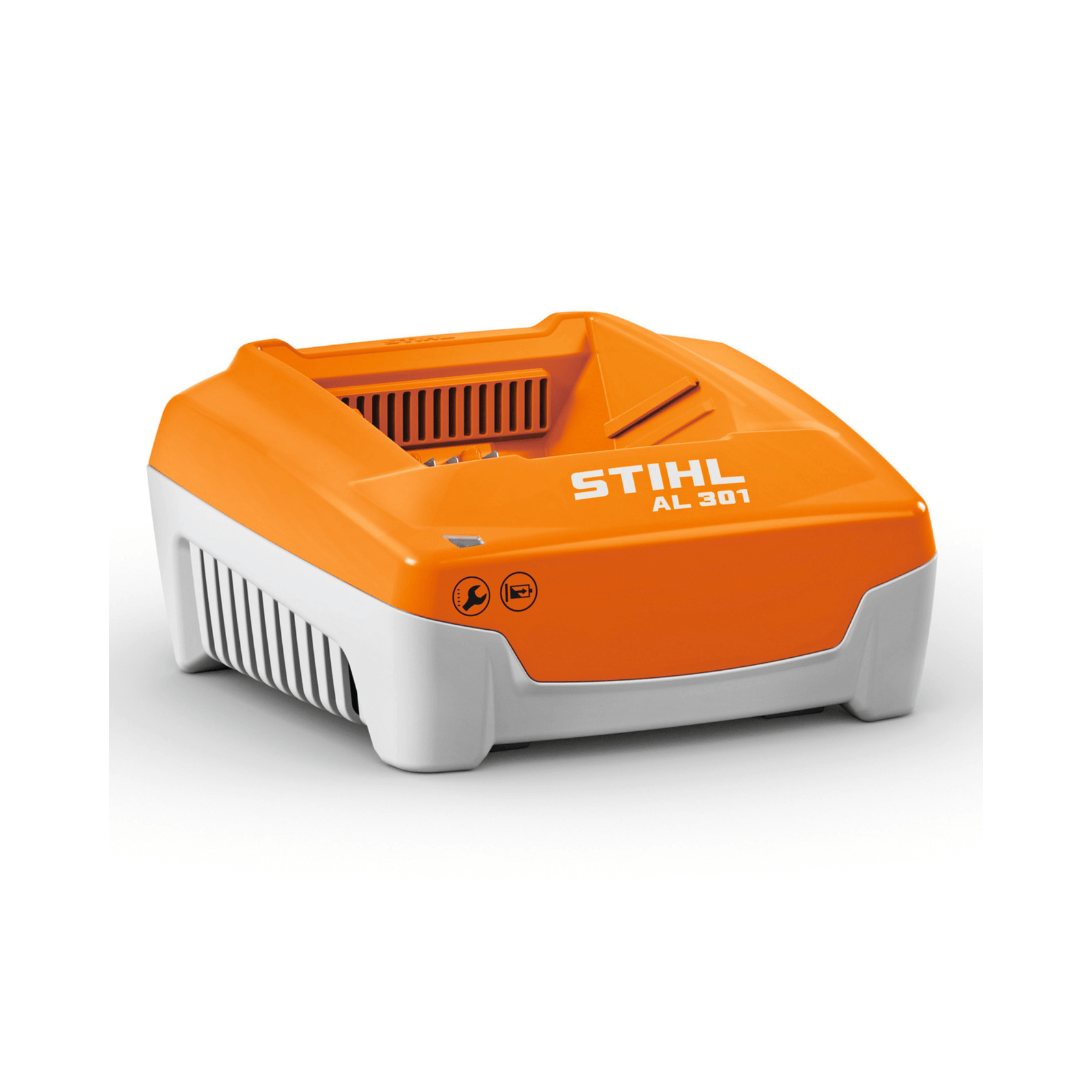
AL 301 Charger
Reliable mid-range charger for everyday users — excellent value and performance.
View Product
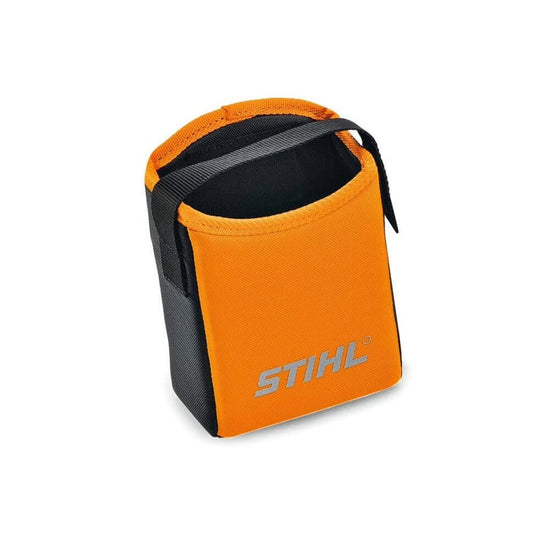
Accessory Bag for Battery Belt
Attach to your AP belt to carry charger, cables and accessories.
View Product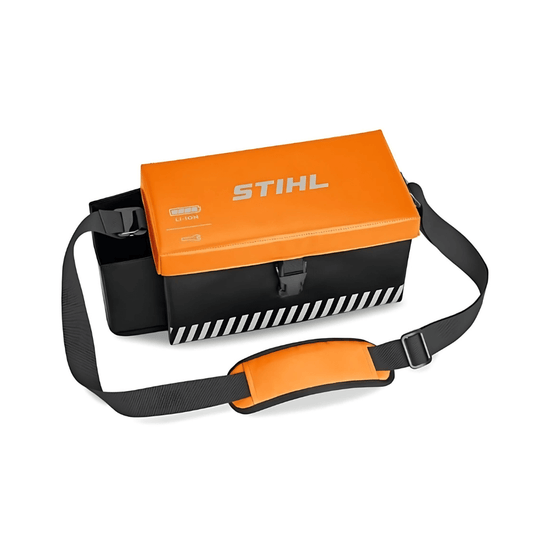
Summary: Charging a Lithium-Ion Battery
- STIHL Li-ion batteries come pre-charged to about 30%.
- Charge to 80–100% before first use.
- Overnight charging is safe — the system prevents overcharging.
- Charge and store batteries between 5°C and 40°C.
- Protect batteries from extreme heat, cold, and moisture.
- Always follow STIHL’s safety and storage guidelines.