


What Is Battery Memory Effect?
Understanding how the memory effect impacts older batteries – and why STIHL lithium-ion batteries are immune.
What Is the Memory Effect?
The memory effect describes the gradual loss of battery capacity due to repeated partial charging. Over time, this results in shorter operating times and the need for more frequent recharging. In severe cases, batteries can lose their ability to hold a charge entirely.
Fortunately, modern lithium-ion batteries are not affected by this phenomenon. You can charge a STIHL Li-ion battery at any time — regardless of its current charge level — without risking capacity loss.
How Was Memory Effect Discovered?
Memory effect was first discovered in the 1960s by NASA engineers, who noticed that satellite batteries gradually lost their energy capacity. They found that after multiple partial discharge cycles, the batteries only supplied the amount of energy added during the most recent charge.
Think of it like a suitcase with a false bottom — each time you pack it without fully emptying it first, you lose some usable space. In batteries, this translates to a voltage drop and eventual loss of usable energy.
Which Batteries Are Susceptible?
Memory effect primarily affects nickel-cadmium (NiCd) batteries, which were once common in early cordless tools. It’s caused by the formation of cadmium crystals inside the battery cells when the battery is not fully discharged.
As these crystals grow, they reduce the battery’s conductivity, leading to voltage drops and a loss of effective capacity. Nickel-metal hydride (NiMH) batteries can also show a mild version of this known as the “lazy battery effect”.
However, these older chemistries have now been replaced by lithium-ion cells in most cordless tools and devices.
No Memory Effect with STIHL Lithium-Ion Batteries
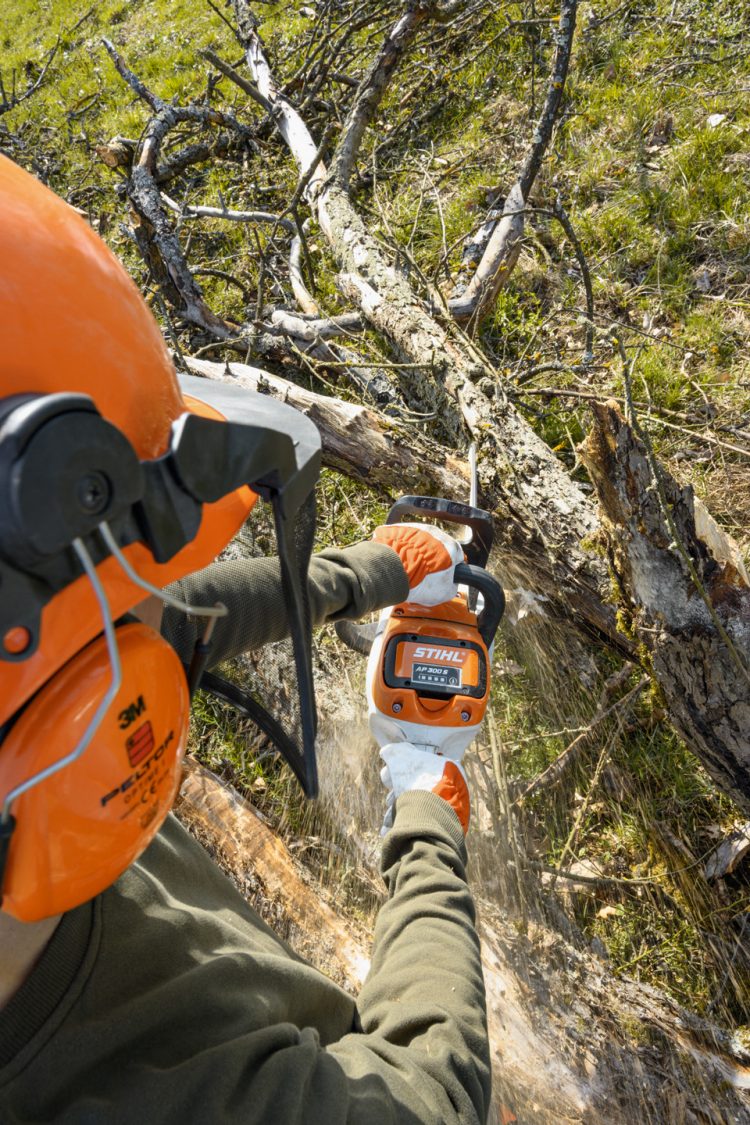
STIHL uses advanced lithium-ion technology in all cordless tools. These batteries are lighter, more powerful, and completely immune to memory effect.
Thanks to their advanced chemistry and built-in Battery Management Systems (BMS), STIHL Li-ion batteries maintain full voltage and capacity even after repeated partial charges. There’s no need to discharge them fully before charging, and it’s safe to “top up” between jobs.
This ensures consistent performance, long runtime, and optimal efficiency throughout the battery’s service life.
Summary: Battery Memory Effect
- Memory effect causes reduced energy capacity in older batteries due to repeated partial charging.
- It mainly affects NiCd and, to a lesser extent, NiMH batteries.
- STIHL lithium-ion batteries are completely unaffected by memory effect.
- STIHL Li-ion batteries can be charged at any time, with no need for full discharge cycles.
STIHL Battery Care & Charging Accessories

STIHL AL 500 Hi-Speed Charger
Professional-grade fast charger compatible with AP & AR batteries. Perfect for efficient charging without over-stressing cells.
View Product
STIHL AL 101 Battery Charger
Reliable standard charger for AK & AP batteries — ideal for regular charging cycles and long-term battery health.
View Product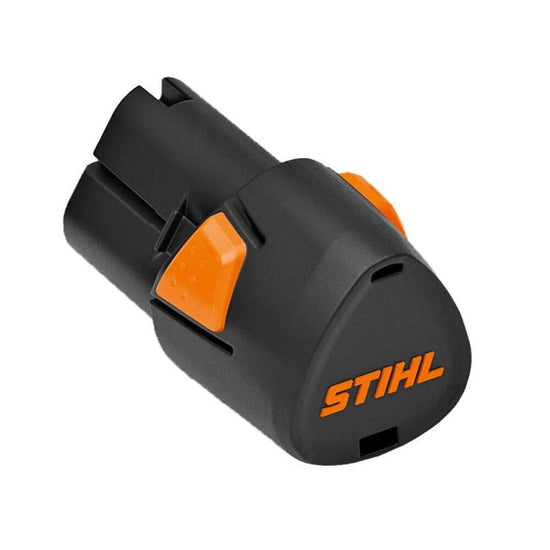
STIHL AS 2 Battery
Compact lithium-ion battery for the STIHL AS System. Modern design with no memory effect — maintain peak performance with correct care.
View Product
STIHL Battery Carry Bag
Durable transport bag for up to 2 batteries and one charger. Keeps batteries at stable temperature for optimal longevity.
View Product