

Buyer's Guide
Climbing Rope Care & Maintenance Guide
Proper rope care extends service life, maintains consistent friction hitch performance and makes damage easier to spot during inspection. This guide covers why rope care matters, how to wash a climbing rope correctly, UV storage protection and when to retire a rope — essential reading for professional arborists relying on their rope every working day.
Why Rope Care Matters for Arborists
A climbing rope exposed to sap, resin, grit and UV radiation degrades faster than one that is regularly cleaned and stored correctly. Grit particles embedded in the rope sheath act as an abrasive against the core fibres with every load cycle, accelerating internal wear that is invisible from the outside. Regular washing removes these contaminants and restores handling characteristics, extending rope service life and maintaining the consistent friction behaviour that arborists rely on when using friction hitches. A well-maintained rope also makes problems easier to spot during inspection - a clean rope reveals sheath damage, kinks and glazing that a dirty rope hides.
How to Wash a Climbing Rope
1. Loosely coil the rope or place it in a rope washing bag. 2. Use a dedicated rope cleaner - never household detergent or fabric softener, which degrade the fibres and leave residues that affect hitch performance. 3. Wash at 30 degrees in a front-loading machine (top-loaders can damage the rope), or hand wash in a bucket of cool water with rope cleaner. 4. Rinse thoroughly until water runs clear. 5. Hang loosely in a cool, shaded location to dry naturally - never tumble dry or expose to direct sunlight for extended periods. 6. Inspect the rope carefully while still damp before coiling for storage.
Rope Storage and UV Protection
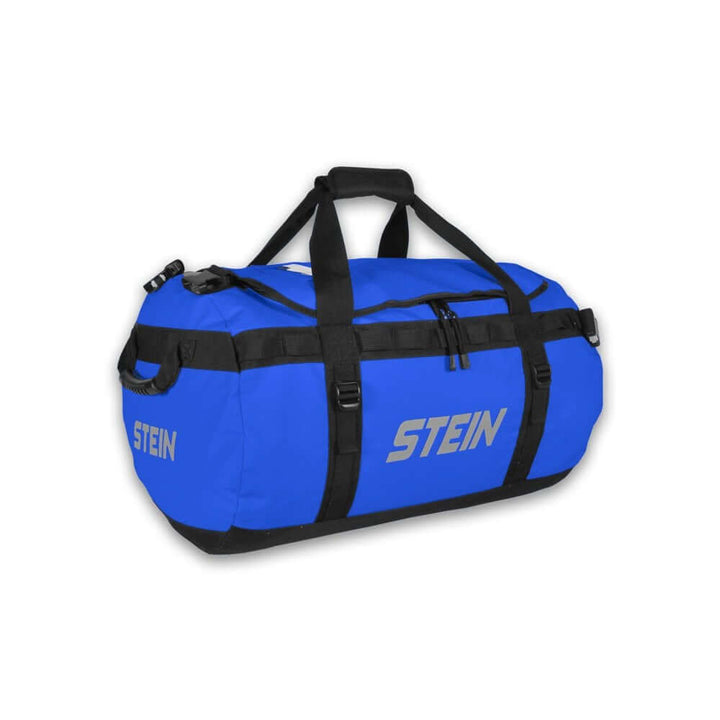
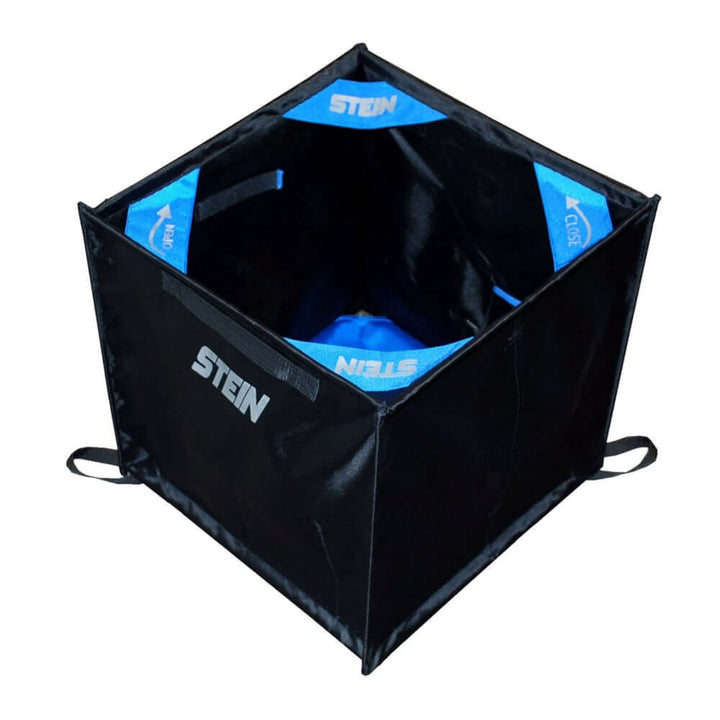
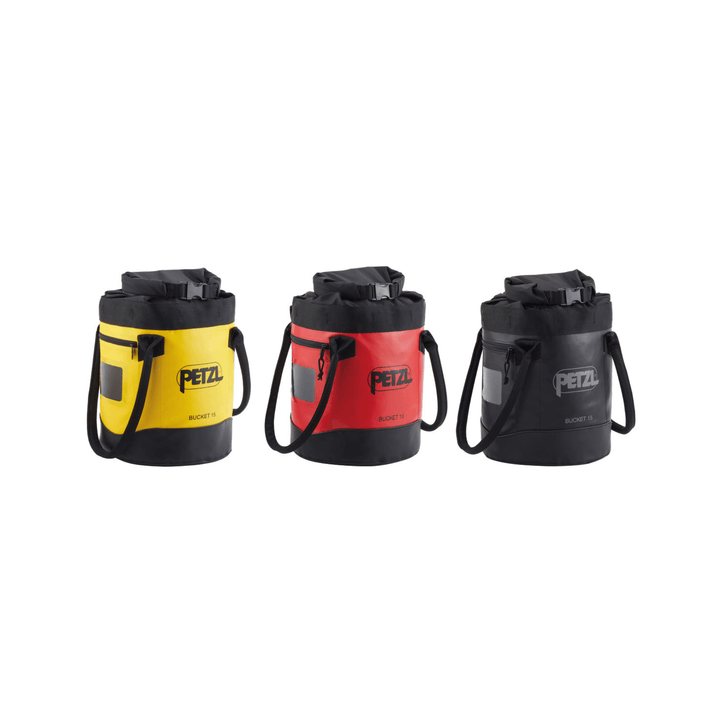
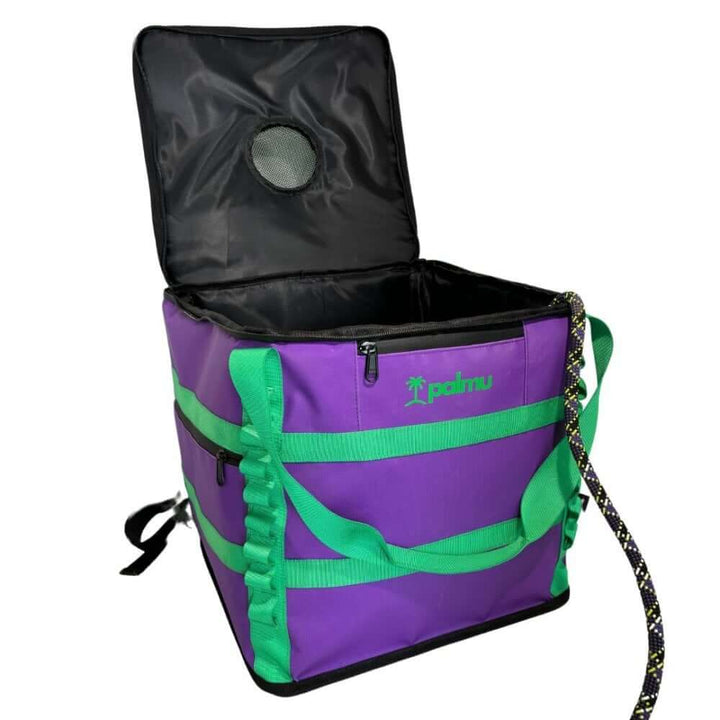
Store climbing ropes in a cool, dry, dark environment away from direct sunlight, chemicals and sharp edges. UV radiation degrades nylon and polyester rope fibres progressively - a rope left coiled on a van roof or in a sunny yard loses strength without any visible sheath damage. Rope bags and rope cubes protect the rope during transport and storage, keeping the rope clean, tangle-free and shielded from UV. Never store a climbing rope in the same bag as chemicals, fuel, battery acid or chain oil - even fume contamination from these materials can degrade rope fibres without visible signs.
When to Retire a Climbing Rope
Retire a climbing rope immediately if: it has taken a severe shock load (a factor 2 fall or sudden arrest of a heavy rigging load); the sheath shows cuts, abrasion exposing the core, or chemical discolouration; the core feels flat, lumpy or significantly stiffer in any section; or it has reached the manufacturer's maximum service life (typically 10 years from manufacture for ropes in occasional use, significantly less for daily professional use). When in doubt, retire the rope. The cost of a new rope is always less than the consequence of rope failure at height. Record purchase date and first use date on every rope and retire on a scheduled basis aligned with your use intensity.
Complete Your Kit

 5% OFF