

Chainsaw Advice · Bars & Chains
How to Choose the Right Guide Bar & Chain Combo for Your Chainsaw
Choosing the right guide bar and chain combination is one of the easiest ways to improve cutting performance, reduce wear on your chainsaw and make your work more efficient. Whether you're an arborist, forester or estate worker, pairing the correct bar length, chain pitch and chain type can dramatically change how your saw performs.
Learn how to choose the right chainsaw guide bar and chain combination for your saw. This professional guide explains bar lengths, chain pitch, gauge, cutting styles and how to maximise cutting performance.
Why your guide bar and chain setup matters
The right guide bar and chain combination affects far more than just how quickly your chainsaw cuts. It also influences balance, cutting control, engine strain, vibration and long-term wear. For professional users, getting this setup right can make everyday cutting faster, smoother and more cost-effective.
A poor match between bar length, chain type and saw size can reduce performance and make the saw feel heavy, slow or harder to control. A well-matched setup will help your saw cut cleanly, stay sharper for longer and work more efficiently in the timber you're actually dealing with.
If you’re upgrading your setup, start with the two key collections: chainsaw guide bars and chainsaw chains.
Understanding chainsaw guide bars
A chainsaw guide bar is the long metal bar that supports and guides the chain. The correct guide bar helps your saw maintain proper balance, chain speed and cutting efficiency.
Bar length
Bar length is one of the first things arborists and forestry users look at. Longer bars allow you to cut larger timber, but they also demand more engine power. Shorter bars are often quicker through the cut and easier to control.
- 12"–14" bars suit smaller saws and pruning work
- 16"–18" bars are ideal for general ground saw use
- 20"–25" bars suit bigger felling and dismantling saws
- 28"+ bars are best for large forestry work and specialist cutting
You can browse suitable options in our guide bar collection.
Bar mount and compatibility
Not every guide bar fits every saw. The mount pattern must match your saw model, and the bar must also suit the correct chain pitch and gauge. Always check compatibility before ordering, especially if you're changing saw size, bar length or chain specification.
Balance and handling
In real-world arb work, balance matters just as much as outright cutting capacity. A shorter, lighter bar can make a saw feel more agile and reduce fatigue over a full working day, while a longer bar may be worth it when you regularly work on larger stems.
Chainsaw chain basics: pitch, gauge and drive links explained
Choosing the right chain starts with understanding three key measurements: pitch, gauge and drive link count. All three need to match the bar and saw setup correctly.
Chain pitch
Chain pitch refers to the size of the chain and influences how aggressively it cuts.
- 1/4" – common on smaller pruning and top-handle saws
- .325" – common on mid-sized professional saws
- 3/8" – a popular professional pitch for larger ground saws
- 3/8" Low Profile – used on some lighter-duty saws
Chain gauge
Gauge is the thickness of the drive links that sit in the bar groove. Common gauges include:
- .043"
- .050"
- .058"
- .063"
If the gauge is wrong, the chain won’t run properly in the bar and can create excessive wear or unsafe performance.
Drive links
Drive link count determines the chain length. Even if pitch and gauge are correct, the chain still won’t fit unless the drive link count matches the guide bar exactly.
To find replacement options, browse our full chainsaw chain collection.
Full chisel vs semi chisel: which chain type is best?
One of the most common questions from professional users is whether to run a full chisel or semi chisel chain. The answer depends on how and where you work.
Full chisel chains
Full chisel chains are designed for fast, aggressive cutting in clean timber. They are popular with professional arborists and forestry users because they cut quickly and efficiently.
- Faster cutting speed
- Excellent for clean wood
- Popular for production work
The trade-off is that they lose their edge faster if you’re cutting dirty bark, stump wood or storm-damaged timber.
Semi chisel chains
Semi chisel chains cut slightly slower, but they hold an edge better in rougher or dirtier conditions.
- More forgiving in dirty timber
- Longer edge retention
- Good for mixed conditions and general use
Many professional users keep both options available so they can switch depending on the job.
How to match the bar and chain to your chainsaw size
Your chainsaw’s engine size and intended use should guide your final setup. As a rule, the bigger the saw, the longer and more aggressive the bar and chain setup it can comfortably pull.
Small arborist chainsaws (35–45cc)
- Best with 12"–14" bars
- Often run 1/4" or .325" pitch chain
- Ideal for pruning, smaller reductions and lightweight work
Mid-sized professional saws (50–60cc)
- Typically suit 16"–18" guide bars
- Usually run .325" or 3/8" chain
- Great for everyday arb groundwork and medium timber
Large forestry and felling saws (70cc+)
- Usually paired with 20"–28" bars
- Most commonly run 3/8" chain
- Best for felling, larger dismantles and heavy-duty work
The best setup is always the one that suits both your saw and the timber you cut most often, not simply the longest bar you can physically fit.
How to choose the best setup for arborist work
Arborists often need a different setup from forestry users. Tree surgery work usually values speed, balance and manoeuvrability just as much as outright cutting depth.
- Choose a shorter bar for faster cuts and better control in the tree or on the ground
- Use full chisel chain for cleaner timber and quicker cutting
- Keep a semi chisel chain ready for dirty or storm-damaged wood
- Match your setup to the timber size you cut every week, not the odd oversized stem
For professional users, that often means owning more than one guide bar and keeping a few spare chains sharpened and ready.
Don’t overlook oil, maintenance and PPE
Even the best bar and chain setup will underperform if the saw isn’t looked after properly. Bar wear, chain wear and poor cutting performance often come down to maintenance rather than the parts themselves.
Fuel and oil
Good quality fuel and oil help protect your engine, reduce deposits and keep bars and chains properly lubricated.
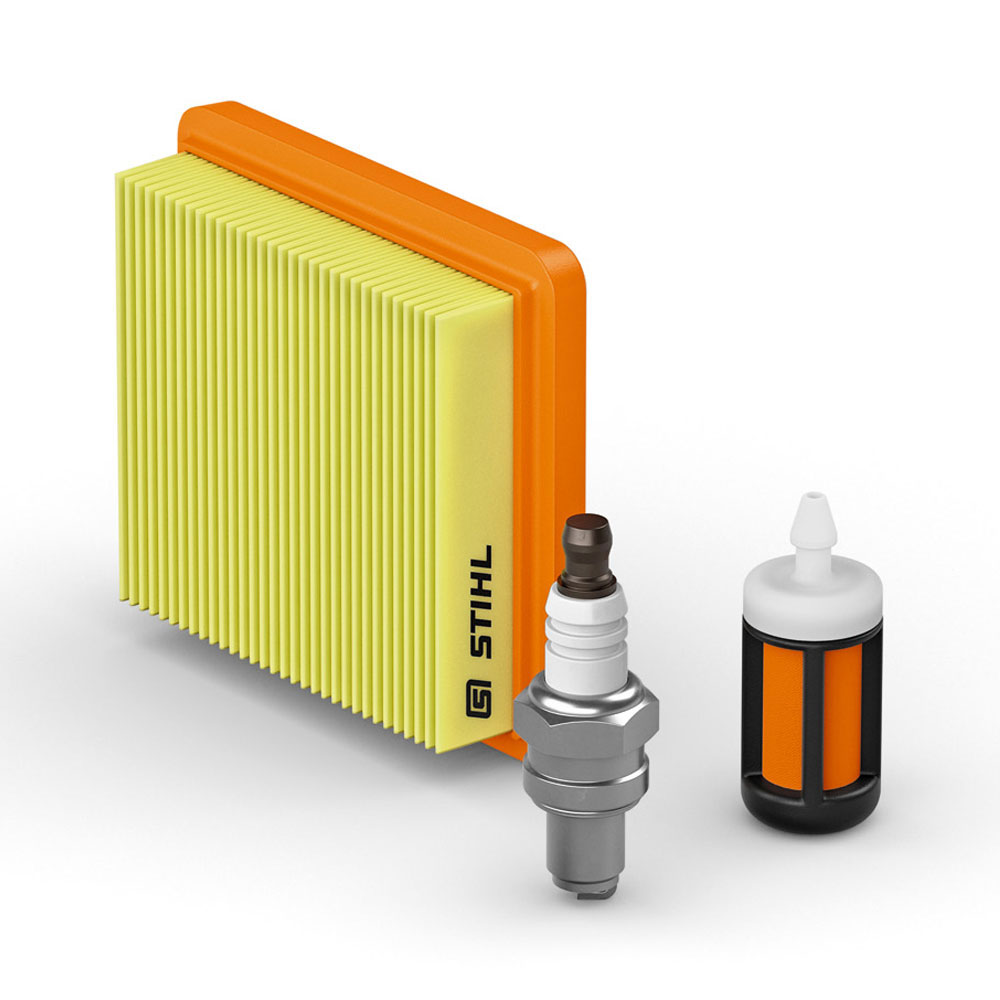
Service kits
Routine maintenance matters. Replacing filters, plugs and other consumables with genuine STIHL service kits helps keep your saw reliable and performing at its best.
PPE
Whenever you’re working with a chainsaw, proper chainsaw clothing and PPE is essential. That means suitable trousers, chainsaw boots, helmets, gloves and hearing protection for the task.
FAQ: choosing the right guide bar and chain combo
How do I know what guide bar fits my chainsaw?
Start with your exact saw model and check the approved bar mount, bar length, pitch and gauge. The correct setup must match all of these details, not just one of them.
Can I fit a longer guide bar to my chainsaw?
Sometimes, yes — but only if the saw has enough power to pull it properly. Oversizing a bar can reduce chain speed, make the saw feel unbalanced and increase wear.
What chain cuts fastest?
Full chisel chains are typically the fastest cutting option in clean timber. They are popular with professional users who prioritise cutting speed and production.
When should I use a semi chisel chain?
Semi chisel is often a better choice for dirty bark, rough timber, firewood and storm-damaged wood because it holds its edge longer in those conditions.
How many spare chains should I keep?
Most professional users keep several spare chains per saw so they can rotate them through sharpening and reduce downtime on site.
More to Explore