


Top Picks
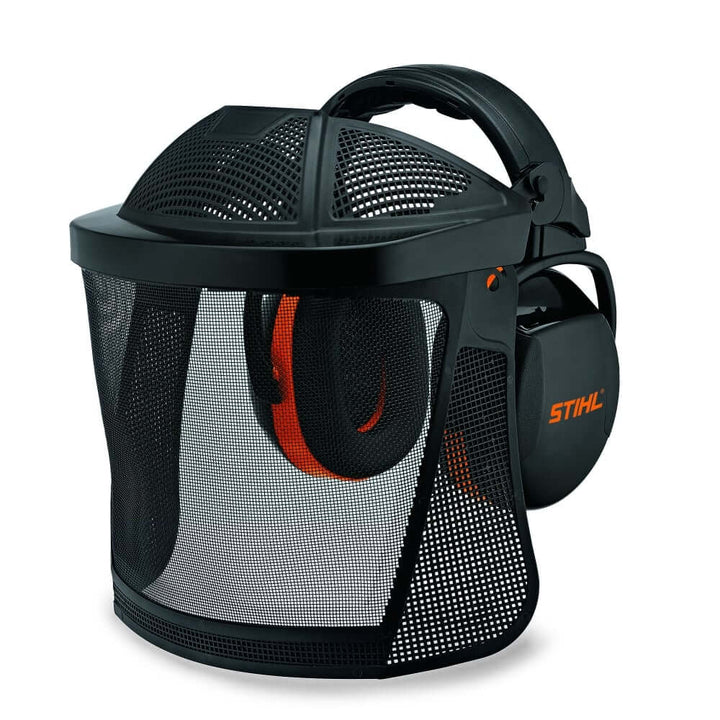
DYNAMIC GPA Face & Hearing Protection
£34.66
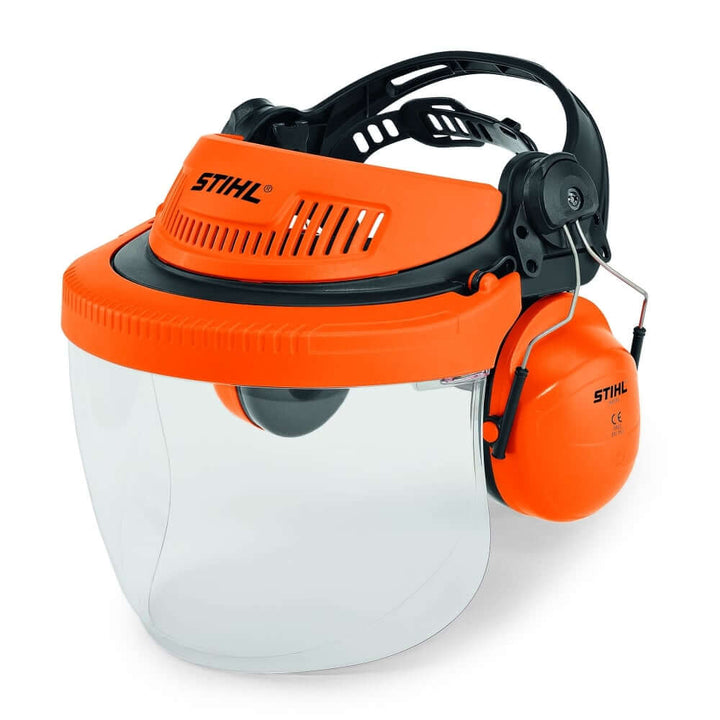
G500 PC Polycarbonate Face & Hearing Protection
£44.00
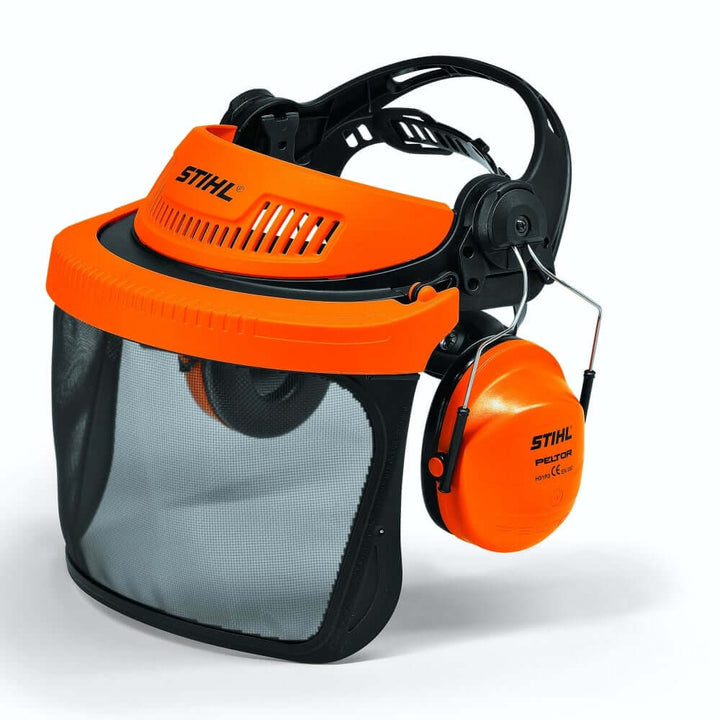
G500 Professional Version Face & Hearing Protection
£44.00
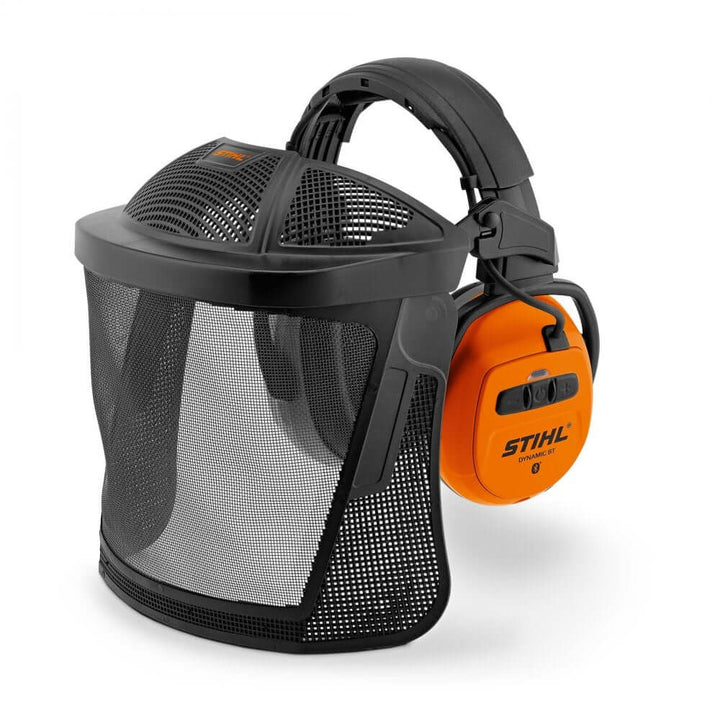
DYNAMIC GB PA Bluetooth Face & Hearing Protection
£86.00
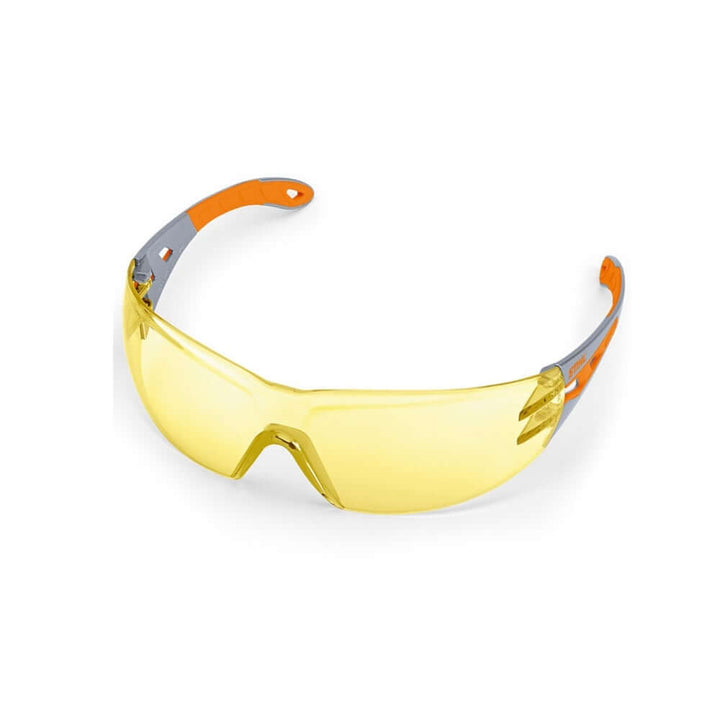
Light Plus Safety Glasses
£12.46
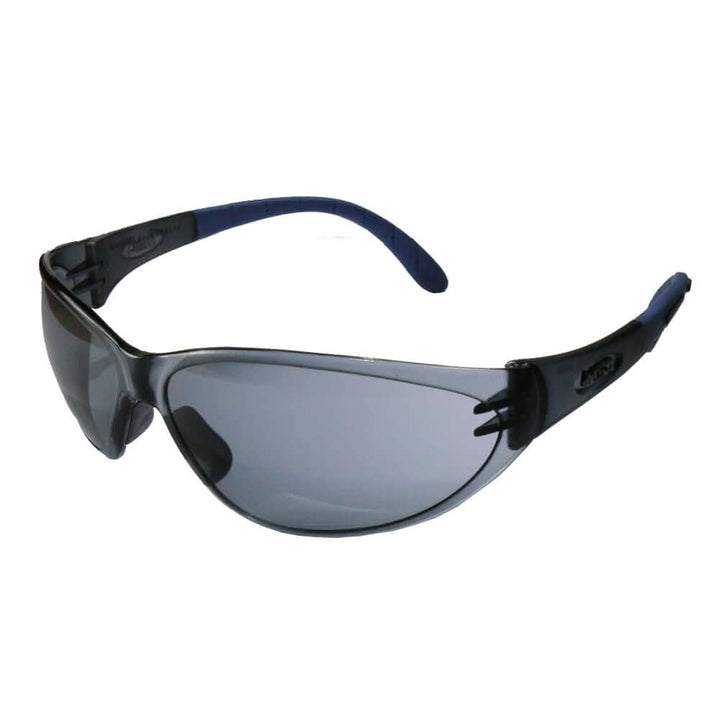
Perspecta 9000 Safety Glasses
£5.58
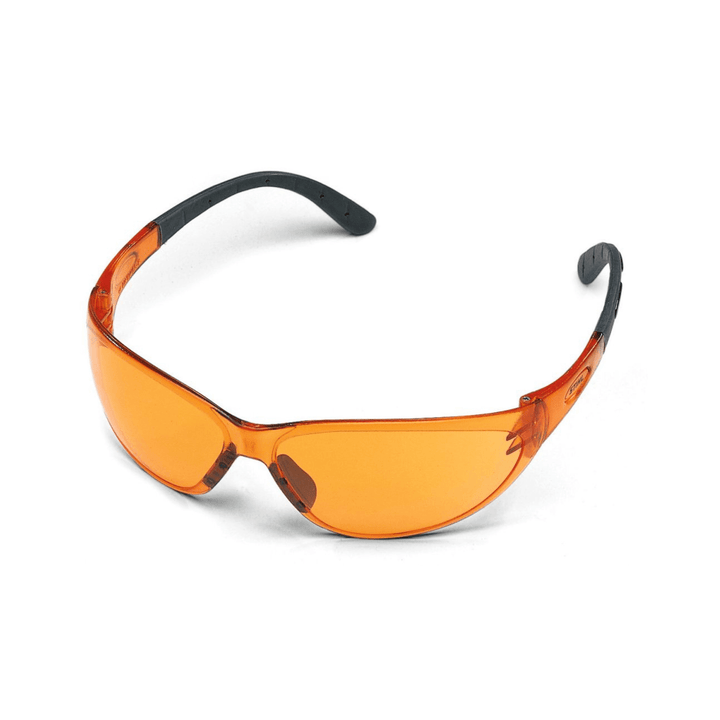
Dynamic Contrast Safety Glasses
£10.92
Buyer's Guide
Chainsaw Face & Eye Protection Buyer's Guide
A mesh visor fights fogging but lets fine dust through; a sealed glass or goggle blocks dust but fogs faster under exertion. This guide covers choosing between them, standalone glasses vs helmet-mounted visors, and matching a visor to your exact helmet model.
Mesh Visor vs Sealed Goggle
A mesh visor lets air flow through, cutting fogging during hard exertion, but it doesn't stop fine sawdust the way a sealed lens does. Safety glasses and goggles seal fully against dust and debris but fog up faster once you're working hard, especially in cold or humid conditions. Choose mesh for hot, dusty conditions where fogging is the bigger problem; choose sealed glasses when fine dust is the main concern and exertion is more moderate.
Standalone Glasses vs Helmet-Mounted Visors
Standalone safety glasses work with any helmet or no helmet at all, simple and flexible but offering less coverage around the edges than a full visor. A helmet-mounted visor (STIHL G500, FUNCTION and DYNAMIC ranges) gives fuller face coverage and usually pairs with ear defenders in one combined unit, but only works if it's matched to your specific helmet model.
EN166 & EN1731 Ratings
EN166 covers general eye protection against impact, while EN1731 specifically covers mesh visors for their combination of impact and penetration resistance. Every product in this range meets the relevant standard for its type, so the rating isn't the differentiator — fit, field of view and fogging behaviour in your actual working conditions matter more once you're comparing compliant options.
Matching a Visor to Your Helmet
Visors and combined face/hearing protection sets are typically model-specific, mounting onto a particular helmet's fixing points rather than being universal. Check your exact helmet model before ordering a replacement or upgrade visor — our Helmet Spares range covers many model-specific options if you're replacing rather than choosing for a new helmet.