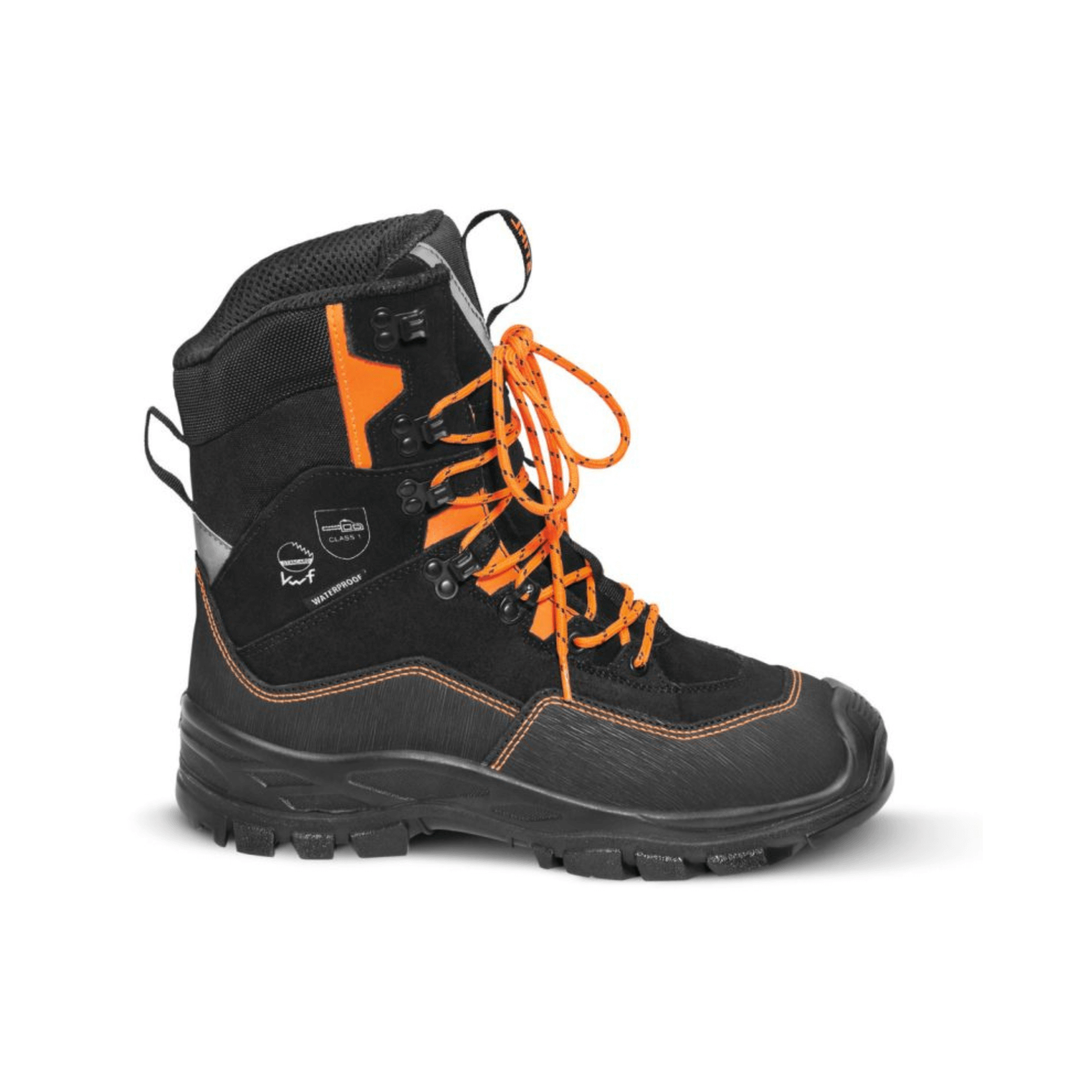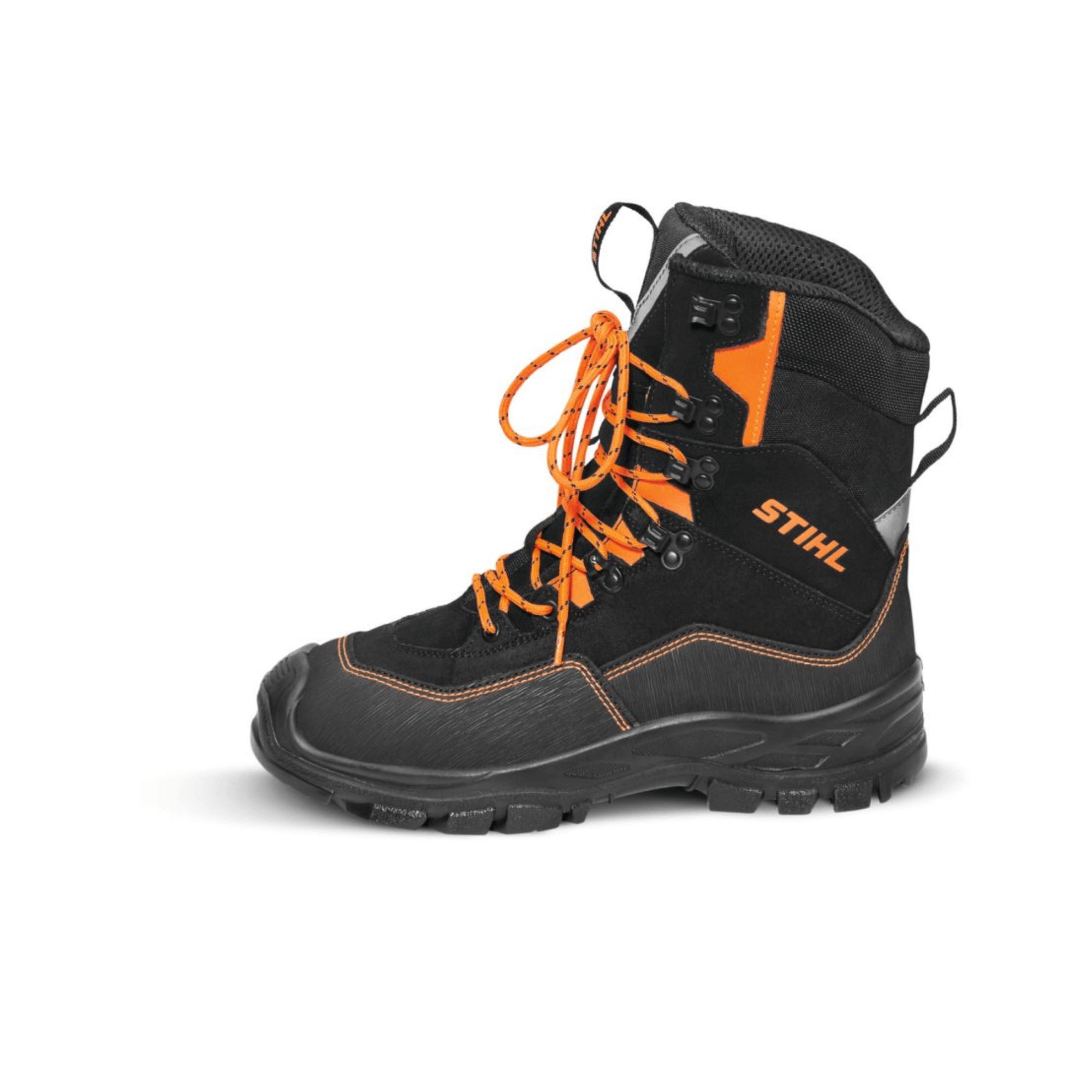


If you work with a saw all week, your chainsaw boots for tree surgeons are non-negotiable – they’re what stand between you and a life-changing injury. This 2026 buyer’s guide walks through protection classes, weight, durability, fit and the best arborist boots from leading brands like Haix, Arbortec, Pfanner and STIHL – with practical advice for both climbers and groundies.
👉 Quick CTA:
Ready to compare options? Explore our full range of chainsaw boots for tree surgeons here:
Browse Chainsaw Boots Collection »
Why specialist chainsaw boots matter for tree surgeons
Tree work is hard on footwear: constant mud, spikes, steep banks, wet timber, winch cables and the odd bar-nose near your feet. Proper arborist boots give you:
-
Certified chainsaw cut protection to EN ISO 17249
-
Safety toe cap and puncture-resistant midsole to EN ISO 20345
-
Aggressive, self-cleaning tread for grip on brash and roots
-
Ankle support for spikes and climbing systems
-
Waterproofing and breathability so you’re not working with soaked, frozen feet all winter
Standard safety boots might pass impact tests, but without chainsaw-specific layers they won’t jam the chain in a strike. You’re looking for boots clearly marked to EN ISO 17249 with the right protection class for your saws and tasks.
Chainsaw boot protection classes (Class 1, 2 and 3) explained
Chainsaw boot classes are based on the chain speed (m/s) they’re tested against:
-
Class 0 – up to 16 m/s (rare now, mainly older/occasional styles)
-
Class 1 – up to 20 m/s
-
Class 2 – up to 24 m/s
-
Class 3 – up to 28 m/s
For tree surgeons in 2026, here’s how that translates in the real world:
Class 1 Chainsaw Boots – the everyday workhorse
-
Rated to 20 m/s chain speed
-
Most common choice for general arb and forestry work
-
Usually the best balance of protection, weight and flexibility
Great for:
-
Day-to-day ground saw work
-
Climbing on smaller to mid-size saws
-
Domestic tree surgery and estates work
Class 2 Chainsaw Boots – for higher-powered saws
-
Rated to 24 m/s
-
Thicker cut-resistant layers and extra structure
-
Often a touch heavier and stiffer, but modern designs have closed the gap a lot
Great for:
-
Regular use of big saws
-
Heavier felling, utility and dismantling work
-
Tree surgeons who want a margin of safety without going full Class 3
Class 3 Chainsaw Boots – maximum protection
-
Rated to 28 m/s – the highest class under EN ISO 17249
-
Built for high-power professional saws and more extreme scenarios
-
Traditionally the heaviest – though there are now lighter Class 3 options like some dedicated rubber and leather forestry boots
Great for:
-
Large felling saws and high-risk operations
-
Utility, roadside and storm-damage work
-
Anyone whose risk assessment points towards maximum foot protection
Quick rule of thumb:
-
Most climbers and mixed-task tree surgeons are safe starting with Class 1.
-
Move to Class 2 or 3 if you’re regularly on bigger saws or doing heavy dismantling.
Key standards & safety features to look for
Alongside the cut class, check the spec sheet for:
-
EN ISO 17249 – chainsaw protective footwear
-
EN ISO 20345 – general safety footwear (toe cap impact, puncture resistance, etc.)
-
Safety toe (steel, aluminium or composite)
-
Puncture-resistant midsole
-
High-grip, self-cleaning outsole
-
Shock absorption in the heel
-
Scuff/rand protection around the toe and sides
-
Waterproof/breathable membrane
-
Proper lace eyelets or BOA-style closure locked away from the chain path
If you’re on spikes regularly, heel shape and sole stiffness matter – you want boots that sit cleanly on gaffs and don’t fold around them.
Top chainsaw boot brands for tree surgeons in 2026
There’s no single “best arborist boots” model for everyone. Instead, think about brand character – fit, support and features – then match that to your work.
Haix – supportive, technical and precise
Haix chainsaw boots are a go-to for many climbers who like a snug, supportive fit with plenty of ankle control and good all-day comfort. Popular models combine:
-
High, supportive shafts
-
Advanced sole construction for shock absorption
-
Waterproof, breathable linings
They suit tree surgeons who want a boot that feels more like a technical mountain boot than a traditional wellie.
Arbortec – modern, waterproof workhorses
Arbortec’s lines (e.g. Scafell Lite and other Class 2 options) are built specifically with tree surgeons in mind, with features such as:
-
Class 2 cut protection (24 m/s)
-
BreatheDry® waterproof/breathable lining
-
Aggressive outsole pattern for grip in mud and brash
-
Average weights around 2.7 kg per pair in some models – solid but still manageable for all-day use
They’re a strong option if you want a boot that can handle anything from woodland felling to aerial work without feeling like a brick on your foot.
Pfanner – premium comfort and low weight
Pfanner are known for their high-end chainsaw trousers, and their boots follow the same “premium but bomb-proof” philosophy. The Pfanner BOA chainsaw boot, for example, offers:
-
Class 2 chainsaw protection
-
Very low weight – under 1 kg for a single EU 41 boot
-
BOA® dial closure for fast, even tightening
-
Robust randing and upper construction
If you’re chasing the best arborist boots for long days aloft and want something genuinely lightweight without dropping to Class 1, Pfanner is well worth a look.
STIHL – solid value and broad size runs
STIHL’s chainsaw boots give you dependable safety with wide size runs and very clear spec sheets. For example:
-
STIHL Function Active Leather – around 2.2 kg per pair (size 42), Class 1, S3 waterproof leather, EN ISO 17249 & EN ISO 20345
-
STIHL Rubber / Special Rubber boots – Class 3 options with around 2.9 kg per pair (size 42) and serious front-of-foot protection
STIHL boots are ideal if you want clear documentation, robust protection and sensible pricing – particularly for ground crews and mixed saw work.
Weight of chainsaw boots: how heavy is too heavy?
Chainsaw boots will always be heavier than standard work boots – the cut-resistant layers, rand and safety features all add up. Typical chainsaw boots sit roughly in this ballpark:
-
Lightweight arb boots:
-
Example: Pfanner BOA – under 1 kg per boot (so under ~2 kg per pair)
-
Great for climbing and long walk-ins
-
-
Mid-weight leather boots (common for Class 1):
-
Example: STIHL Function Active Leather – around 2.2 kg per pair (size 42)
-
Good compromise between protection, support and comfort
-
-
Heavy-duty Class 2–3 or rubber boots:
-
Example: Arbortec Scafell Lite Class 2 – about 2.76 kg per pair
-
Example: STIHL rubber chainsaw boots – around 2.9 kg per pair
-
Built for maximum durability and protection in rough terrain
-
How it feels on the job:
-
Climbers tend to notice weight more – every extra gram is another drag on spikes or when you’re body-thrusting.
-
Ground crews doing short bursts around the chipper might happily trade extra grams for serious stability and protection.
If you spend most of the day in the canopy, prioritise lighter Class 1–2 boots with good flex. If you’re on a 90cc saw all day, accept a bit more weight in exchange for Class 2–3 with big, supportive soles.
Durability: what actually makes chainsaw boots last?
To get more than a season out of your boots, pay attention to:
-
Upper material
-
High-quality full-grain leather with good stitching stands up better to abrasion.
-
Fabric panels reduce weight and improve breathability, but can need more care in brash-heavy work.
-
-
Rand and toe protection
-
Rubber randing (around the toe and sides) protects against spikes, rope rub and bar-nose knocks.
-
-
Outsole compound
-
Look for soles rated for oil/fuel resistance, heat resistance and slip resistance – they grip longer and break down less quickly.
-
-
Membrane quality
-
A decent waterproof membrane (and correct care) keeps water out without cooking your feet; once it fails, boots often feel done even if the uppers still look OK.
-
-
Care and maintenance
-
Clean mud and salt off regularly
-
Dry slowly away from direct heat
-
Re-proof leather with appropriate wax or conditioner
-
Replace laces and insoles before they fail mid-job
-
Sizing guide: getting the right fit for arborist work
Getting the wrong size in chainsaw boots is a fast track to blisters, black toenails and early boot failure. Use this process:
1. Measure properly
-
Measure your feet at the end of the day when they’re slightly swollen.
-
Stand on a sheet of paper, mark heel and longest toe, then measure the distance and compare to the brand’s size chart.
2. Allow room for arborist socks
You’ll probably wear thicker merino or technical work socks, sometimes with a liner. Aim for:
-
A thumb’s width (~10–12 mm) in front of your toes
-
Snug heel hold – your heel shouldn’t lift when you walk or climb
-
Enough instep height that your foot isn’t crushed when you tighten laces
3. Think about your use
-
Climbers: Slightly snugger, more precise fit so your foot doesn’t slop around on spikes or in spurs.
-
Ground workers: Can go a touch roomier for warmth and comfort, especially in winter.
4. Use size guides & reviews
Some models run long/short or narrow/wide compared with “standard” UK sizing. Always:
-
Check the brand’s own size guide for each boot
-
Read reviews from other arborists for real-world feedback on fit
-
If between sizes, consider whether you’ll mostly wear thick winter socks or thinner summer socks
How to choose the best arborist boots for your work
Use this quick decision framework:
-
What saws and tasks?
-
Mostly ground saw, general tree surgery → Class 1 is usually fine
-
Regular big-saw felling, utility work → Class 2 or 3
-
-
Climbing vs ground?
-
Mostly climbing → lighter, more flexible boots, possibly Class 1–2
-
Mostly ground / mechanised felling → stiffer, more supportive boots, Class 2–3
-
-
Typical conditions?
-
Wet woodland, winter storms → waterproof leather or rubber with aggressive tread
-
Urban/domestic work → slightly lighter boots with good flex and comfort
-
-
Priorities: weight, durability or comfort?
-
Weight-sensitive climber → look at options like Pfanner and lighter Class 1 boots
-
Maximum lifespan & toughness → heavier duty Arbortec / STIHL styles with big rands and chunky soles
-
Final step: try, compare, refine
Even with all the spec sheets in the world, the best chainsaw boots for tree surgeons are the pair you can wear all day without thinking about them.
If you can, try on a couple of different brands and walk a few laps, go up and down a ladder, and mimic being on spikes. Pay attention to:
-
Heel slip
-
Toe room on descents
-
Pressure points around the ankle and tongue
If a boot feels wrong in the shop, it’ll be a nightmare halfway through a wet Thursday crane dismantle.
Ready to upgrade your chainsaw boots?
If your soles are polished smooth, the leather’s cracked or the cut-resistant layers have taken a hit, it’s time to move on.
Explore a full, curated range of chainsaw boots for tree surgeons, including top models from Haix, Arbortec, Pfanner and STIHL, all with clear protection classes and specs:
👉 Shop Chainsaw Boots for Arborists »
If you want help choosing between models or classes, you can always send over what saws you’re running, how you work (ground, climbing or mixed), and I can help you turn this into a short comparison/”recommended picks” block for the top boots you actually stock.