


STIHL engine technology: designed for long lasting performance
STIHL promotes innovation in many areas of engine technology for improved efficiency, reliability and performance. From our reimagined four-stroke engine to fuel injection, STIHL engine developments help you rise to any challenge. Our tools are designed to meet a wide range of needs across many applications and user groups, and we are constantly improving the engines in our petrol tools. Below are some highlights of the innovative technology currently used in STIHL petrol engines.
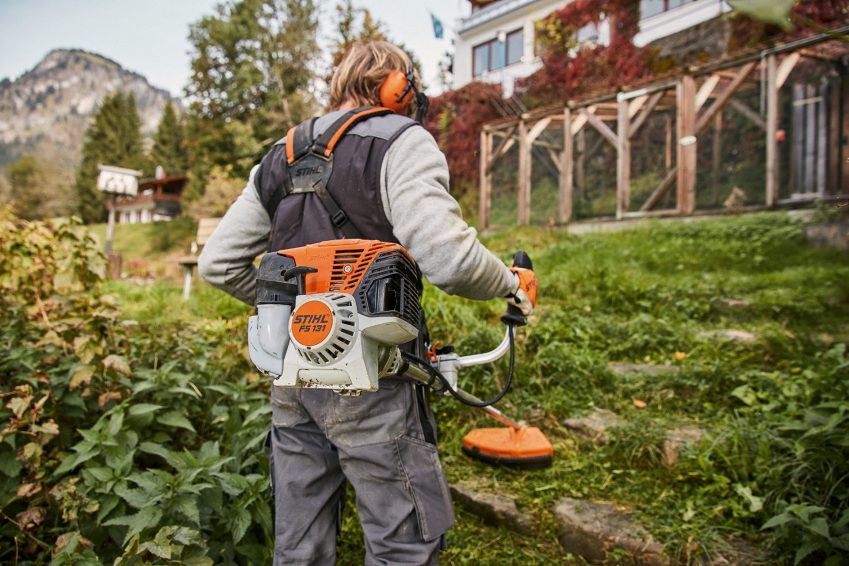
STIHL 4-MIX®
Featured on some brushcutters and backpack blowers, the STIHL 4-MIX® engine uses the operating principle of a four-stroke engine with 2-stroke fuel mix. It provides high engine power, greater torque, and fewer harmful emissions.
More on the STIHL 4-MIX engine
Magnesium pistons
STIHL chainsaws use magnesium alloy pistons for a lightweight, high-performance design. This innovation improves efficiency while keeping tools easy to handle.
More on our magnesium piston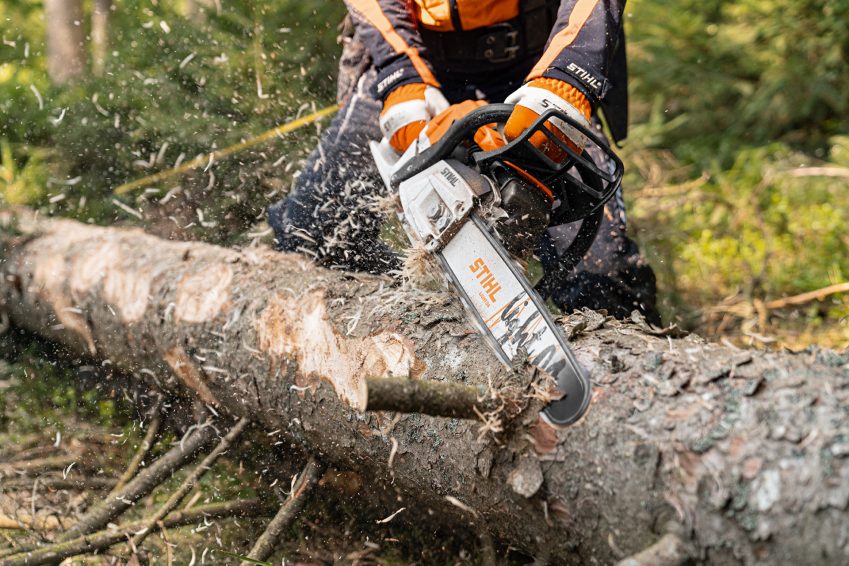
STIHL 2-MIX engine
The STIHL 2-MIX two-stroke engine delivers high power, fast acceleration, and reduced fuel consumption, thanks to the stratified scavenging system.
More on the STIHL 2-MIX engine
Fuel injection technology
Fuel injection in STIHL MS 500i chainsaws and TS 500i cut-off saws delivers fuel precisely when needed, ensuring quick acceleration and consistent performance at all altitudes and temperatures.
More on fuel injection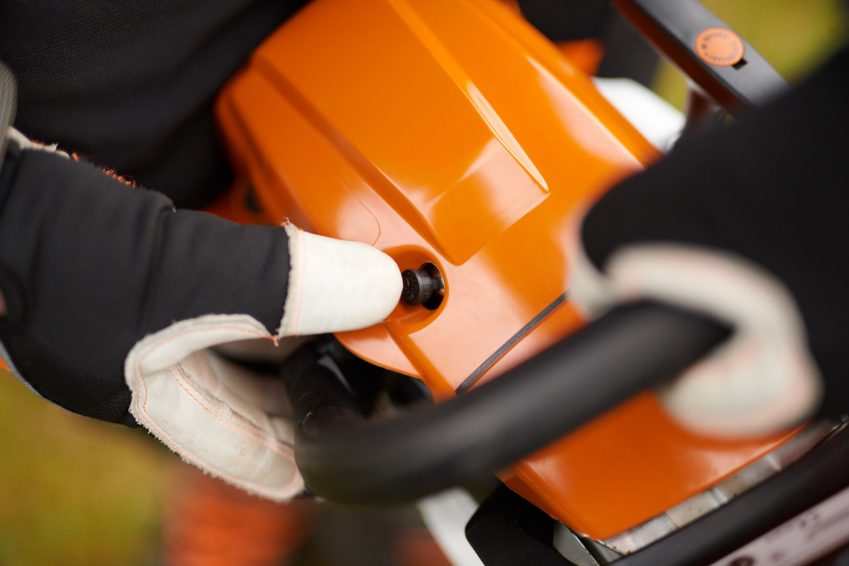
Decompression valve
The decompression valve reduces starting effort by temporarily releasing pressure in the cylinder, reducing strain and fatigue.
More on the decompression valve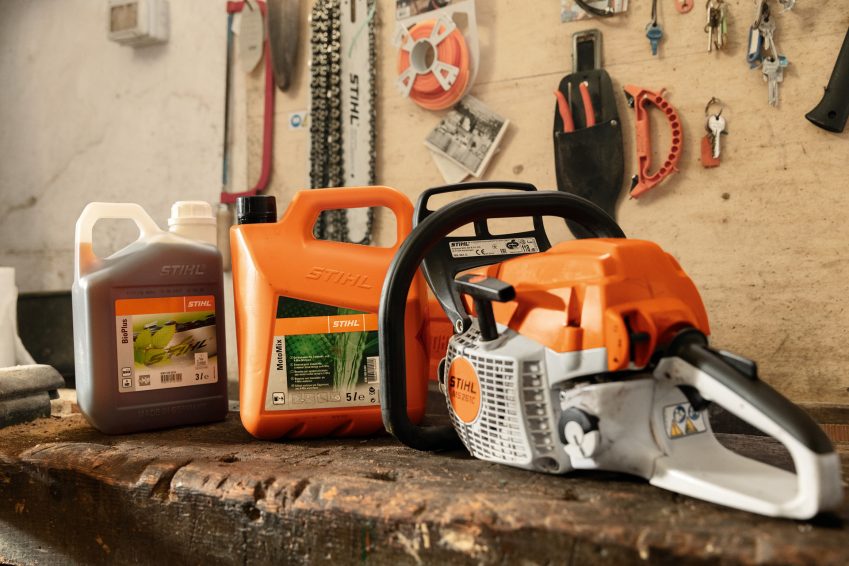
STIHL fuel tank cap
Tool-free tank caps allow quick and clean refuelling with no tools required, even while wearing gloves.
More on the STIHL fuel cap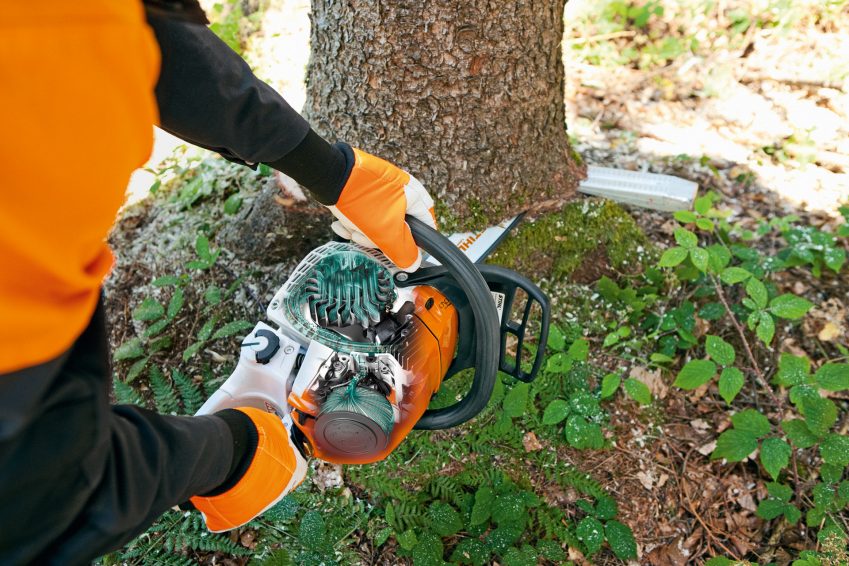
STIHL air filter system
The long-life air filter system separates dust particles efficiently and extends the service life of the air filter.
More on the long-life air filter system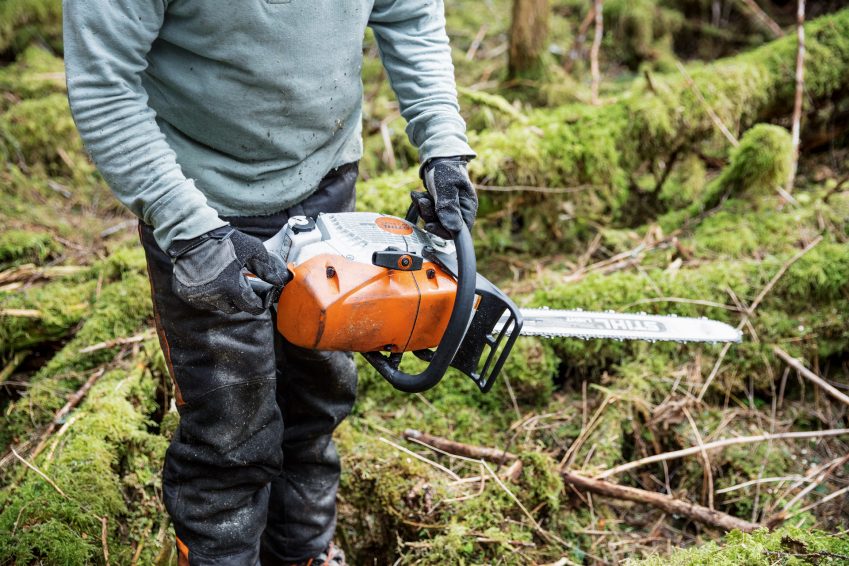
STIHL carburettor heater
The electric carburettor heater prevents icing at temperatures below 10°C, ensuring reliable starting and performance in winter.
More on the carburettor heater