


Top Picks
Buyer's Guide
Forestry Axes, Splitting Mauls & Hatchets Buyer's Guide
An axe, a maul and a hatchet look similar but do three different jobs — cutting across the grain, forcing wood apart along it, and one-handed close work. This guide covers how to tell them apart and pick the right head weight, handle length and build for the cutting or splitting you actually do.
Axe vs Maul vs Hatchet: Which One Actually Does the Job
A felling axe has a thin, wedge-shaped blade designed to cut across wood fibres — it needs to bite in and slice. A splitting maul has a much wider, heavier head designed to force logs apart along the grain, using weight rather than a sharp edge to do the work. A hatchet scales either job down to one hand, for limbing, kindling, or close-range trimming. Using an axe to split rounds dulls the edge fast; using a maul to fell or buck wastes energy on every swing. This range covers all three from STIHL, Bison, Tatanka and Silky Fox, so you can match the tool to the actual task rather than reaching for one do-it-all axe.
Head Weight & Handle Length: Getting the Swing Right
Heavier heads (2.5-3kg) carry more force into a splitting maul swing and suit larger rounds, while lighter heads (1-1.5kg) on a universal axe give more control for felling and limbing over a full day's work. Handle length follows the same logic: longer handles (700-900mm) generate more swing speed and power for splitting and felling, while shorter handles (330-400mm) on a hatchet trade power for one-handed control at close range. Pick the heaviest, longest tool you can swing accurately and safely for the job in front of you — not the biggest one on the shelf.
Splitting Axes & Mauls for Log Processing
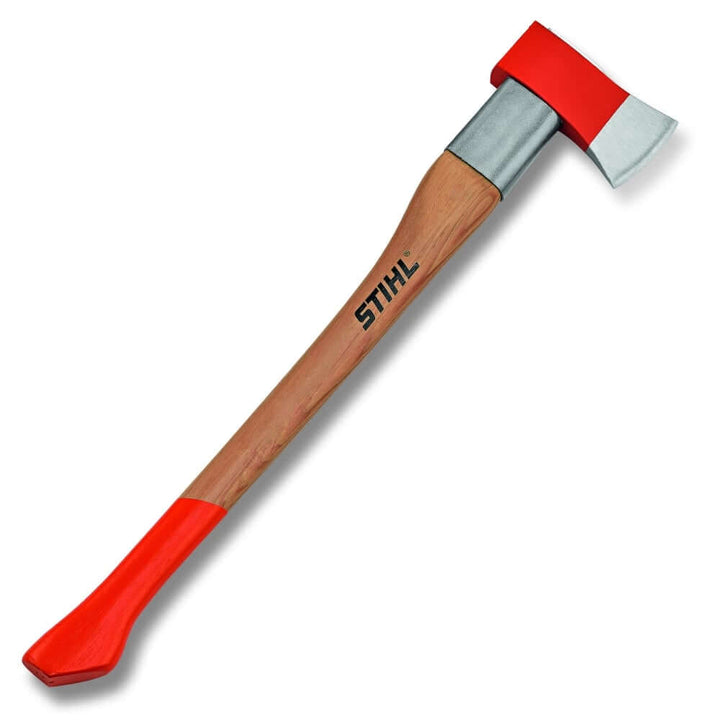
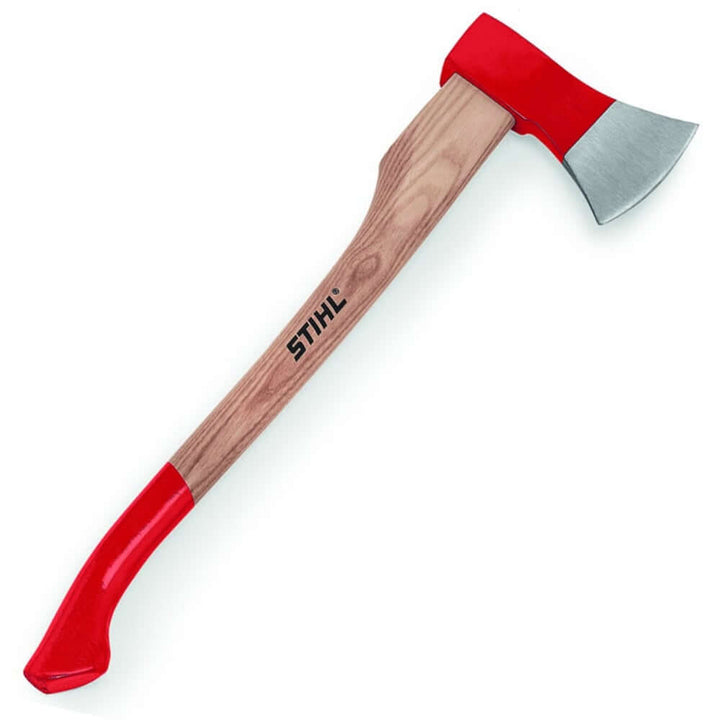
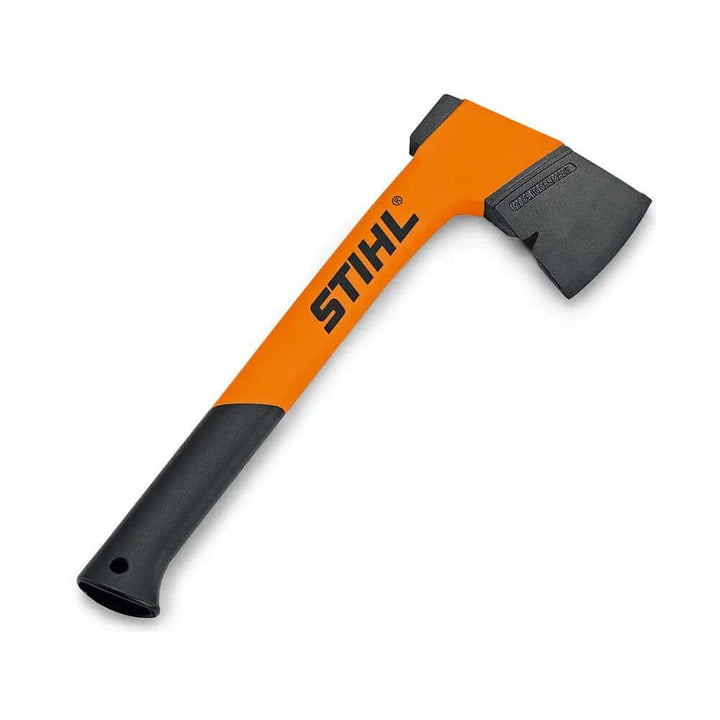
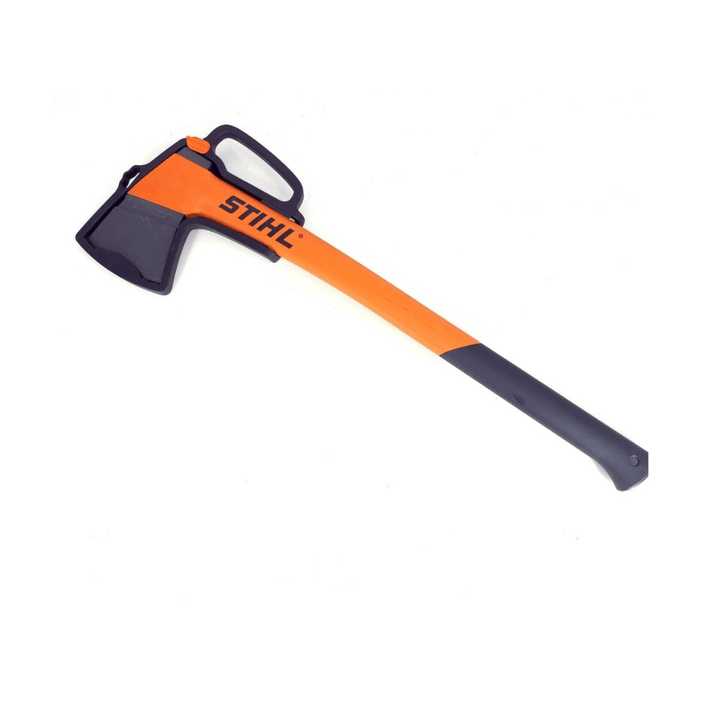
Splitting axes and mauls use a wide, wedge-profiled head to force wood apart along the grain rather than cut across it, making log rounds far quicker to process than with a felling axe. Our range spans everything from the STIHL AX 20 PC cleaving axe to heavier 3kg fibreglass-handled splitting mauls for bigger rounds. If you're working exclusively with STIHL kit and want the full matched splitting range, our STIHL Splitting Axes & Mauls collection covers that brand in more depth.
Felling & Chopping Axes for Trunk Work
Felling and chopping axes carry a thinner bit than a splitting maul, built to bite into standing or felled timber and cut across the grain rather than force it apart. They're the right choice for notching, felling smaller-diameter trees, and general chopping work where a chainsaw is overkill or unavailable. Look for a bit profile matched to the timber you're cutting most — a narrower bit for hardwood, a wider bit for softer, faster-growing species.
Hatchets & Billhooks for One-Handed Work
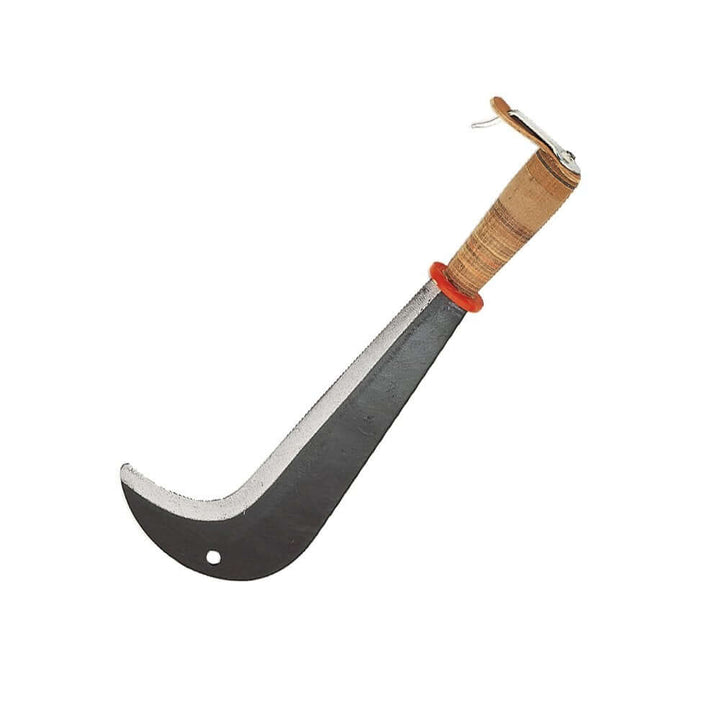
For limbing, kindling, and close-range trimming where a full-length axe is unwieldy, a one-handed hatchet or billhook does the job with more control and less fatigue. The Silky Ono 120 Axe and Yoki 270 Billhook are built for this kind of precise, repetitive cutting rather than heavy splitting or felling, with a shorter blade and handle that keep the tool balanced in one hand.
Handles & Replacement Parts
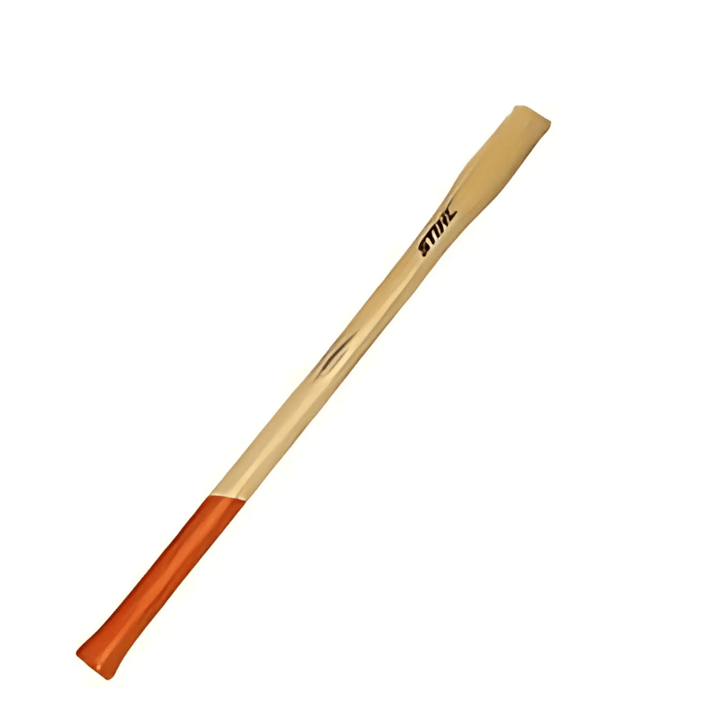
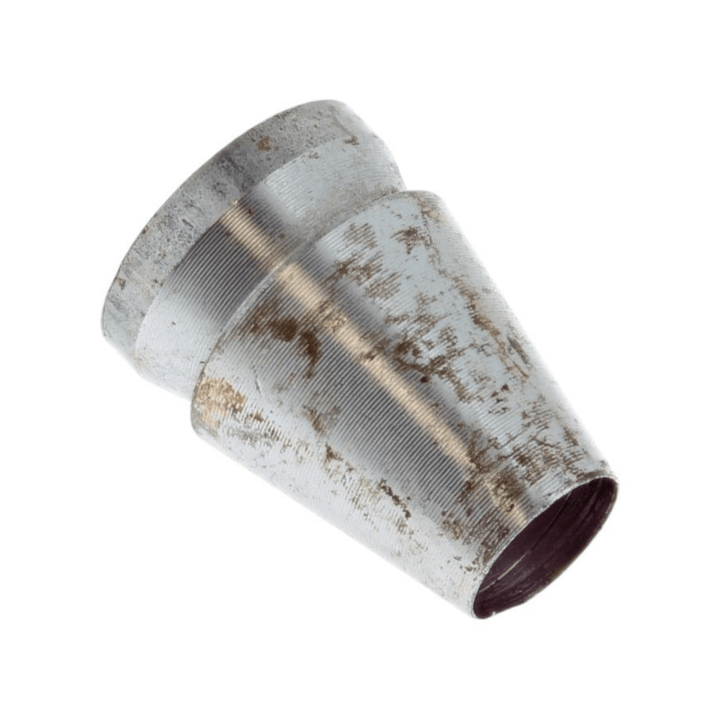
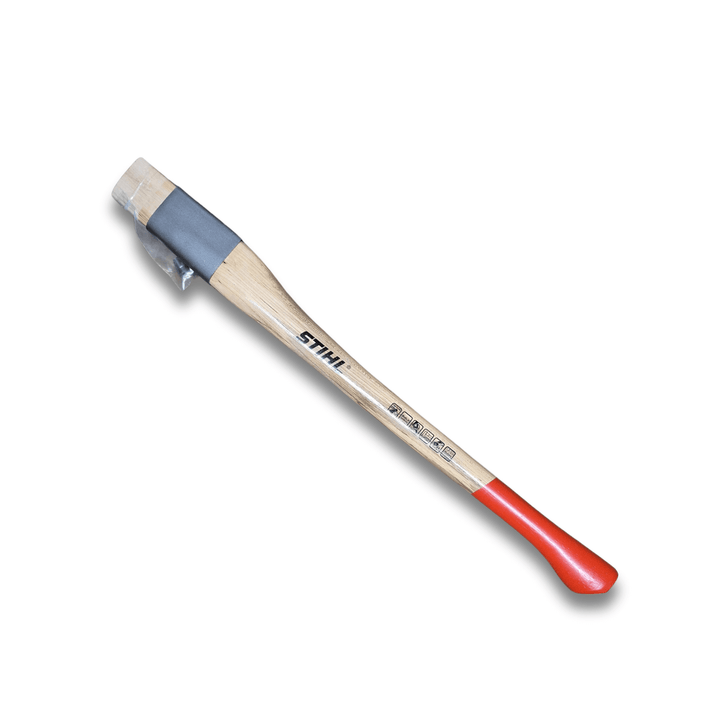
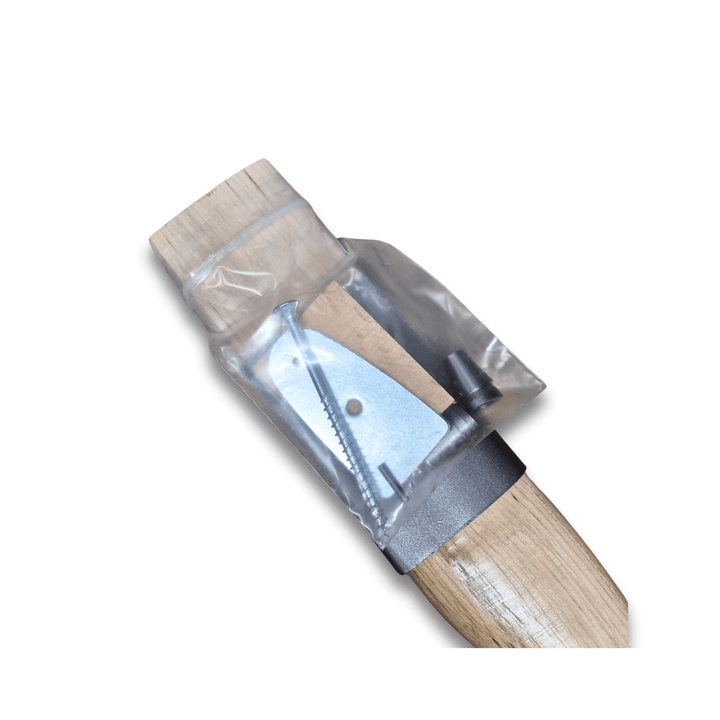
A cracked or loosened handle is the most common reason a good axe head ends up in a drawer. Rather than replace the whole tool, STIHL hickory and ash replacement handles let you re-haft a cleaving axe and keep using a head you already trust. Ring wedges secure the head to the handle and are worth checking annually — a loose head is a safety issue as much as a performance one.
Build Quality: Wood vs Fibreglass Handles
Wood handles (hickory or ash) flex slightly on impact, absorbing shock and giving good feedback in the hand, but need periodic care and can crack if left to dry out. Fibreglass handles are close to maintenance-free and more resistant to rough treatment, at the cost of a stiffer, more jarring feel on a mis-hit. Neither is wrong — it comes down to whether you'd rather maintain a handle or replace one occasionally.