


Top Picks
Buyer's Guide
Felling & Splitting Wedges Buyer's Guide
Felling wedges and splitting wedges look similar but do different jobs — one goes in behind a running chainsaw during the back-cut, the other is driven with a sledge to force a bucked log apart. This guide covers which material and size to choose for each, plus how to use a wedge safely during a felling cut.
Felling Wedges vs Splitting Wedges: Two Different Jobs
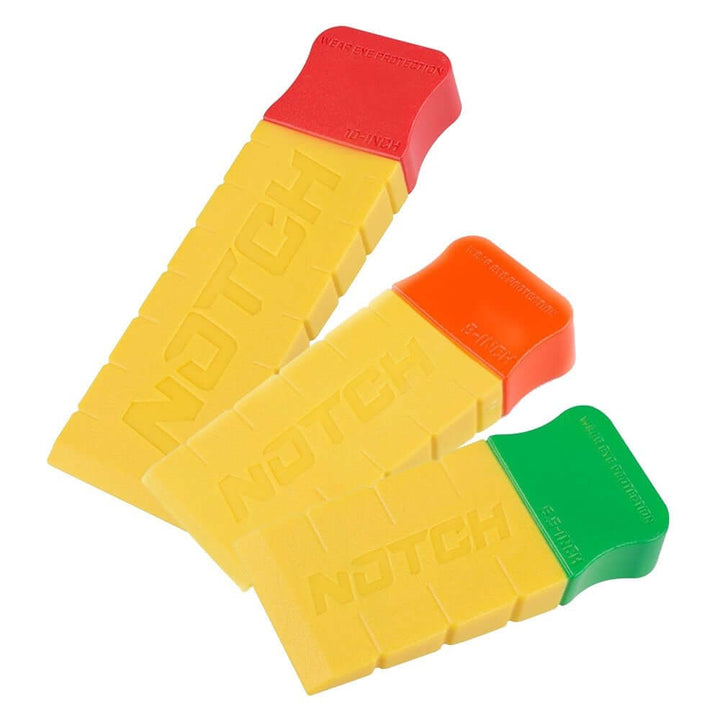
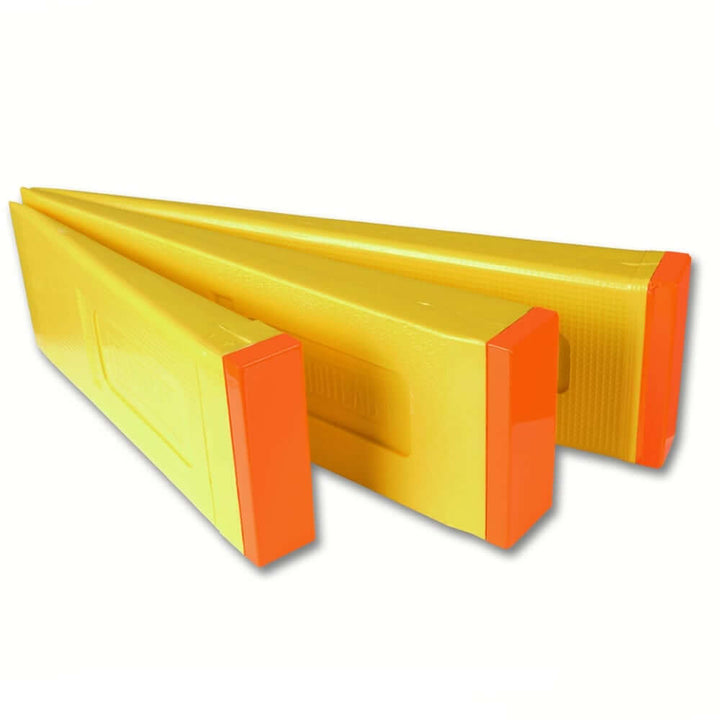
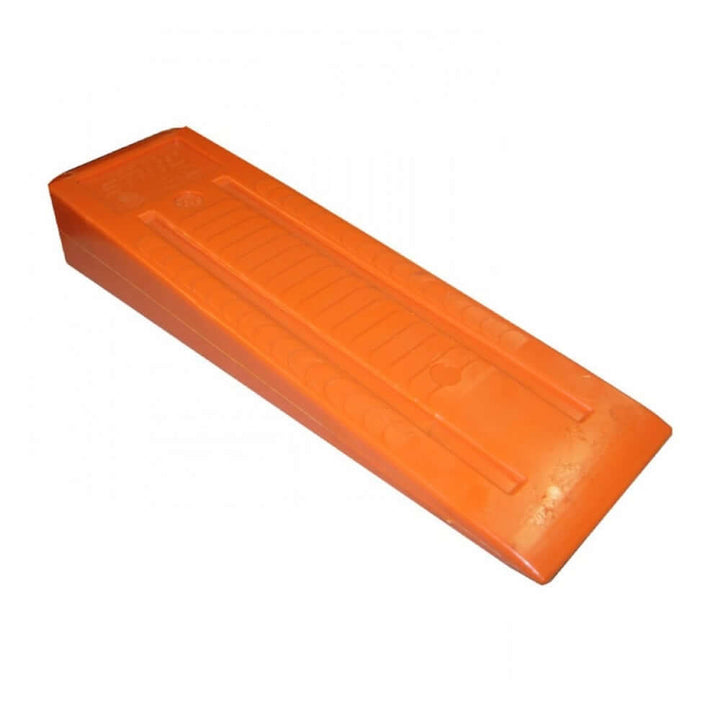
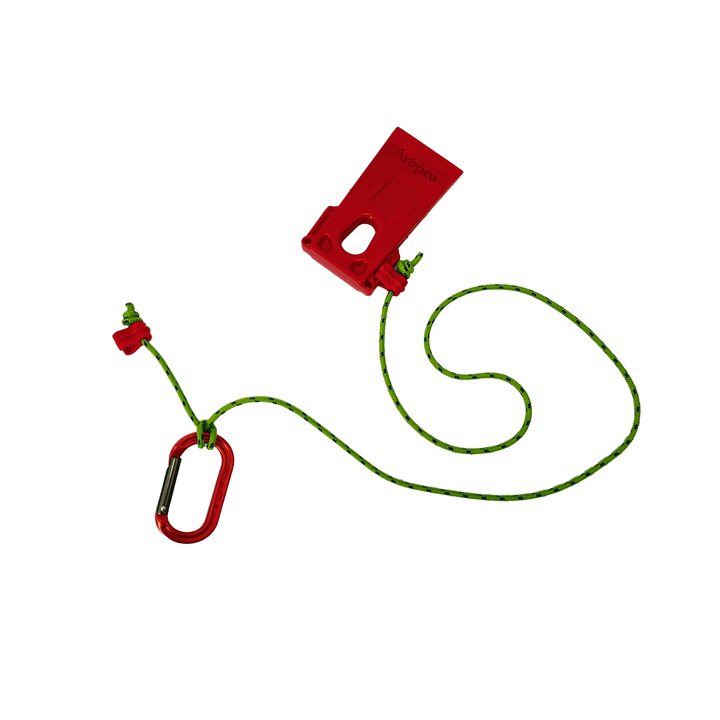
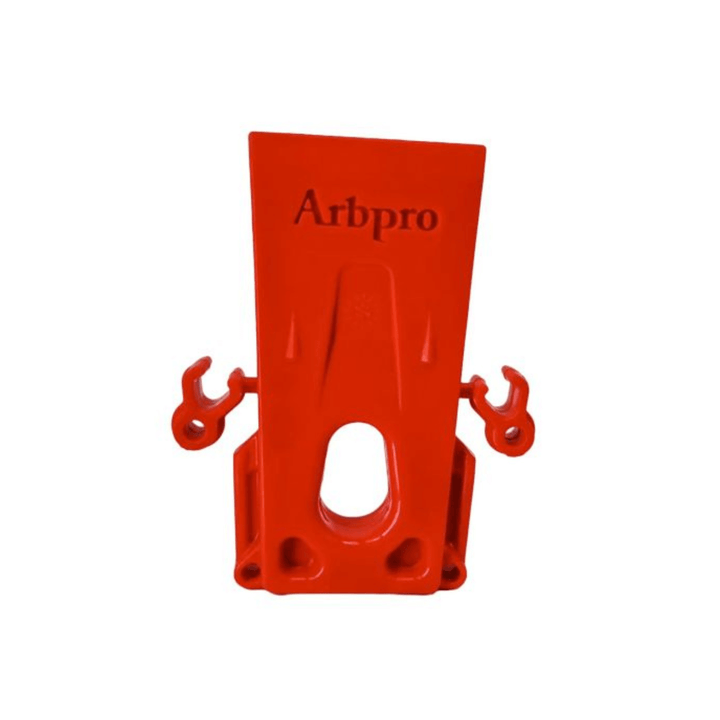
A felling wedge goes in behind a running chainsaw during the back-cut to stop the bar pinching and to help steer the tree's direction of fall — it has to be plastic or a chainsaw-safe alloy, because a hard metal wedge near a moving chain is a real hazard. A splitting wedge is a different tool entirely: hardened metal, driven with a sledgehammer to force a cut log apart along the grain, with no chainsaw anywhere near it. This range carries both from ArbPro, STIHL, Bison and Notch, so check which job you're buying for before choosing a material.
Material Guide: Plastic, Aluminium & Polyamide
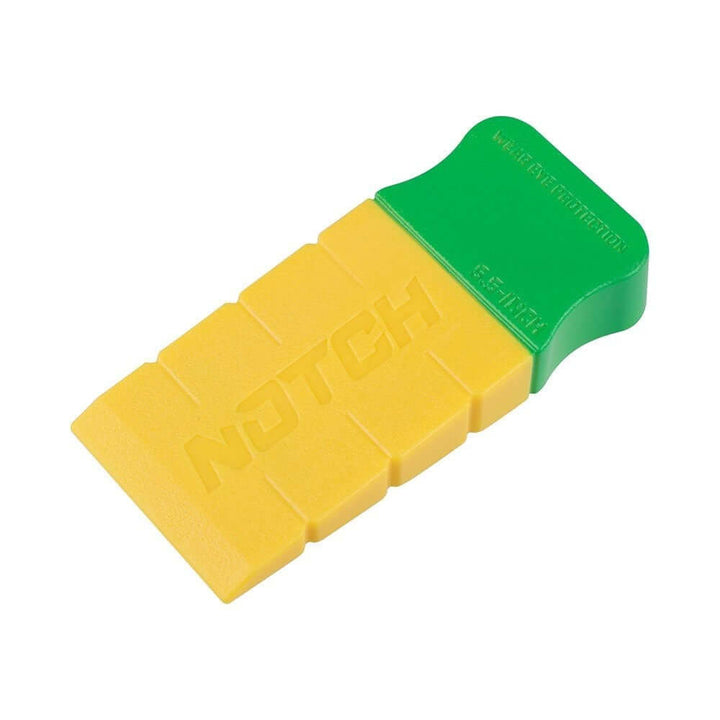
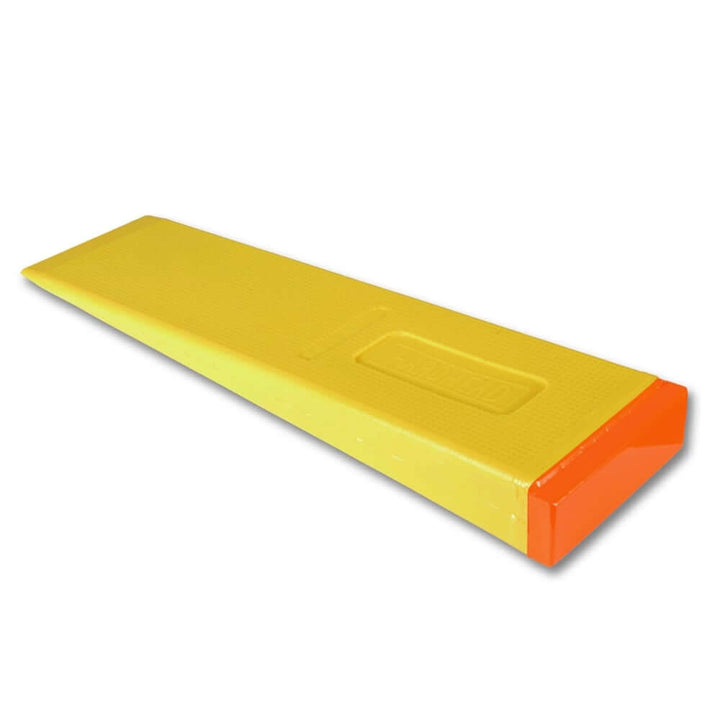
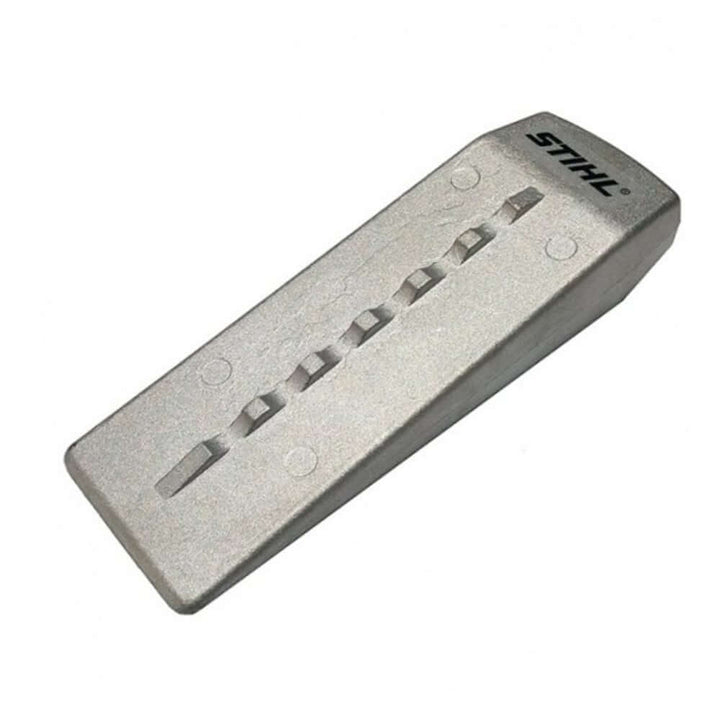
Plastic and polyamide wedges are the standard choice for felling work directly behind a chainsaw — tough enough to take a mallet strike but soft enough to never damage a chain if the bar catches one. Aluminium wedges hold an edge and grip better in tougher timber, and some (like STIHL's rotating design) are built specifically to bite and hold under repeated hammer strikes during a difficult back-cut. Reach for aluminium when plastic keeps slipping out; reach for plastic whenever the chainsaw is still running nearby.
Using a Wedge Safely During the Back-Cut
The wedge goes in as soon as there's enough kerf to take it — usually once the back-cut is a few centimetres deep — and gets tapped in gradually as the cut progresses, never hammered in hard from the start. Its job is to stop the tree settling back and pinching the bar, and to add a controlled nudge toward the intended direction of fall. Keep the wedge angle consistent with the hinge you're leaving, and always use a plastic or chainsaw-safe wedge for this step, never a metal splitting wedge.
Splitting Wedges for Log Processing
Once a tree is down and bucked into rounds, splitting wedges take over from felling wedges. A rotating or aluminium splitting wedge is driven in with a sledge or splitting maul to force stubborn or knotty rounds apart where an axe alone won't manage it. Grenade-style splitters take a different approach, using multiple angled blades to split a round into several pieces in one strike — useful for processing firewood quickly rather than one clean log at a time.
Wedge Size & How Many to Carry
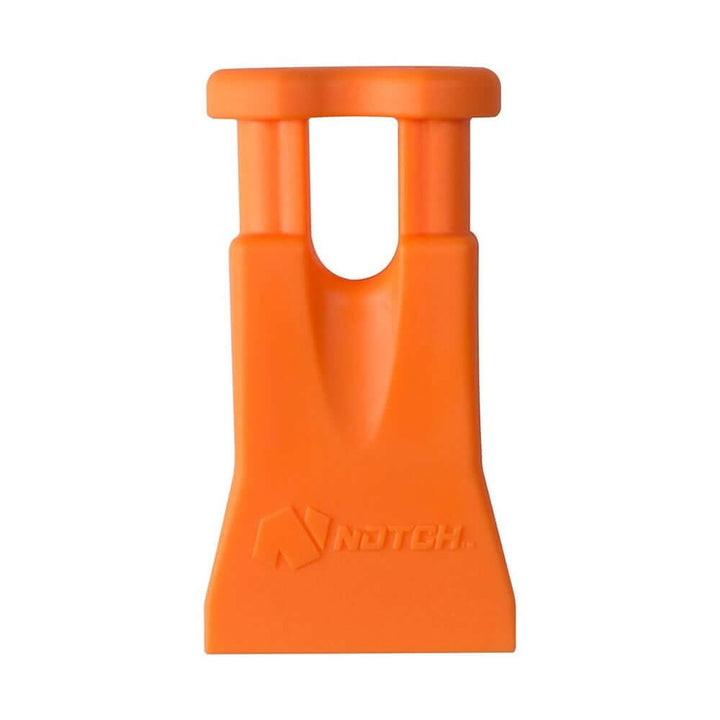
Most arborists carry at least two felling wedges of the same size so a second can be driven in behind the first if a cut needs more lift, plus a spare in case one is lost or damaged on site. Larger timber calls for longer wedges (7–8") to keep enough working length once partially driven in; smaller diameter trees are fine with a 5.5" wedge. Keep sizes consistent within your kit so wedges are interchangeable and you're not guessing which one fits which job.
Replacement Parts: Rings, Handles & Rebuilding a Hi-Lift Wedge
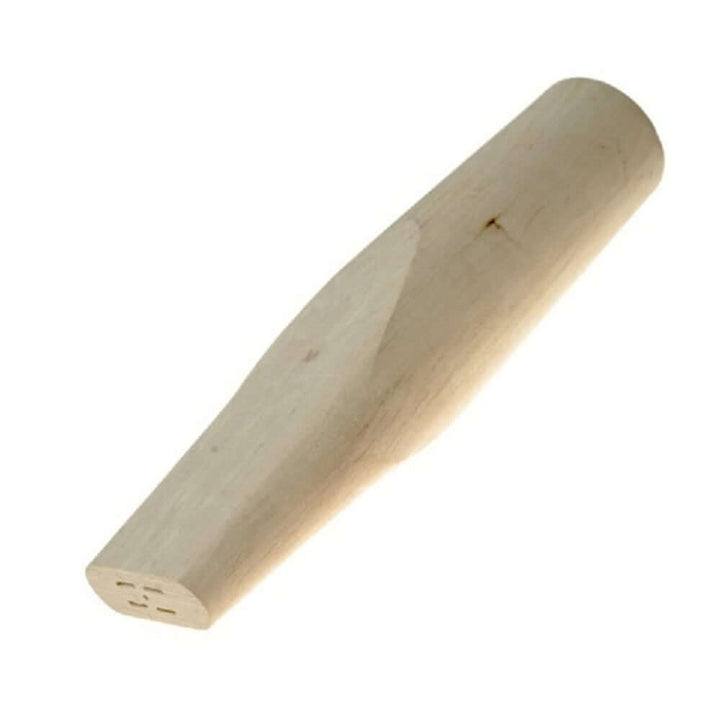
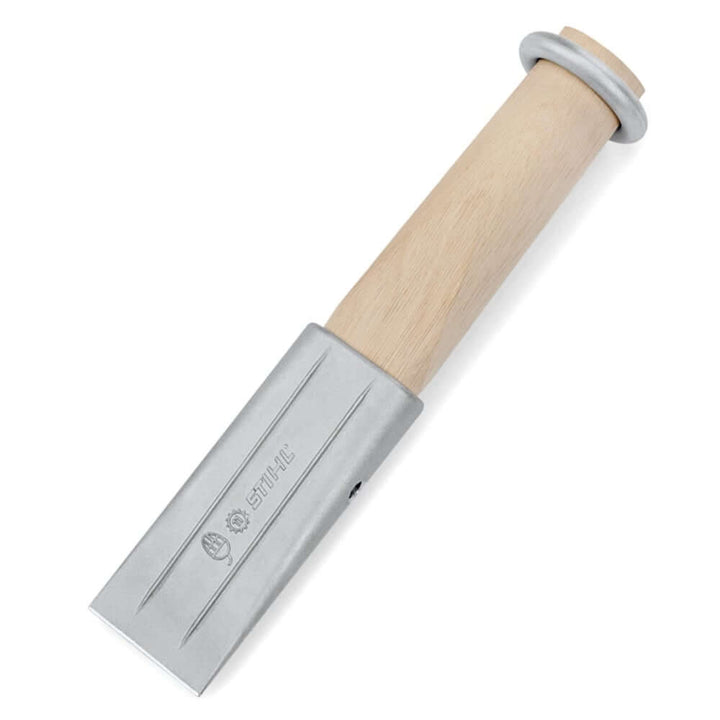
A hi-lift felling wedge is a rebuildable tool, not a disposable one — the ring, wooden shaft and handle are all available separately, so a worn or cracked part doesn't mean replacing the whole wedge. Check the ring and shaft for wear each time you service your kit, since a failing ring under load is what actually causes a hi-lift wedge to fail on site.
Storage & Care
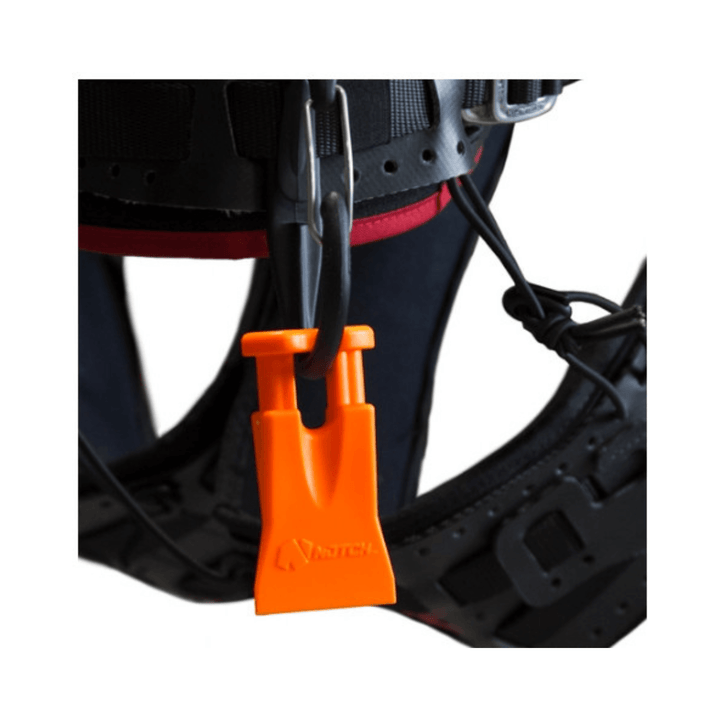
Wedges live in a pocket or pouch on the belt during a felling job, but at the end of the day they're easy to lose in brash or leaf litter if left loose on the ground. Rinse mud and sap off plastic and aluminium wedges before storing, and check regularly for cracking or mushrooming at the strike face — a damaged strike face is more likely to shed fragments under a hard hit.