


Top Picks


Buyer's Guide
Forestry Belts & Holsters Buyer's Guide
STIHL's ADVANCE X-FLEX system builds a tool belt from individual holsters and pouches rather than one fixed design, so the load matches the job. This guide covers building a setup, matching holsters to specific tools, and fitting a belt system so weight sits comfortably over a full day.
Build a System, Not a Fixed Belt
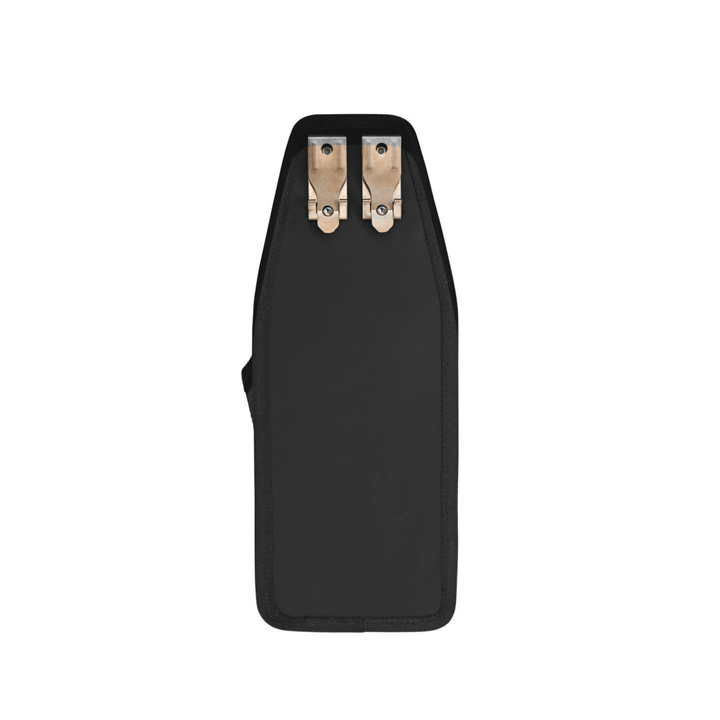
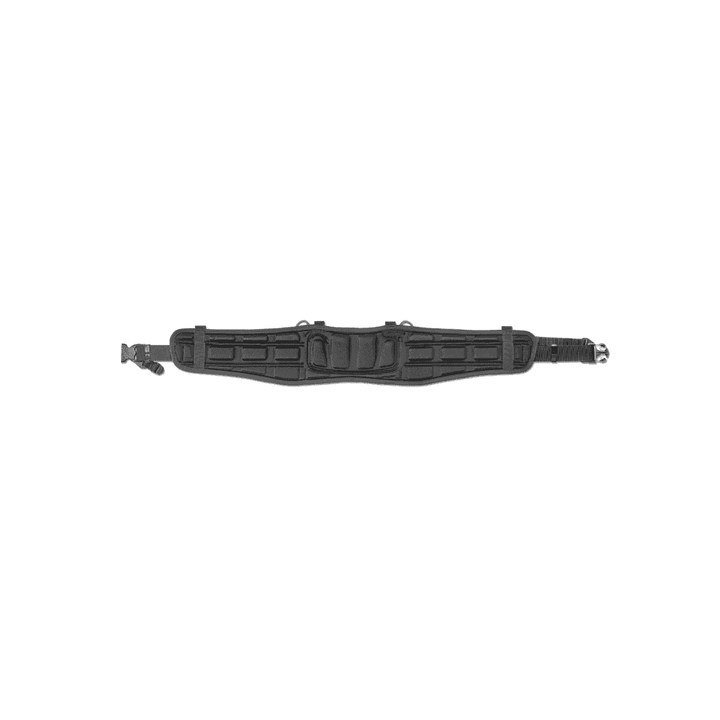
STIHL's ADVANCE X-FLEX range is modular rather than a single fixed belt — individual holsters, pouches and harnesses clip on and off a waist belt separately, so the load you carry matches the specific job rather than hauling every tool all day regardless of need. Build a lighter setup for climbing work and a fuller one for ground-based site work from the same core belt.
Tool-Specific Holsters
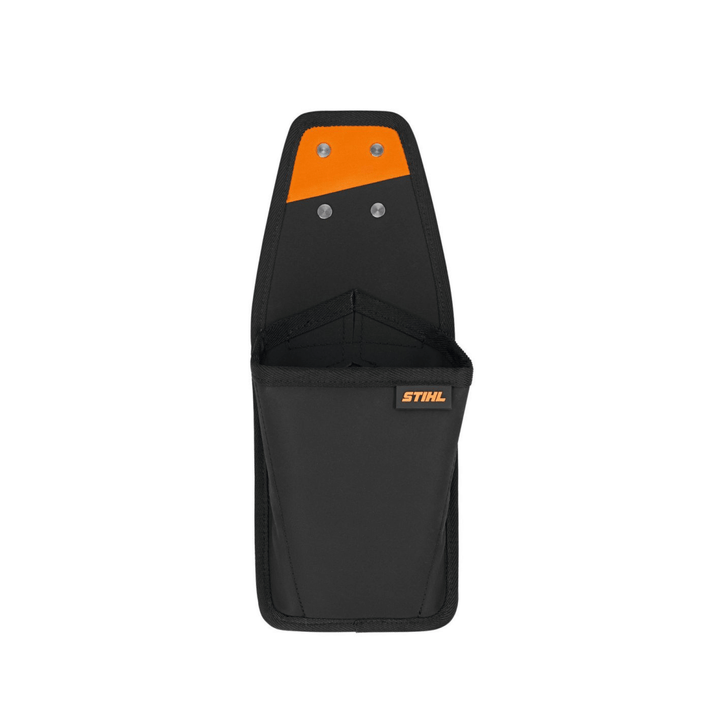
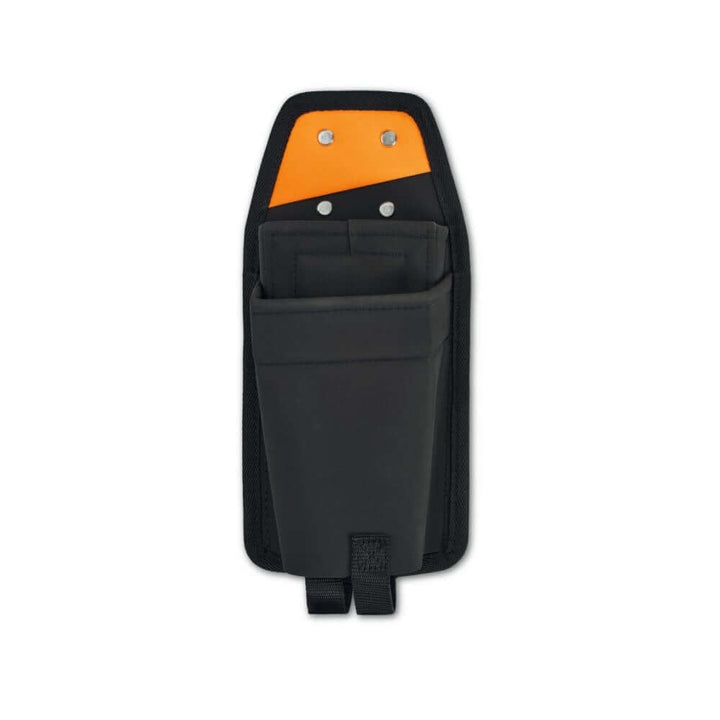
A secateur holster, an ASA holster and a caliper holder are all shaped and sized for their specific tool rather than being a generic pouch, keeping the tool secure and quick to draw one-handed. Match the holster to the exact tool you're carrying — a loose-fitting generic pouch is more likely to drop a tool than a properly sized holster.
Radio, Phone & Battery Carrying
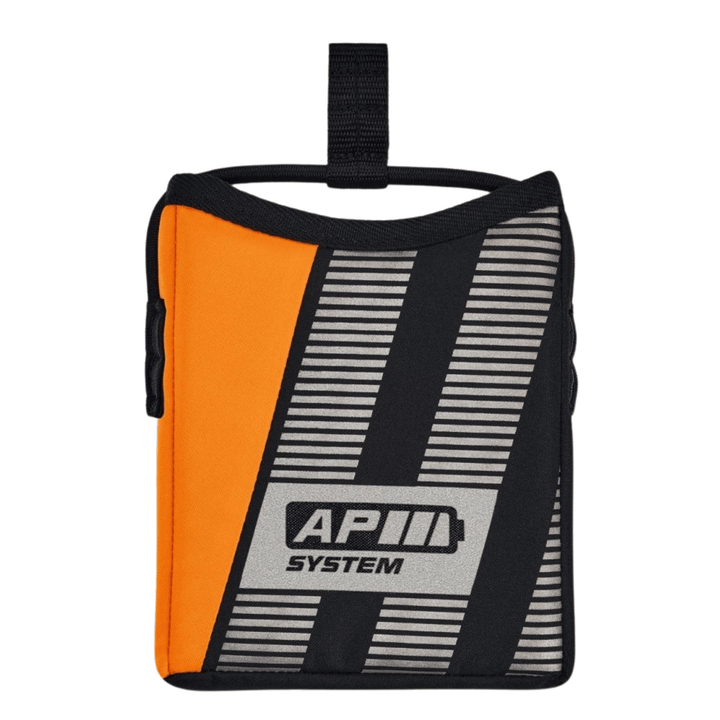
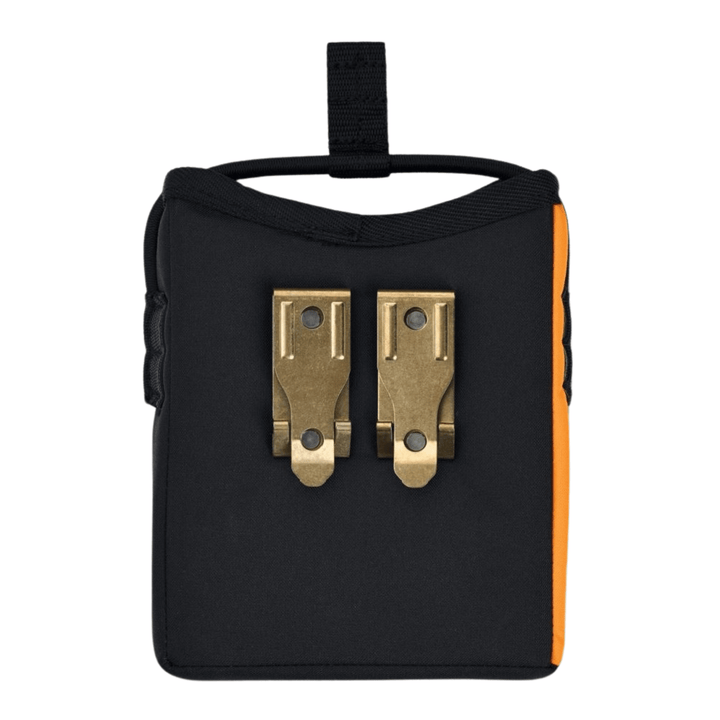
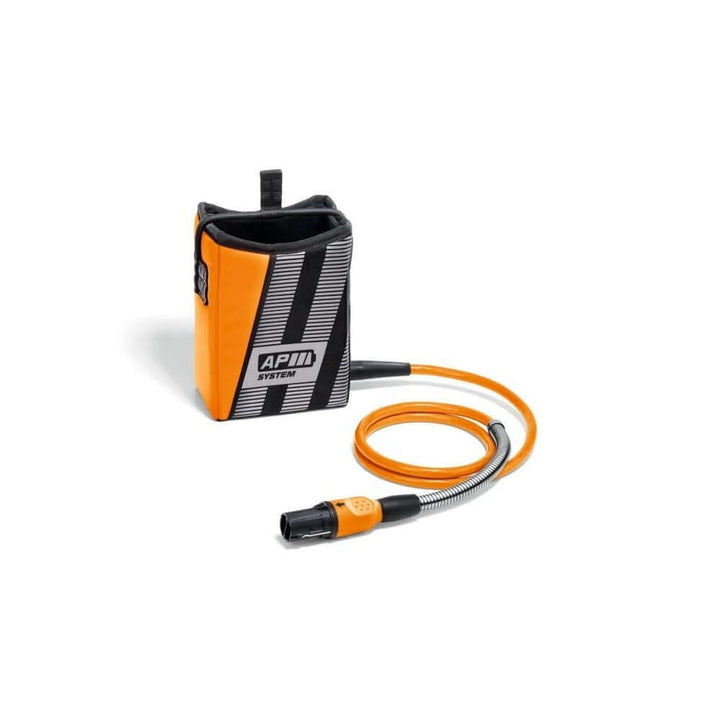
Beyond hand tools, a working belt often needs to carry a radio, phone and spare battery too. The X-FLEX radio holder, phone bag and AP battery bag are all designed to sit on the same belt system without adding bulk in the way of movement — useful for anyone running cordless STIHL tools who needs a spare battery within reach rather than back at the van.
Weight Distribution: Harnesses & Waist Pads
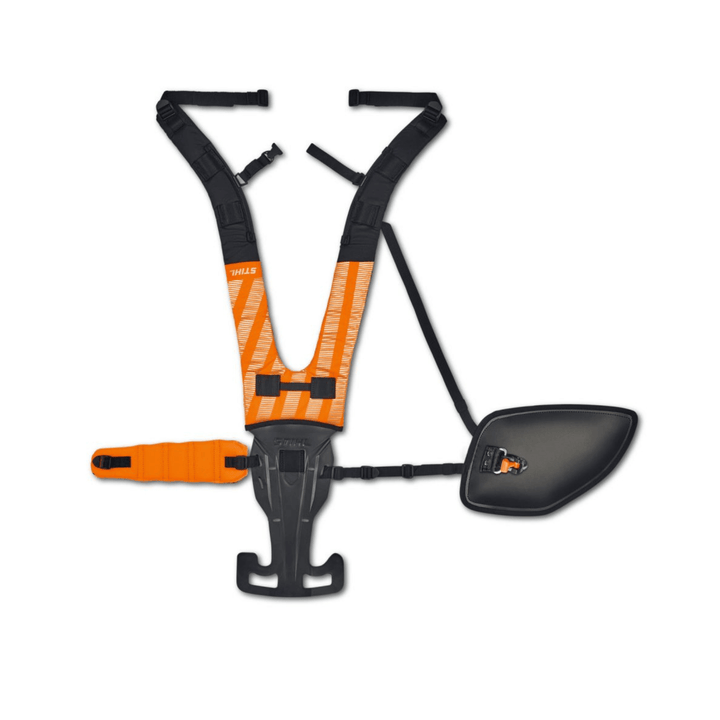
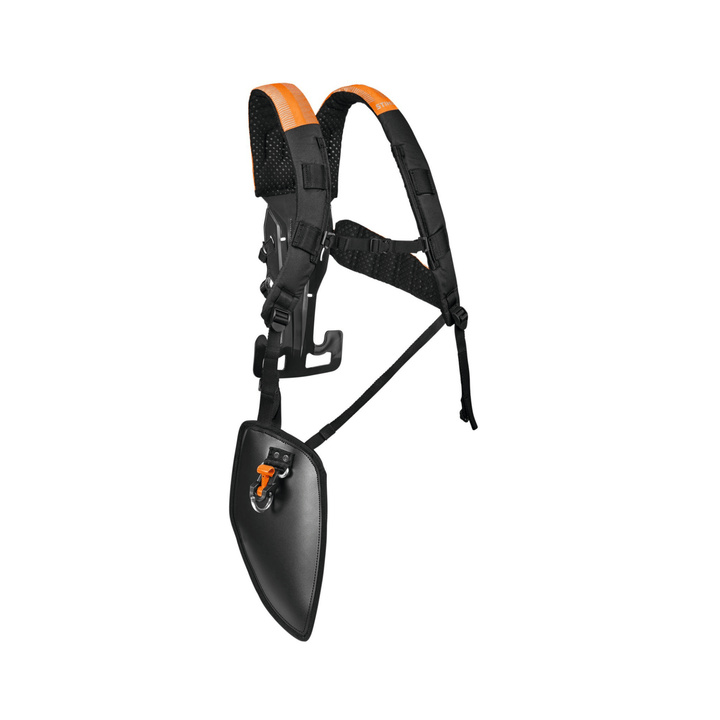
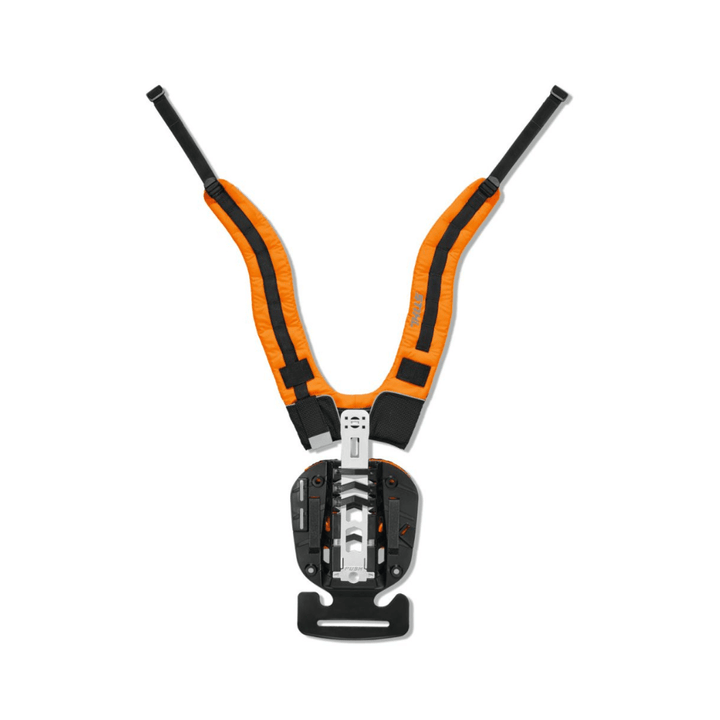
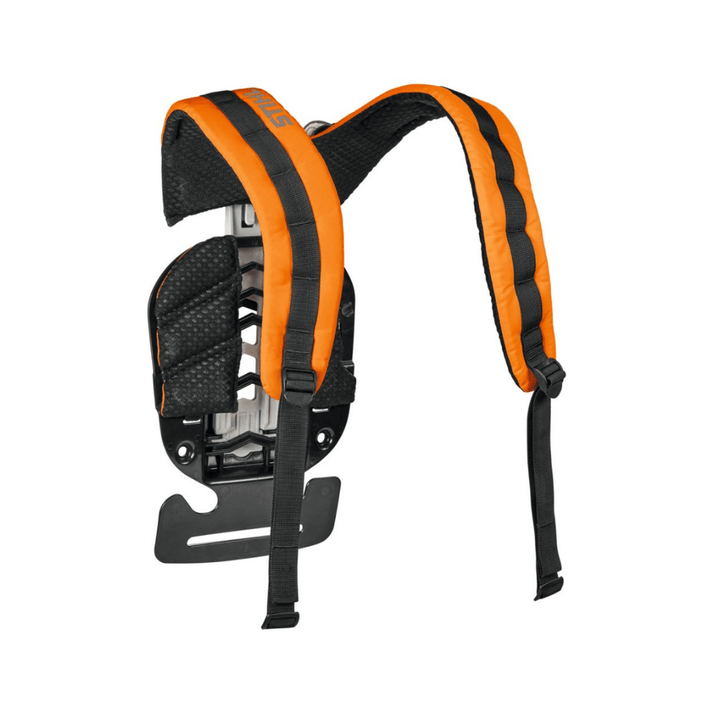
A fully loaded tool belt puts real weight on the hips over a working day, and a shoulder harness or waist pad redistributes that load rather than letting it all sit on one point. The FS/FSA and HT/HL harnesses are matched to specific tool types (strimmers vs hedge trimmers/loppers), so pick the harness built for what you're actually carrying rather than a generic one.
Worksite Accessories: Tape, Chalk & Cable Management
A tape holder and chalk holder keep measuring and marking tools accessible alongside cutting tools on the same belt, rather than needing a separate bag for site paperwork tasks. A cable guide keeps a battery cable tidy and out of the way when running a corded or tethered accessory from a belt-mounted battery bag, reducing the chance of snagging it on a branch mid-job.
Leather vs X-FLEX Nylon
A traditional leather tool belt is simple, durable and needs no assembly, but it's a fixed single unit rather than a system you can reconfigure. The X-FLEX nylon range trades that simplicity for modularity — more setup, but a belt that adapts to different jobs rather than being built for one purpose. Choose leather for a straightforward, low-maintenance setup; choose X-FLEX if you're switching between different types of work regularly.
Fitting a Belt System Correctly
A belt worn too loose shifts and swings tools around as you move, while one worn too tight restricts breathing and movement over a long day. Adjust the waist belt first for a snug, stable base before clipping on holsters and pouches, and position frequently used tools (secateurs, radio) within easy reach of your dominant hand rather than symmetrically for appearance's sake.