


Top Picks
Buyer's Guide
Secateurs Buyer's Guide
The right pair of secateurs comes down to more than bypass vs anvil — hand size, cutting volume and even which hand you favour all change what's actually right for you. This guide covers choosing between manual and cordless, sizing to your hand, and keeping a pair working season after season.
Bypass vs Anvil: Which Cut Do You Need
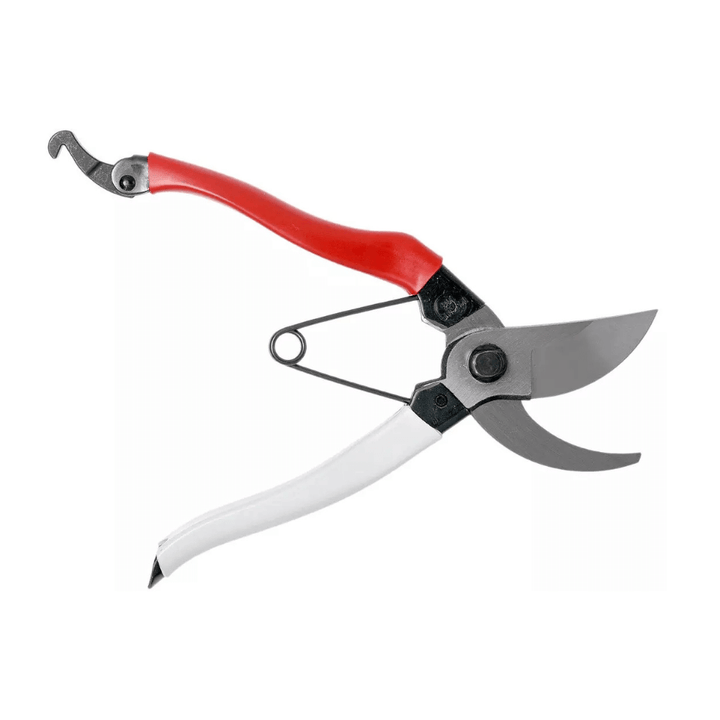
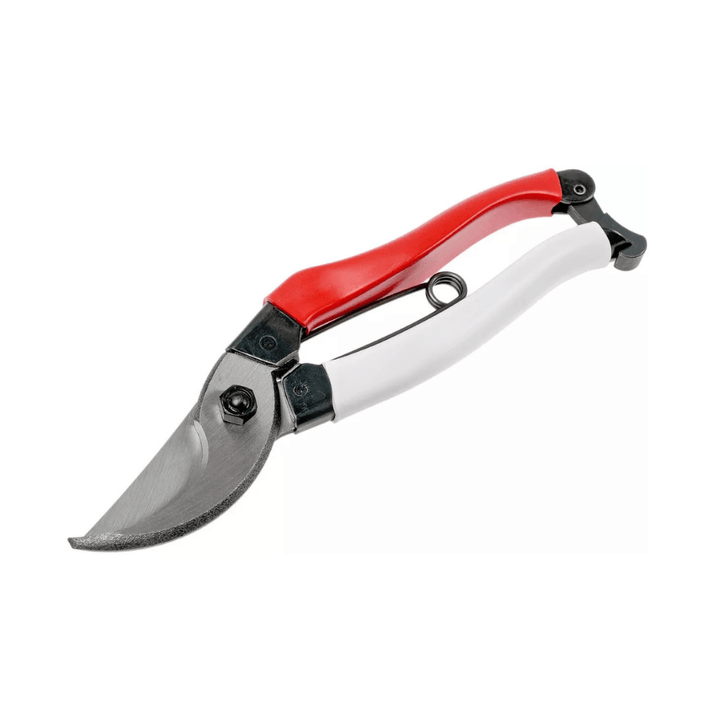
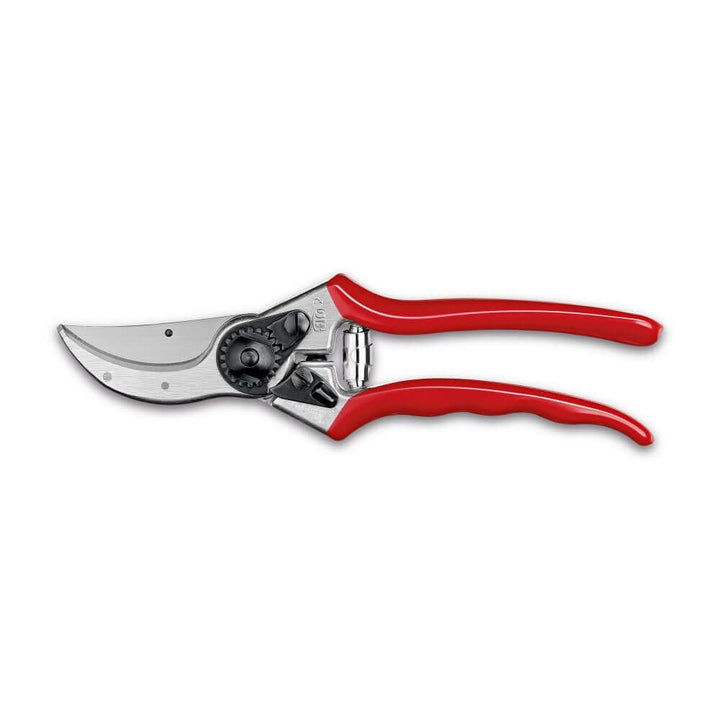
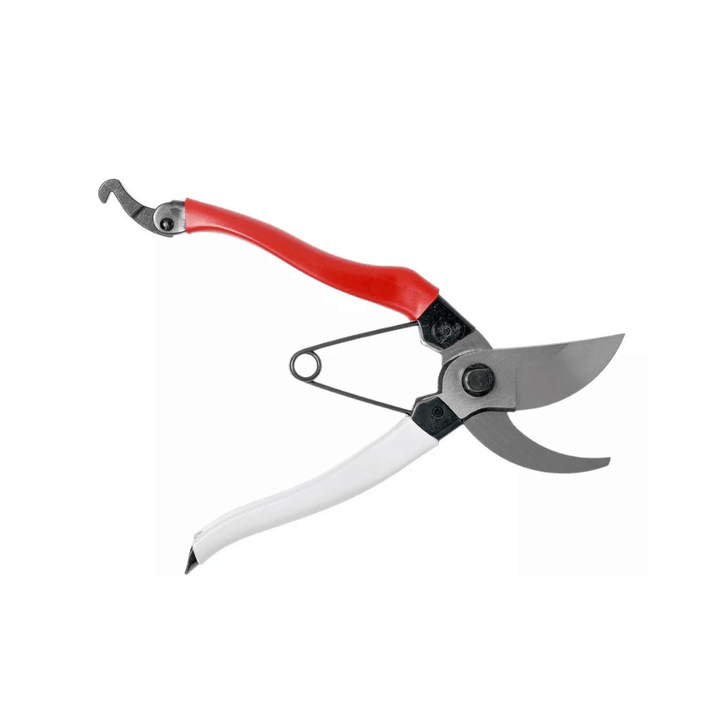
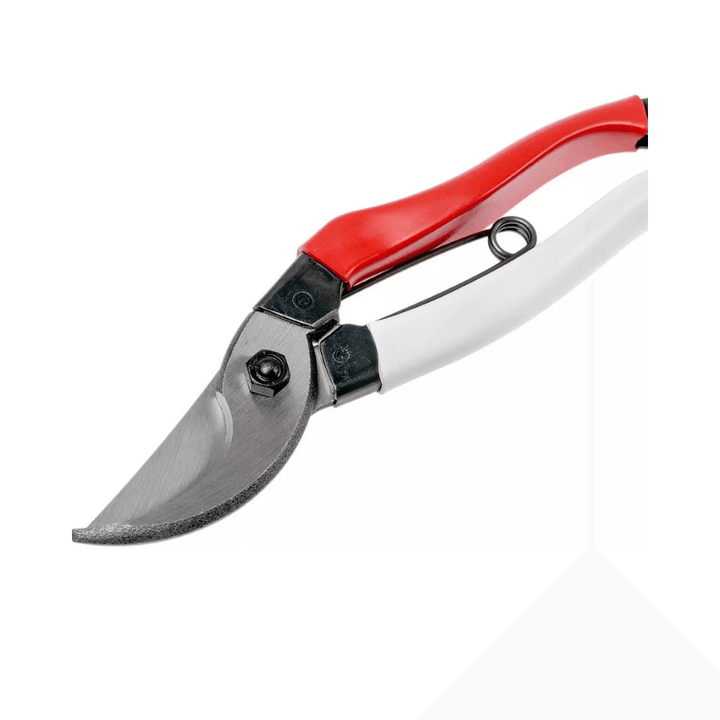
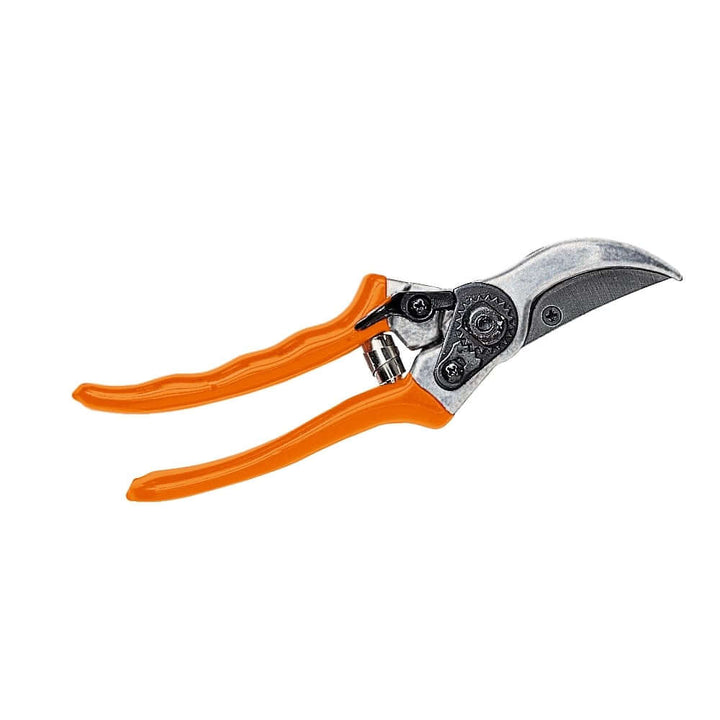
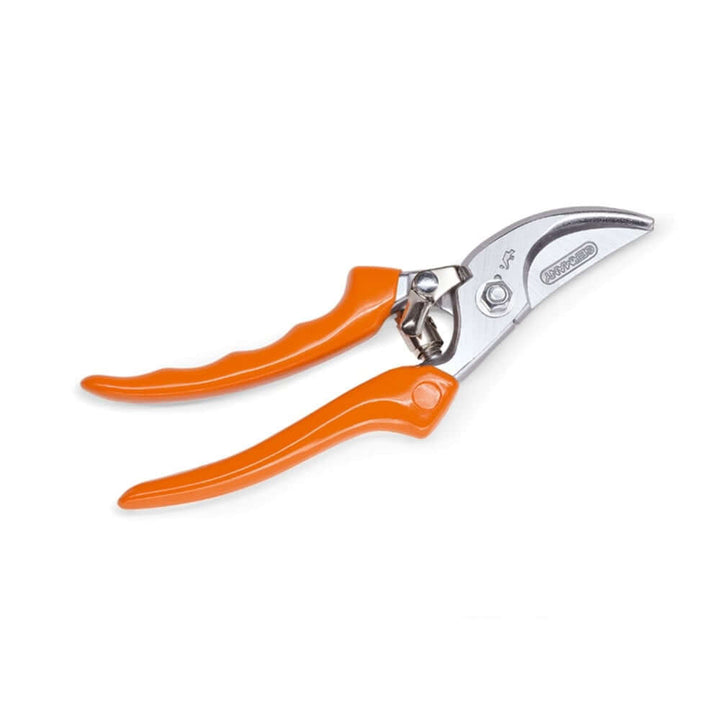
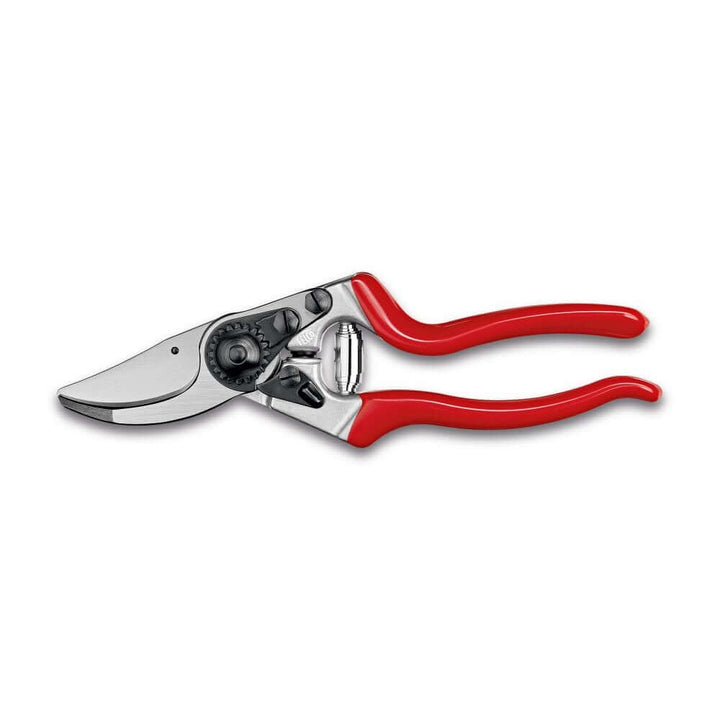
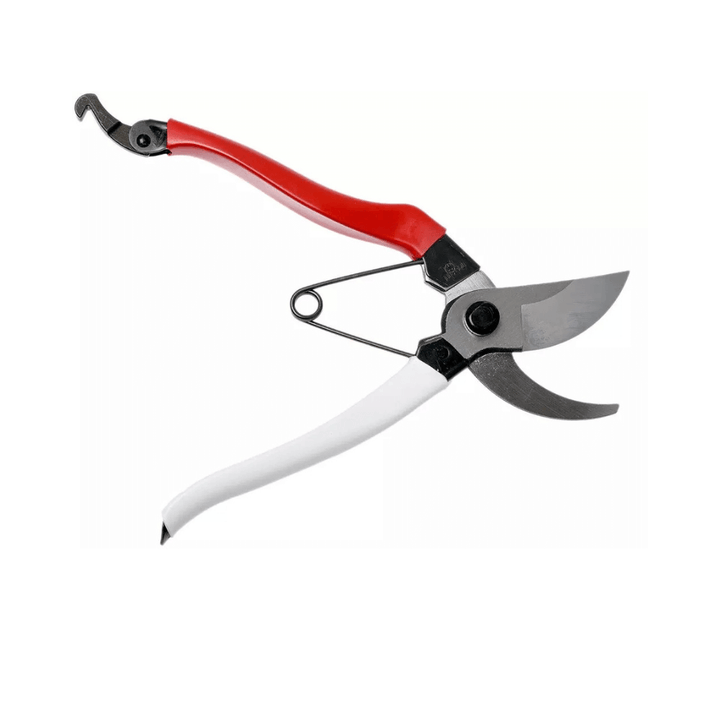
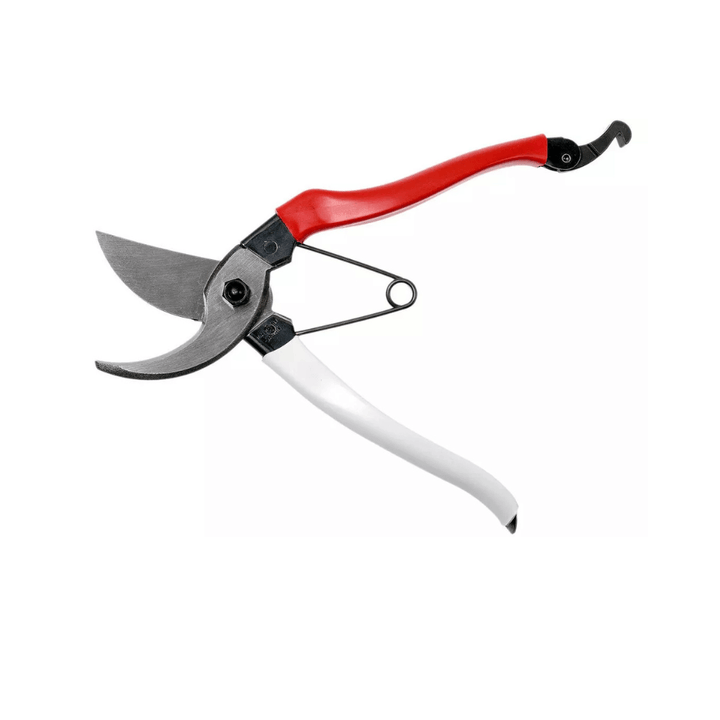
Bypass secateurs work like scissors, with two curved blades sliding past each other for a clean slice through living stems — the right choice for most pruning since it doesn't crush the tissue either side of the cut. Anvil secateurs close a single blade onto a flat plate instead, crushing rather than slicing, which suits dry or dead wood where a clean living cut doesn't matter. Nearly everything in this range, from Okatsune to Felco to STIHL, is bypass — reach for anvil only when you're specifically working deadwood.
Sizing Secateurs to Your Hand
A pair that's too large for your hand tires the grip fast and makes precise cuts harder to control; too small, and you lose the leverage to cut thicker stems cleanly. Felco's numbered range (F2, F6, F7, F8) spans different hand sizes and cutting capacities, while Okatsune's snips run smaller and lighter for detailed thinning work. Try to match the tool to your hand size first, then to the stem diameter you're cutting most often.
Left-Handed Options
Most secateurs are built right-handed by default, which puts a genuine strain on left-handed users forcing an unnatural grip through every cut. The Felco F9 is a true left-handed bypass secateur, mirroring the blade and handle geometry rather than just being usable with either hand — worth seeking out specifically if you're left-handed rather than making do with a standard pair.
STIHL ASA 20 Cordless Secateurs for High-Volume Pruning
For repeated pruning across a large area — orchards, hedging, or a full day of stem work — a cordless powered secateur like the STIHL ASA 20 cuts through material a manual pair would struggle with, without the hand fatigue of squeezing a spring-loaded handle hundreds of times. It's a different category of tool to a manual pair: worth the investment once volume of cuts, not occasional precision, is the priority.
Springs & Wear Parts
The return spring is usually the first part to fail on a well-used pair of secateurs, and a snapped spring can make an otherwise good tool unusable. Okatsune springs are sold separately and are simple to replace, meaning a pair with worn blades but a good edge doesn't need retiring just because the spring's gone.
Holsters: Keeping Secateurs to Hand
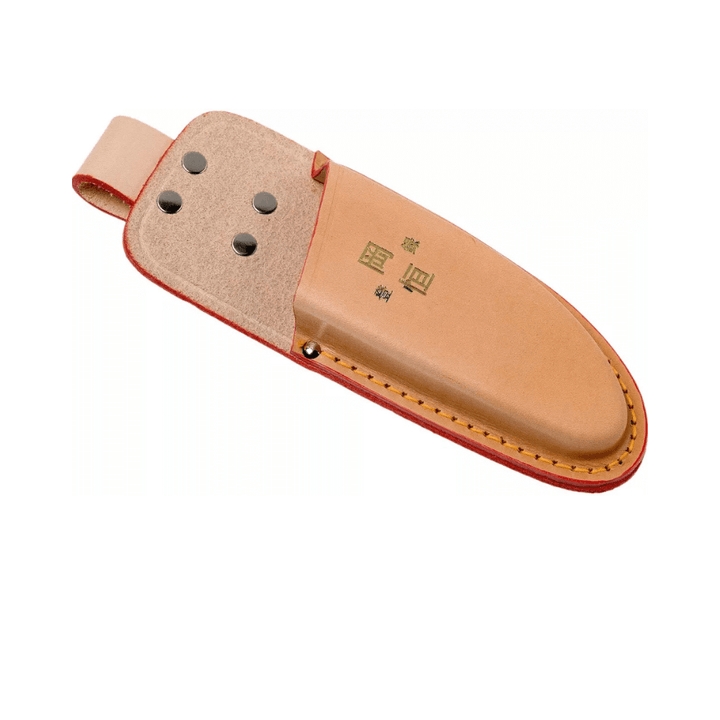
Secateurs left in a pocket get lost, damage the blade edge against other tools, or simply aren't there when you need them mid-job. A dedicated belt holster, sized to the specific model, keeps a pair within reach and the blade protected between cuts — check the holster is matched to your secateur model (Okatsune's KST101/103 and KST103/104 holsters aren't interchangeable with STIHL's PG range).
Blade Care & Sharpening
A dull blade crushes rather than slices, even on a bypass pair, and forces you to squeeze harder for a worse cut. A sharpening stone brings a secateur edge back quickly — our Sharpening Files & Stones range covers dedicated pruner and shear stones from Okatsune and STIHL. Wipe sap and resin off the blade after use too, since built-up residue slows the cut just as much as a blunt edge.