


Top Picks
Buyer's Guide
Tripod Ladder Buyer's Guide
A tripod ladder's independent third leg is what makes it work on the uneven ground a standard ladder can't handle. This guide covers choosing a height and style, setting up safely on a slope, and keeping the ladder in good repair with genuine Hendon spare parts.
Why a Tripod Ladder Instead of a Standard One
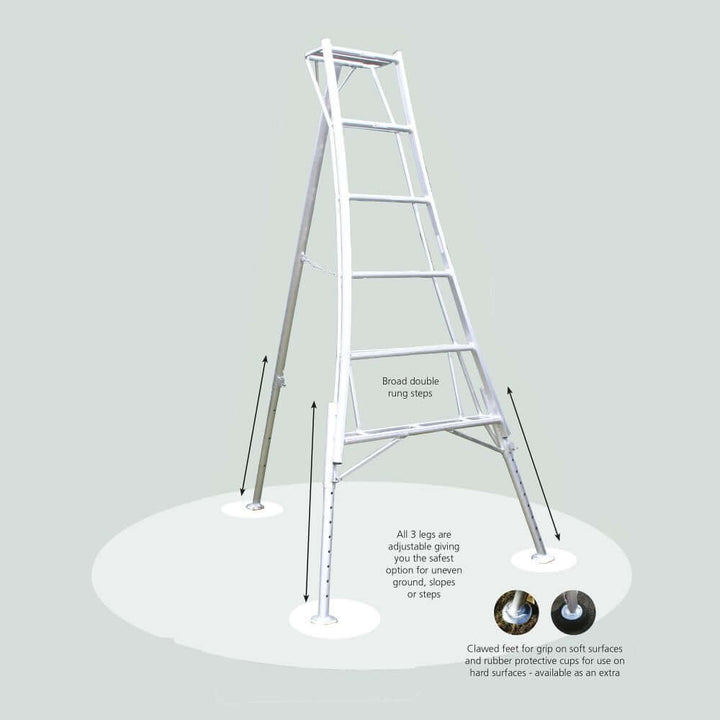
A standard two-legged ladder needs a flat, even surface to lean against safely, which a lawn, flower bed or the base of a tree rarely offers. A tripod ladder's third adjustable leg plants independently on uneven ground, letting you level the ladder itself rather than needing the ground to already be level. That third leg is also what lets you stand a tripod ladder freely among branches and foliage without leaning it against the tree at all.
Choosing a Height
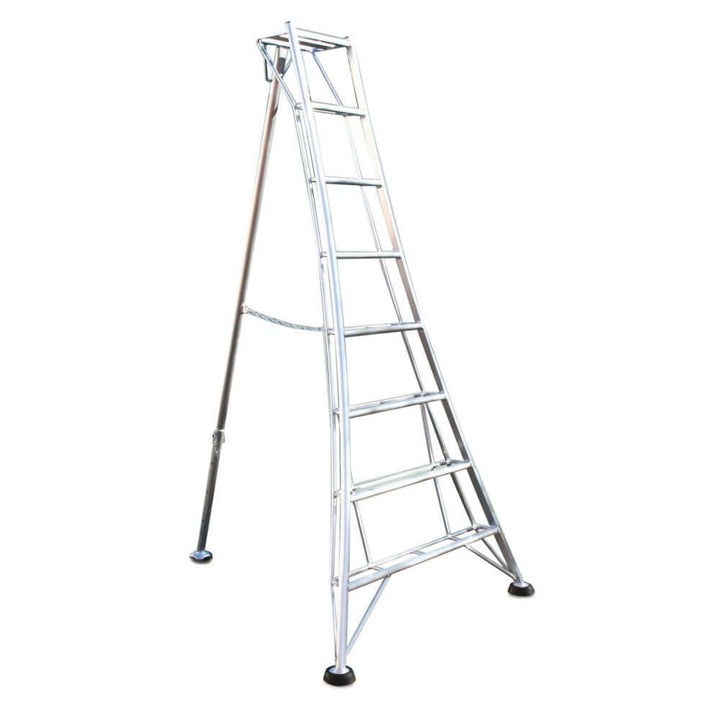
Hendon tripod ladders run from a 4ft standard model up to larger adjustable and platform versions for taller hedges and trees. Buy for the tallest job you regularly do rather than the average one — a ladder that's slightly taller than you need is safer and more versatile than constantly working at the very top of a ladder that's just barely tall enough.
Standard vs Adjustable vs Platform
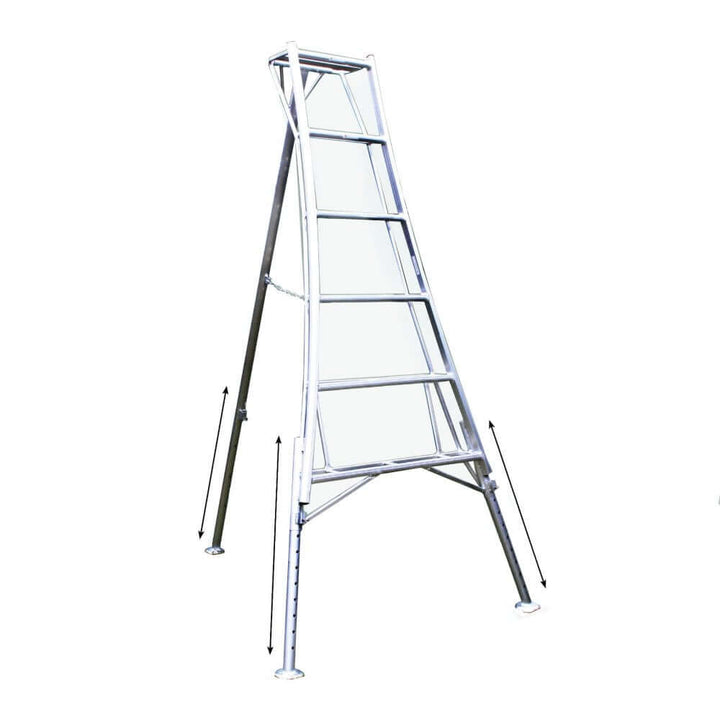
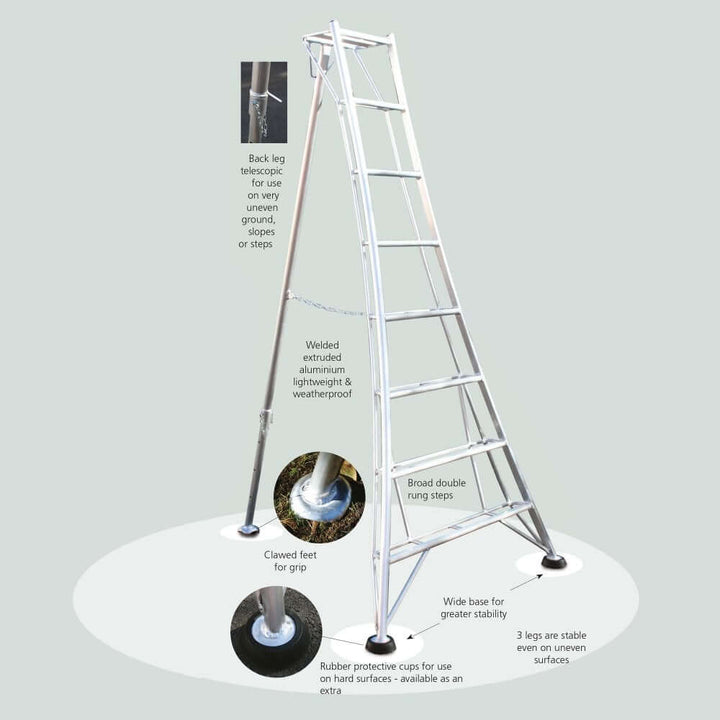
A standard tripod ladder has a fixed leg length, simplest to use but least adaptable to changing ground. A three-leg adjustable model lets you extend the rear leg independently to compensate for a slope or step, keeping the ladder level even when the ground isn't. A platform tripod ladder adds a flat standing area at the top, giving more secure footing and room to work with both hands rather than balancing on a rung.
Setting Up on Uneven Ground
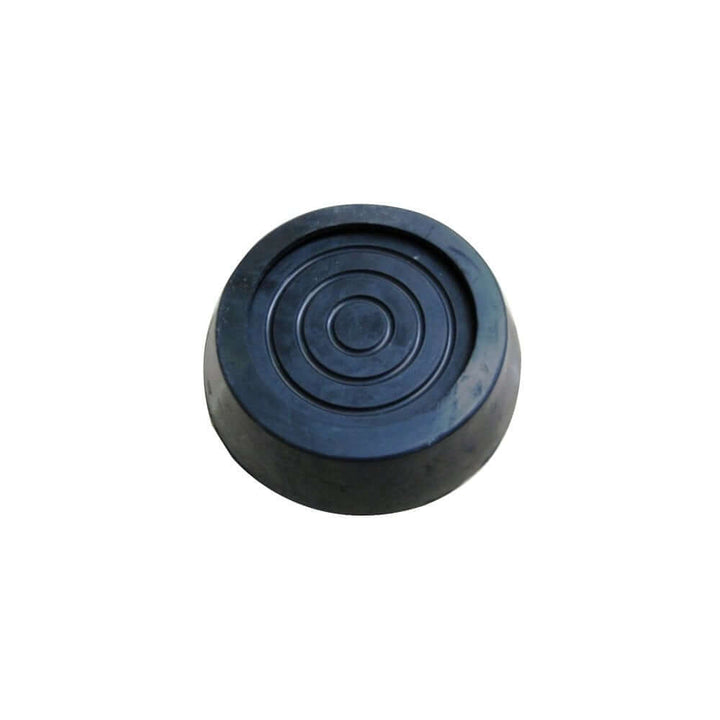
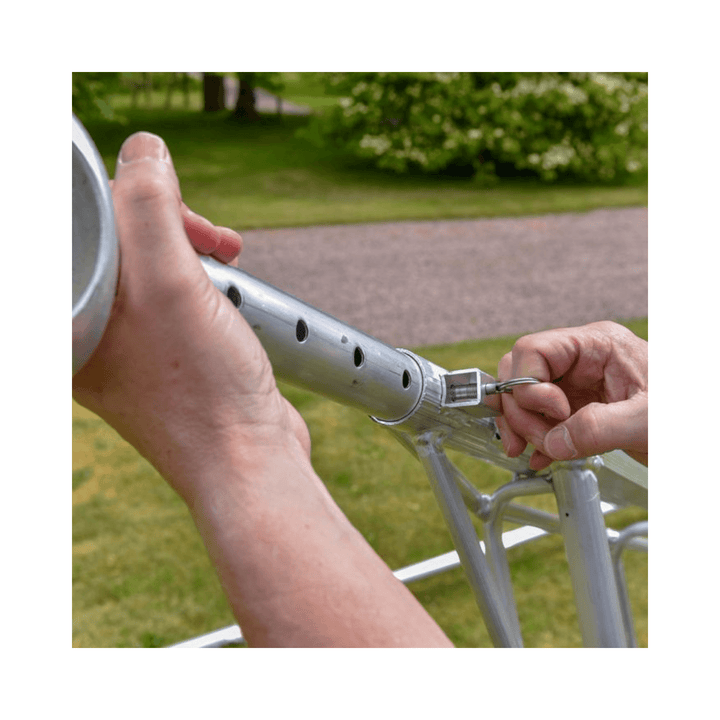
Extend the adjustable rear leg to compensate for a slope, and always test the ladder's stability by weighting it gently before committing your full weight partway up. Rubber feet grip better than bare metal on grass, decking or paving, and are worth checking for wear — a smooth or perished foot loses grip exactly when you need it most on damp ground.
Spare Parts: Legs, Pins & Springs
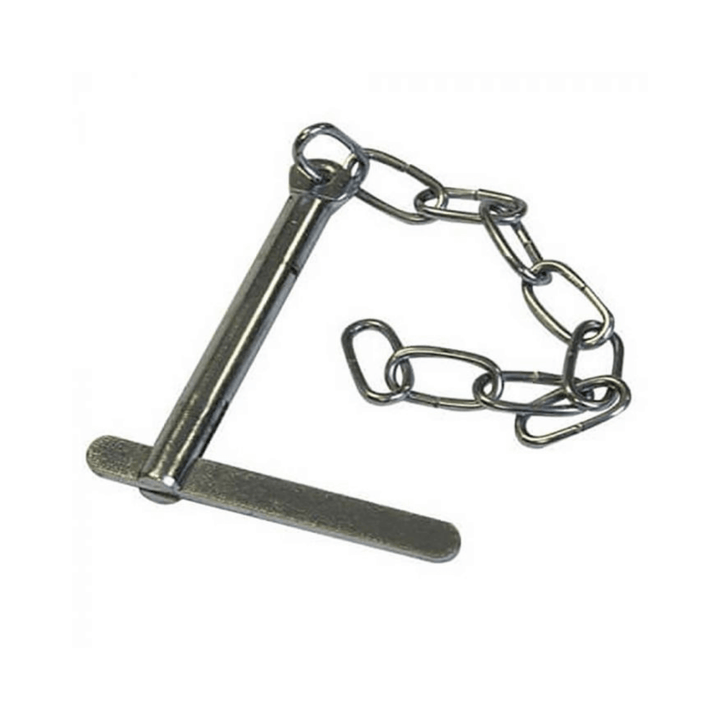
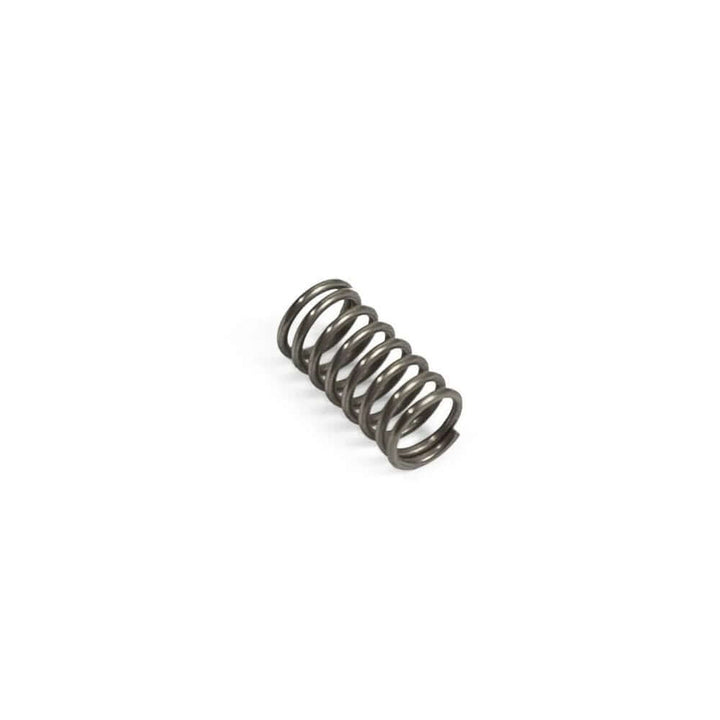
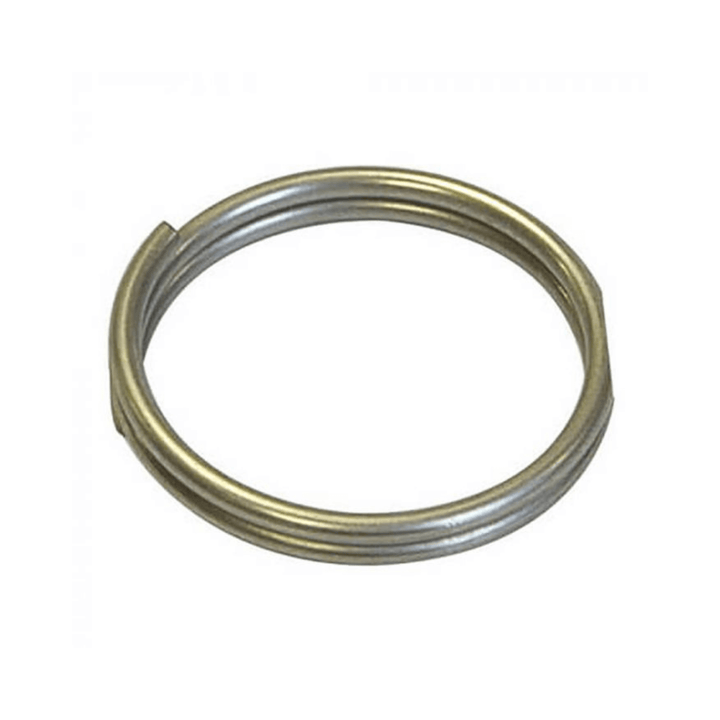
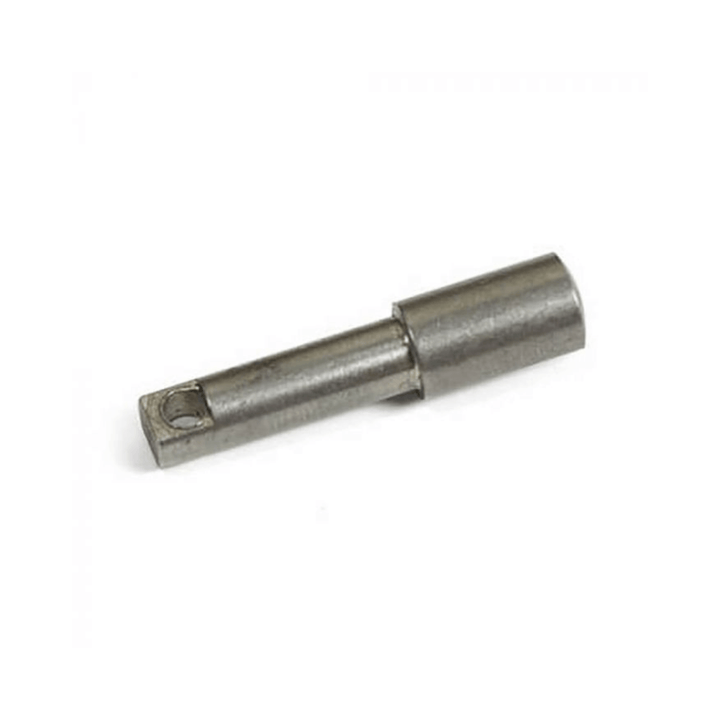
Hendon ladders are built to be repaired rather than replaced — rear and front legs, pins, rings and springs are all available separately for specific models (GMF, GWF, HPM, GTL). Check your ladder's model number before ordering a spare leg, since they're sized to the exact model and aren't interchangeable across the range.
Inspecting a Ladder Before Use
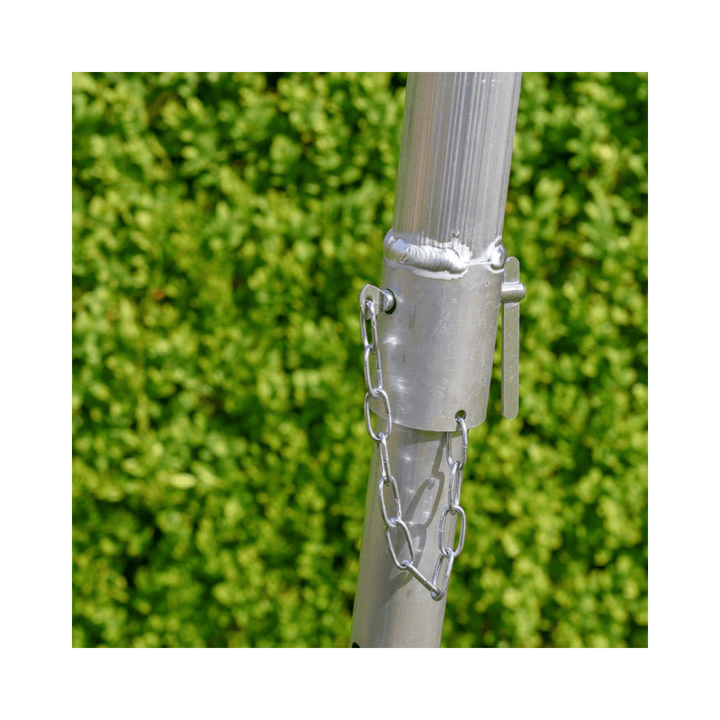
Check the locking pins and chains on the rear leg engage fully and hold under light pressure before climbing, and look over the frame for any bent or cracked sections that could fail under load. A tripod ladder that's been dropped or knocked over should be checked more carefully than one that's had a normal, gentle season of use — a hairline crack in a leg isn't always visible until it's under weight.
Storage & Care
Fold and store a tripod ladder somewhere dry between uses — aluminium doesn't rust, but pins, springs and rubber feet all last longer out of standing water or constant damp. Wipe down the legs after working in wet grass or mud, and check moving joints haven't seized before the next job; a stiff adjustment mechanism on an adjustable-leg model is far easier to fix at home than mid-job up a tree.