

Buyer's Guide
Sharpening Files & Stones Buyer's Guide
A saw's row of teeth and a secateur's single edge need different sharpening tools — a file for one, a stone for the other. This guide covers which to reach for, how often to sharpen, and keeping your files and stones in good working order.
Files for Saw Teeth, Stones for Single Blades
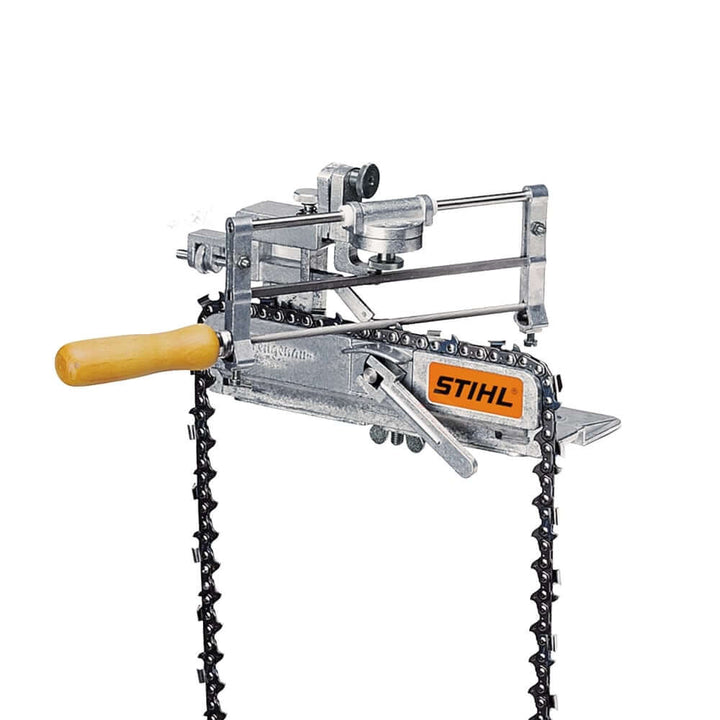
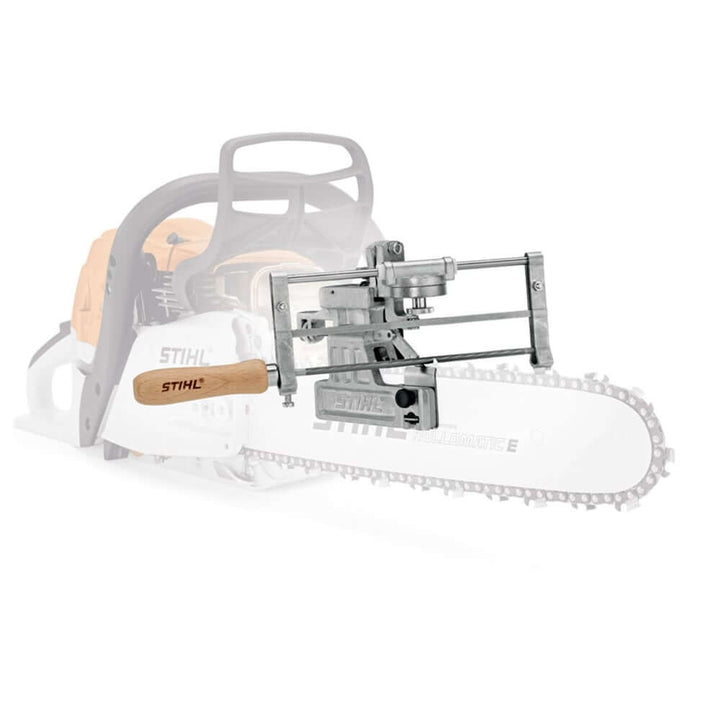
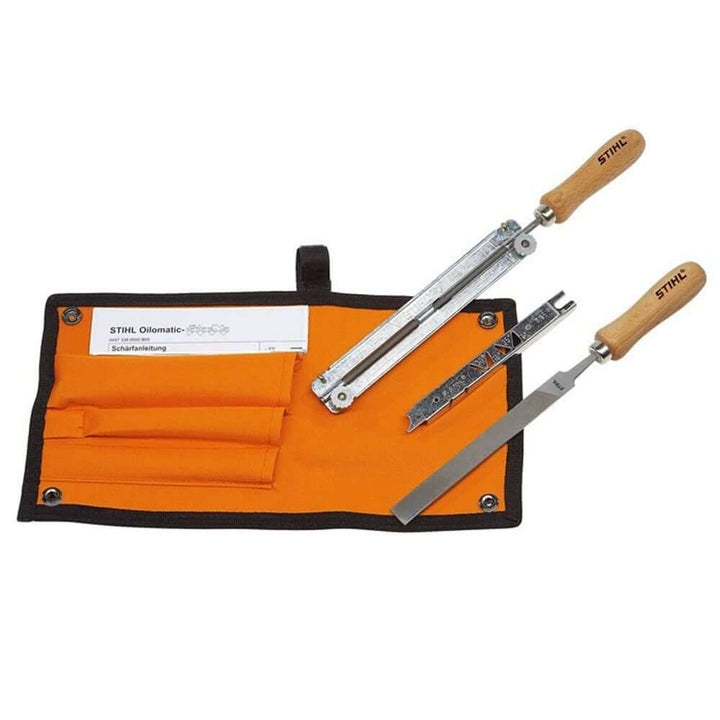
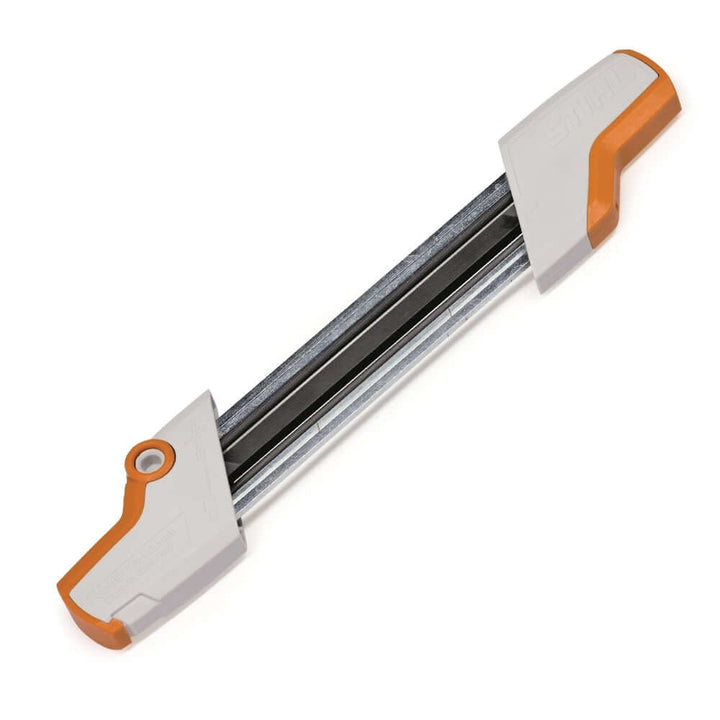
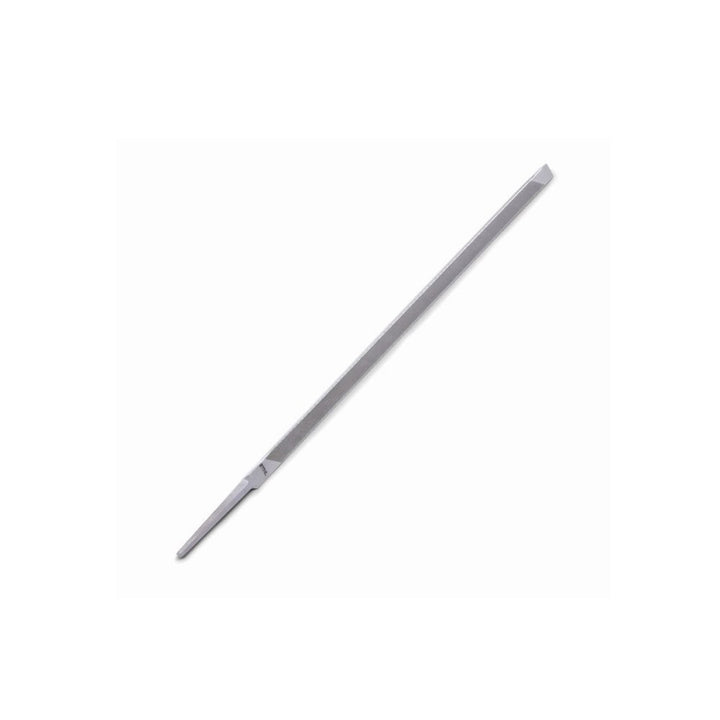
A saw blade has many small teeth that each need their set and angle restored individually, which is a file's job — a stone can't get into the tooth pattern the way a shaped file can. Secateurs, axes and other single-edge blades sharpen better on a stone, where you're maintaining one continuous edge rather than a row of teeth. Match the tool to the job: file for saws, stone for everything else.
The 3-in-1 Sharpening Tool
STIHL's 3-in-1 tool covers shears, secateurs and axes in one compact sharpener, useful if you'd rather carry one tool than a stone for each blade type. It won't match a dedicated stone for fine control on any single tool, but for a mixed kit carried on site it saves both space and the risk of leaving the right stone at home.
How Often to Sharpen
A blade used daily benefits from a quick touch-up every few sessions rather than waiting until it's visibly struggling to cut — a light, frequent sharpen keeps less metal removed overall than one heavy session on a badly dulled edge. If a saw is tearing rather than slicing, or secateurs are crushing rather than snipping cleanly, that's the signal it's overdue, whatever your usual schedule says.
Keeping Files & Stones in Good Condition
A file clogged with metal filings cuts less effectively and needs cleaning with a file card or stiff brush to keep working properly. Stones should be wiped clean after use and stored dry — a stone left wet or gritty from the last sharpening session won't give as clean a result on the next one.
Complete Your Kit