


Top Picks
Buyer's Guide
Friction Cords, Prusik Cords & Arborist Slings Buyer's Guide
From friction hitch cords for Distel and VT Prusik setups to hitch climber kits, mechanical Prusik devices, eye-to-eye loops and arborist slings, this guide covers the full range at Gustharts — helping arborists choose the right cord diameter, construction and setup for consistent, safe hitch performance on 11mm to 13mm climbing lines.
What is a Friction Hitch Cord?
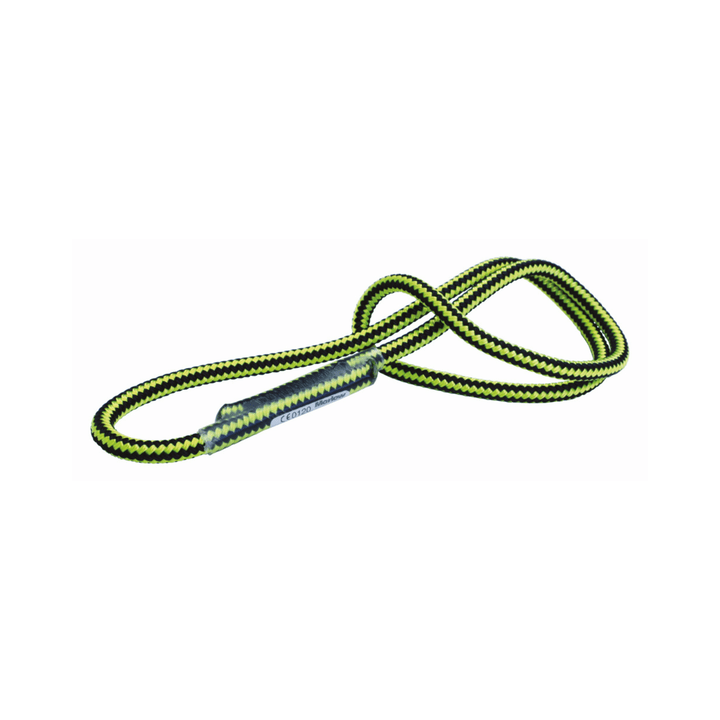
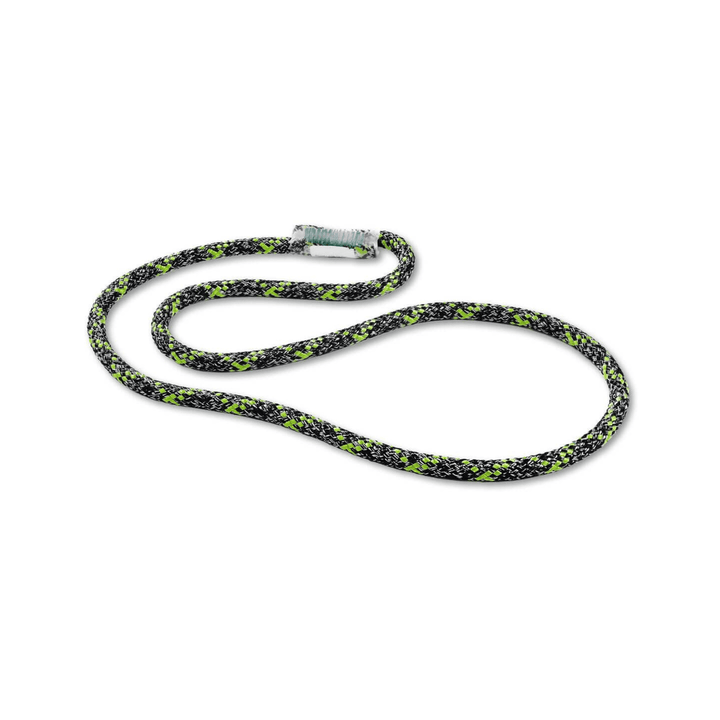
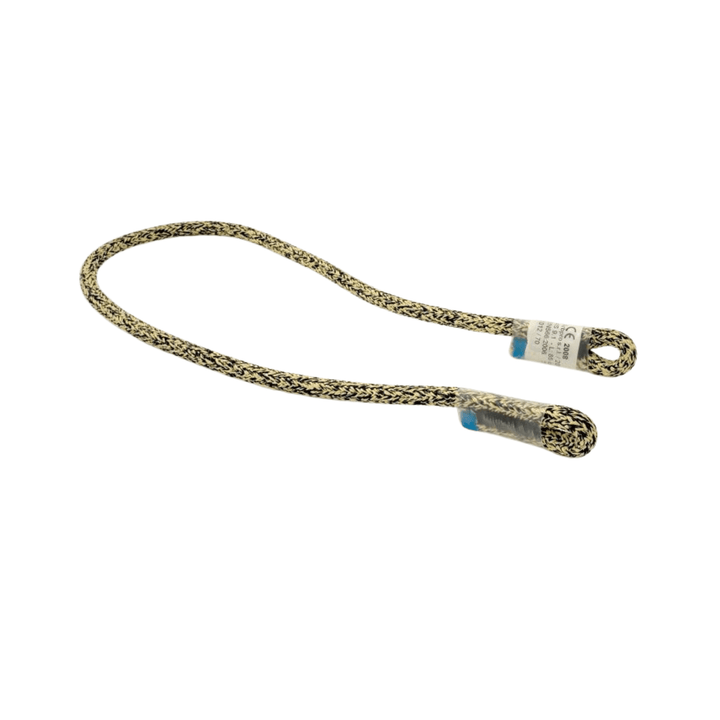
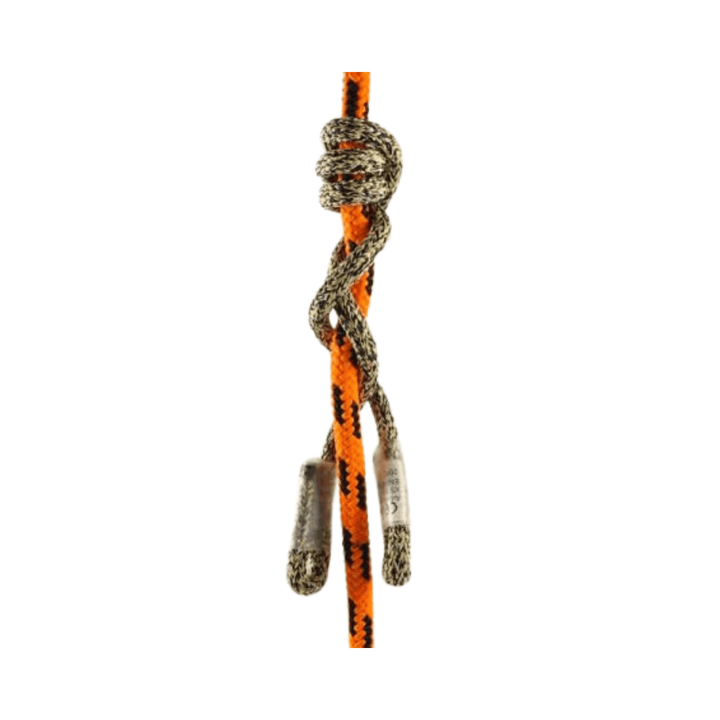
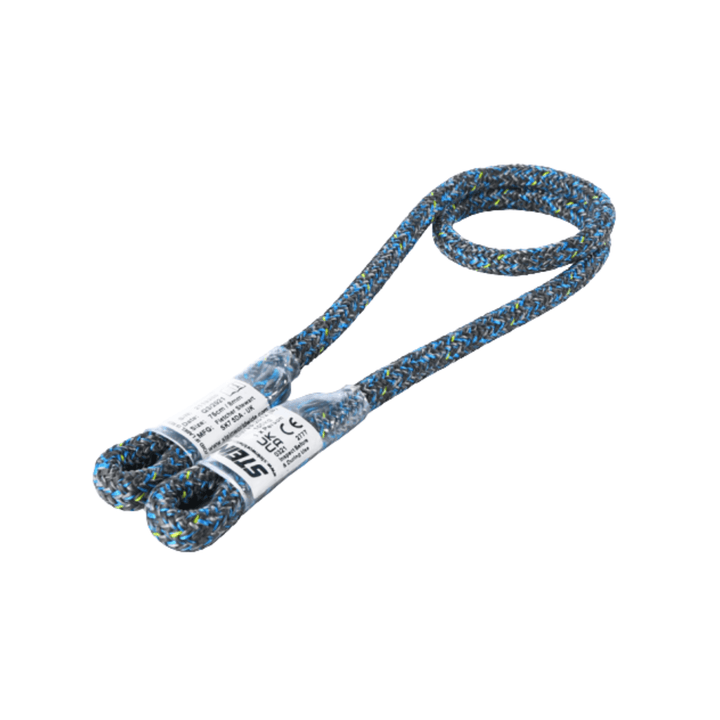
A friction hitch cord is a short loop of accessory cord tied around the climbing rope to create a friction hitch - a knot that grips the rope under load and releases when the climber moves their weight off it. Common friction hitches used by arborists include the Distel, VT Prusik, Klemheist and Machard. The cord is knotted into an eye-to-eye loop and the hitch tied around the climbing line. Friction hitch cords are available pre-made as eye-to-eye loops or as cord sold per metre for the arborist to tie to their preferred length.
Friction Cord Diameters and Construction
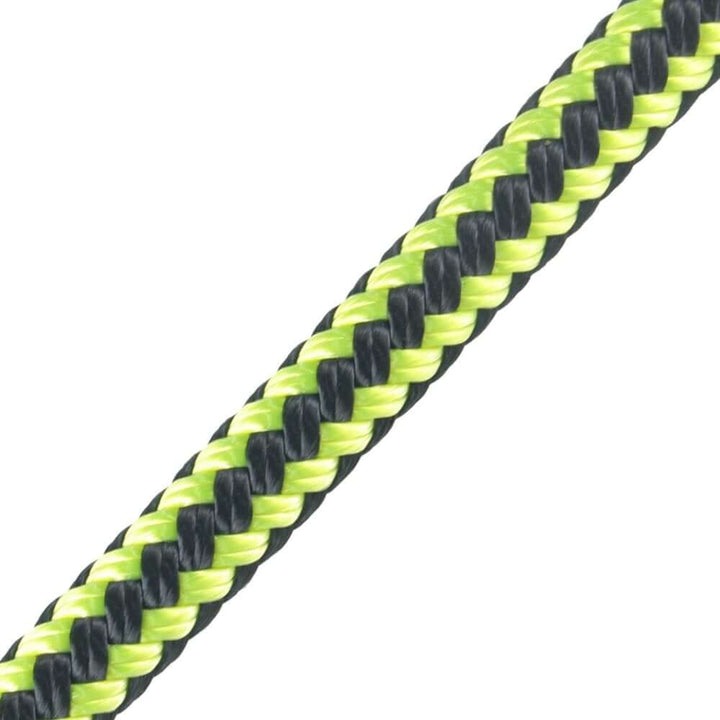
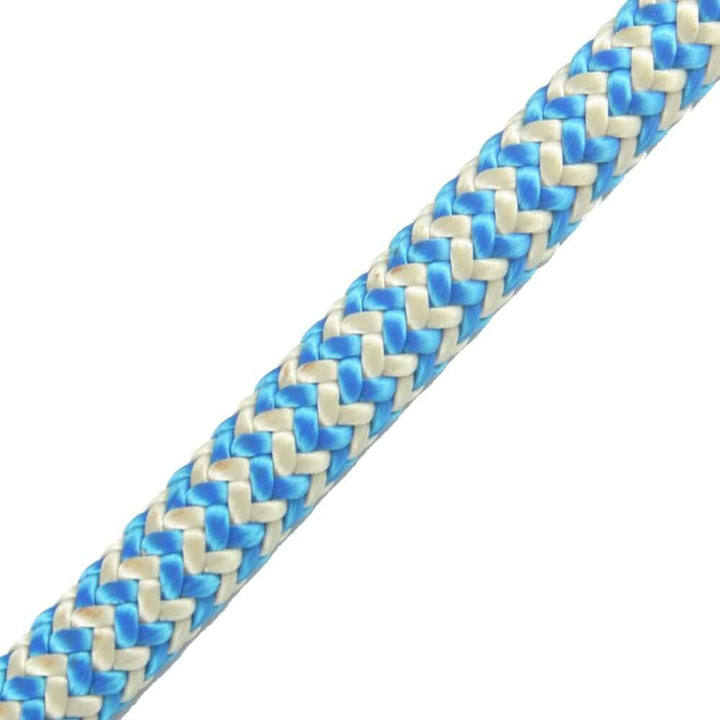
Friction cord diameter must be chosen relative to the climbing rope diameter - typically 60-75% of the rope diameter for correct hitch performance. On an 11.7mm SRT rope, a 7-8mm hitch cord is standard. Common diameters at Gustharts are 6mm, 7mm and 8mm. Construction affects hitch behaviour: 16-strand hollow braid provides smooth, consistent grip; heat-resistant blended cords (Samson Arbor-Plex, Teufelberger hitch cord) handle high-cycle descents better than standard nylon. For mechanical hitch climber setups, compatibility is specified by the device manufacturer.
Hitch Climber Setups
A hitch climber setup uses a friction hitch cord and a hitch climber pulley together - the pulley is attached to the saddle and the hitch cord runs through it, allowing the friction hitch to be pulled upward automatically with each movement without needing to be pushed by hand. A hitch climber kit typically includes a compatible friction hitch cord eye-to-eye loop and a matching pulley. The DMM Hitch Climber pulley and matching cord sets are the most widely specified hitch climber components at Gustharts, compatible with 11mm and 13mm climbing ropes.
Mechanical Prusik Devices
A mechanical Prusik - also called a mechanical hitch climber or rope grab - uses a cam or jaw mechanism rather than a knotted cord to grip the climbing rope. Mechanical Prusiks grip more consistently than hand-tied hitches and release more smoothly under load, making them popular for high-cycle professional use. Key mechanical Prusik devices at Gustharts include the DMM Hitch Climber (a cam-based device that replaces the cord hitch in a hitch climber setup) and Petzl mechanical Prusik options. All must be verified as compatible with the climbing rope diameter in use.
Eye-to-Eye Prusik Loops vs Cord Per Metre
Eye-to-eye Prusik loops are pre-spliced or sewn cord loops in standard lengths, ready to tie a friction hitch immediately. They are the most convenient option for professional arborists who want consistent, repeatable hitch length without tying knots. Friction cord sold per metre allows the arborist to cut and tie their own loop to a custom length - preferred by climbers who have specific length requirements for their preferred hitch or setup. Gustharts stocks both options from Samson, Teufelberger, Marlow and STEIN.
Arborist Slings
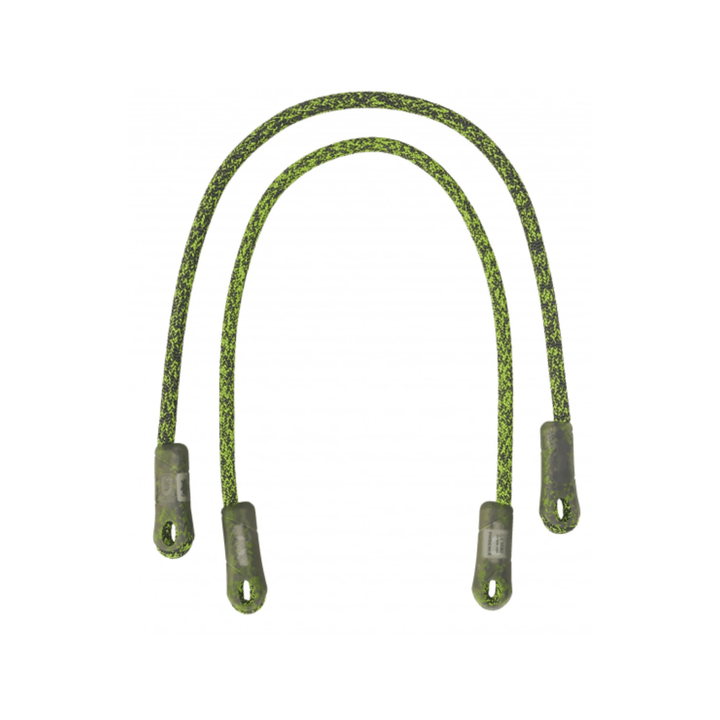
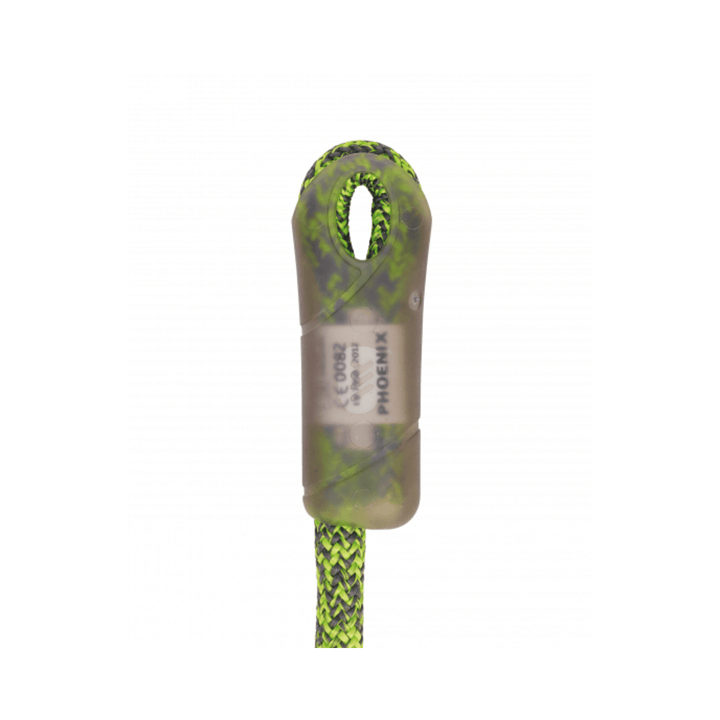
Arborist slings are short loops of sewn textile used for anchor building, redirects, rigging attachment and equipment organisation. Dyneema slings are extremely lightweight and strong for their diameter - used where weight and bulk are critical. Nylon slings are heavier but more elastic, absorbing shock loads better in dynamic applications. Sewn eye-to-eye slings in fixed lengths (60cm, 120cm, 240cm) are the most common format for arborist use. All slings at Gustharts carry EN 566 certification for textile slings or EN 354 for lanyards where applicable.
Friction Cord Care and Retirement
Inspect friction hitch cords before each use for heat glazing (shiny, stiff sections from friction heat), core damage under the sheath, abrasion, discolouration and stitching failure on pre-made loops. Heat glazing reduces grip significantly and is a sign the cord is approaching the end of its safe working life. Replace any cord showing glazing, core exposure or sheath damage immediately. In high-cycle professional use, Prusik cords should be retired on a time-based schedule even without visible damage - most manufacturers recommend retirement within 1-3 years depending on use intensity.
Pairs Well With
- Arborist Pulleys — hitch climber pulleys and progress capture devices
- Friction Cord Per Metre — Marlow and Teufelberger hitch cord by the metre
- Tree Climbing Ropes — SRT and DRT lines compatible with friction hitches
- Carabiners & Connectors — certified connectors for hitch climber setups
- SRT Equipment — Rope Wrench, Petzl Zigzag and mechanical devices