

Buyer's Guide
Felling Levers & Felling Bars Buyer's Guide
Nudging a tree's fall direction or rolling a felled log by hand risks a miscalculated lean or a strained back — a felling lever or felling bar gives that mechanical advantage instead. Compact levers suit smaller diameter trees and quick directional guidance, while heavy-duty bars handle the leverage needed on larger timber. This range covers both from STIHL and Oregon, sized to the job.
STIHL Tree Felling Levers
STIHL's Tree Felling Lever comes in 76cm and 130cm lengths, giving a straightforward tool for nudging a stem's fall direction or lifting a log clear of the ground. The shorter 76cm suits tighter working spaces and smaller diameter timber, while the 130cm gives more leverage on larger stems where extra length translates directly into more turning force.
Breaking Bar with Cant Hook
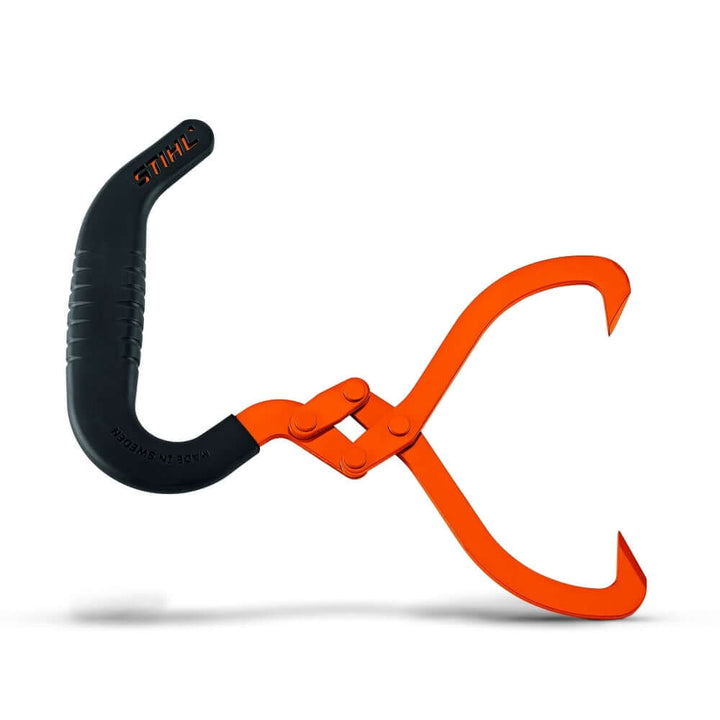
The Breaking Bar with Cant Hook (80cm) adds a hinged hook to a standard bar, letting you grip and roll a log rather than just lever against it. It's the better choice when the job is turning or positioning a felled log on the ground rather than guiding a standing tree's fall.
Oregon Heavy Duty Felling Lever
Oregon's Heavy Duty Tree Felling Lever (80cm) is built for sustained use on larger timber, with a heavier-gauge shaft that holds up to repeated hard use better than a lighter bar. It sits between the STIHL 76cm and 130cm on length, giving a middle-ground option for crews who want extra strength without the full 130cm reach.
Choosing Lever Length & When to Use a Cant Hook
Longer levers give more mechanical advantage but are harder to manoeuvre in tight spaces — match length to your typical stem diameter and working environment rather than always reaching for the longest bar available. Reach for a cant hook specifically when you need to roll or reposition a log, not just guide a fall; the hook adds grip a plain bar can't provide.
Pairs Well With
Complete Your Kit